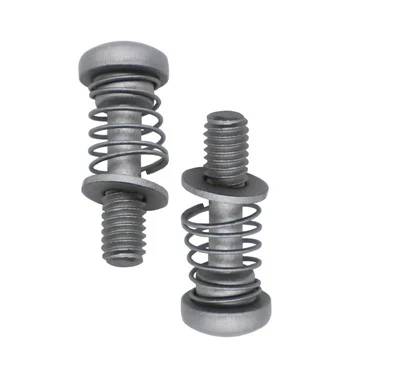
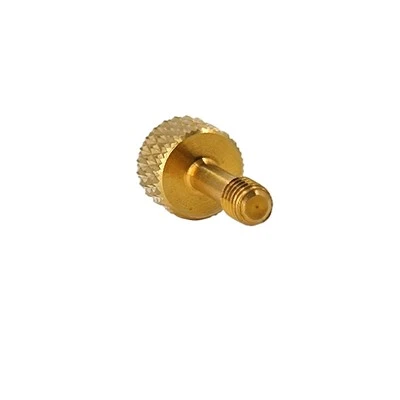
In the fastener industry-as well as in mechanical manufacturing, electronics, and construction-screws are among the most commonly used and essential fastening components. Although screws appear simple in structure, different types vary significantly in size, thread type, material, and strength.
When purchasing screws or examining fastener packaging, people often notice a series of specifications on the label, such as "M4×20," "Stainless Steel," or "8.8 Grade." These details are part of what is known as a screw label, which provides key information about the screw's specifications and technical characteristics.
This article explains what a screw label is, what information it typically includes, why it is important, and how to read screw labels correctly so users can choose and use fasteners more accurately.
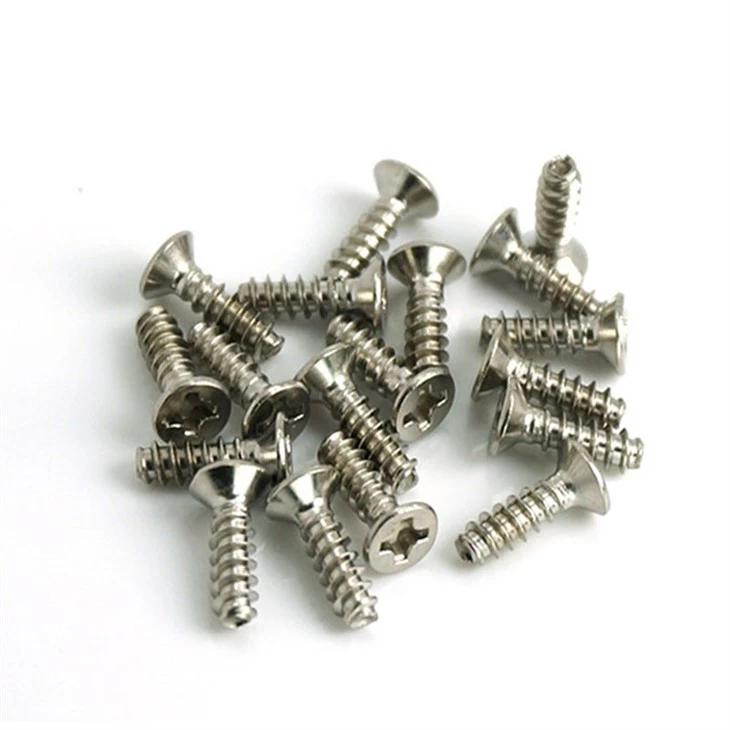
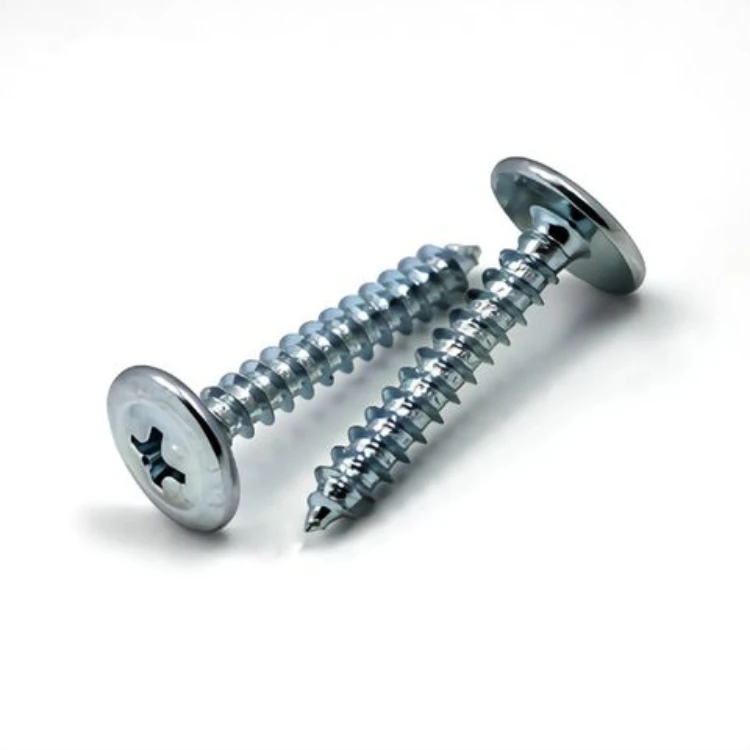
What Is a Screw Label?
A screw label refers to the label attached to screw packaging, storage bins, sorting boxes, or inventory systems that provides specification and product information about the screws.
In industrial manufacturing and equipment assembly, companies often use large quantities of fasteners in many different sizes and specifications. Without clear labeling, it becomes difficult for workers to quickly identify each type of screw, which may lead to assembly mistakes or reduced production efficiency.
For this reason, a screw label is more than just a simple sticker-it is part of a fastener identification system. Standardized labeling allows users to quickly identify a screw's size, material, and thread specification, ensuring the correct fastener is used during installation.
What Information Does a Screw Label Include?
A standard screw label usually contains several important pieces of information that help users accurately identify the screw's specifications and performance characteristics. Although label formats may vary between manufacturers, most screw labels include the following key parameters.
Screw Size Information
The size is one of the most important details on a screw label. Screw size usually consists of two parts: diameter and length.
The diameter determines the size of the hole the screw can fit into, while the length determines how many layers of material the screw can pass through and how securely it can fasten components together. If the size is incorrect, the screw may not fit properly or may fail to provide adequate fastening strength. Therefore, size information is one of the most critical elements on a screw label.
Thread Type Information
Threads are one of the most important structural features of a screw. Different countries and industries may use different thread standards, so screw labels typically indicate the thread type to ensure proper compatibility.
Common thread standards include:
Metric threads, such as M3, M4, M5, etc.
Imperial threads, such as UNC or UNF
Material Information
Screws can be made from various materials, and the material directly affects their strength, corrosion resistance, and suitable application environments. Screw labels usually indicate the material used, such as:
Stainless Steel
Carbon Steel
Aluminum
Brass
Surface Finish Information
To improve corrosion resistance and appearance, many screws undergo surface finishing processes. Screw labels often specify these treatments, including:
Zinc Plated
Nickel Plated
Black Oxide
Anodized
Strength Grade Information
In mechanical equipment and construction structures, the strength grade of a screw is extremely important. This rating usually indicates the screw's tensile strength and load-bearing capacity.
Common strength grades include:
Grade 4.8
Grade 8.8
Grade 10.9
Grade 12.9
Conclusion
A screw label is an essential part of fastener products. It helps users quickly identify key information such as screw size, material, thread type, and strength grade. By understanding how to read these labels correctly, users can select the appropriate screws more accurately, improve assembly efficiency, and reduce installation errors.