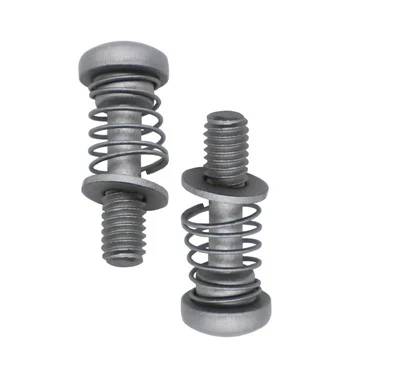
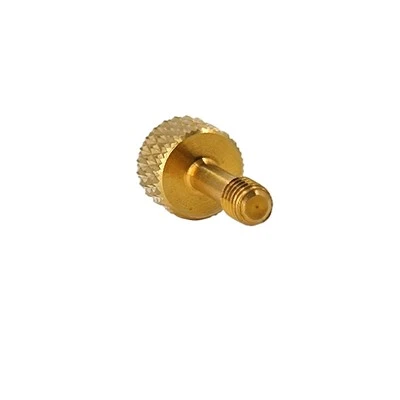
Choosing the right tapping screw is about more than matching a screw to a hole. Different tapping screw types are designed to interact with materials in different ways, which affects installation torque, thread engagement, holding strength, and long-term reliability.
For engineers and purchasing teams, the key questions are usually: Should I use a thread-forming or thread-cutting screw? Is a self-drilling screw more suitable? What type works best for metal or plastic? And when is a custom tapping screw necessary?
This guide explains the major tapping screw types and provides a practical selection process for industrial, automotive, electronics, and general manufacturing applications.

What Are the Main Types of Tapping Screws?
The main types can be distinguished by how they create the mating thread. Thread-forming screws displace material, while thread-cutting screws remove material. Self-drilling screws add a drilling function to the fastening process. Different materials require different screw geometries for reliable connections.
| Tapping Screw Type | How It Works | Typical Applications |
|---|---|---|
| Thread-Forming | Displaces material to form threads | Plastics, softer materials |
| Thread-Cutting | Cuts material to create threads | Metals, harder materials |
| Self-Drilling | Drills and forms threads during installation | Sheet metal, industrial assemblies |
Understanding this basic distinction makes it much easier to choose the right screw for a specific application.
Thread-Forming Tapping Screws
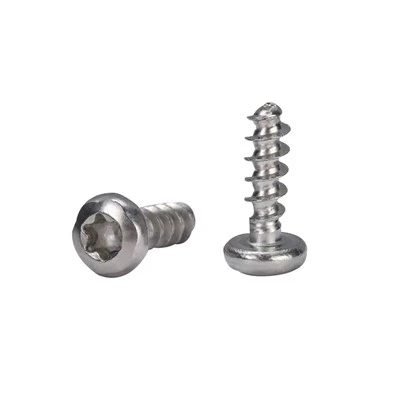
Thread-forming screws create a mating thread by displacing and reshaping the surrounding material instead of cutting it away. This makes them particularly useful for certain plastic components and softer materials.
For plastic applications, however, the material itself must be considered carefully. Thermoplastics and thermosets behave differently during fastening, so the same screw design should not automatically be used for both. Bossard notes that thread-forming screws are generally suited to thermoplastics, while thread-cutting designs can be appropriate for thermoset materials.
A suitable thread-forming screw can provide strong engagement with relatively low material waste. An unsuitable design, however, may create excessive internal stress and cause cracking or deformation.
Thread-Cutting Tapping Screws
Thread-cutting screws use a cutting edge or specialized geometry to remove material and create the internal thread as the screw is installed.
They are commonly considered for harder materials and metal components where controlled material removal is preferable to material displacement. Their design can help manage installation torque while creating a defined mating thread.
The important point is that thread-cutting screws should not simply be selected because the material is "hard." Material hardness, thickness, pilot-hole design, installation torque, and required holding strength should all be evaluated together.
Self-Drilling Screws vs. Tapping Screws
A common purchasing mistake is treating self-drilling screws and tapping screws as the same product.
A tapping screw primarily creates the mating thread. Depending on its design, it may require a prepared pilot hole. A self-drilling screw has a drill-like point that can drill suitable metal materials before forming the thread, combining drilling and fastening into one operation.
Therefore, choose self-drilling screws when eliminating a separate drilling operation is valuable; choose a conventional tapping screw when the hole is already prepared or the application requires a different thread-forming method.
How to Choose the Right Tapping Screw for Your Application
Start With the Base Material
Material should be the first consideration. For metal applications, evaluate hardness, thickness, and whether thread cutting or forming provides better performance. For plastic applications, consider the polymer type, wall thickness, hardness, and resistance to cracking.
Do not assume that one tapping screw works for every plastic or metal. The screw geometry needs to match how the material responds during installation.
Match the Screw Size and Thread Design
Diameter, length, and thread pitch directly affect fastening performance. A diameter that is too small may provide insufficient engagement, while an oversized screw can increase installation torque and material stress.
Length is equally important. The screw should provide sufficient thread engagement without penetrating internal components or creating interference. Thread pitch and profile should also be selected according to the material and required holding force.
Consider the Head, Drive, and Environment
Head styles such as pan, flat, and truss heads should match the available installation space and required bearing surface. The drive type should also suit the assembly tools and desired torque control.
Finally, consider the operating environment. Carbon steel may provide an economical solution for general applications, while stainless steel or an appropriate surface treatment may be preferable where moisture or corrosion is a concern.
When Should You Choose Custom Tapping Screws?
Standard tapping screws are suitable for many applications, but custom self-tapping screws become valuable when standard dimensions or designs cannot meet the requirements.
Customization may involve the screw diameter, length, thread profile, head style, drive, material, tolerance, or surface finish. For products with restricted installation space, unusual materials, high-volume automated assembly, or demanding dimensional requirements, a custom design can improve the overall fastening process rather than simply changing the screw's appearance.
For OEM projects, working with an experienced custom tapping screw manufacturer can also allow the screw design to be evaluated alongside the actual material and assembly conditions.
Practical Tapping Screw Selection Checklist
Before requesting a quotation, prepare:
| Requirement | What to Confirm |
|---|---|
| Material | Metal, plastic, sheet metal, etc. |
| Screw type | Thread-forming, thread-cutting, or self-drilling |
| Size | Diameter and length |
| Thread | Pitch and profile |
| Head | Pan, flat, truss, or custom |
| Drive | Phillips, Torx, hexalobular, etc. |
| Material | Carbon steel, stainless steel, brass, etc. |
| Finish | Zinc, nickel, black oxide, passivation, etc. |
| Application | Indoor, outdoor, automotive, electronics, machinery |
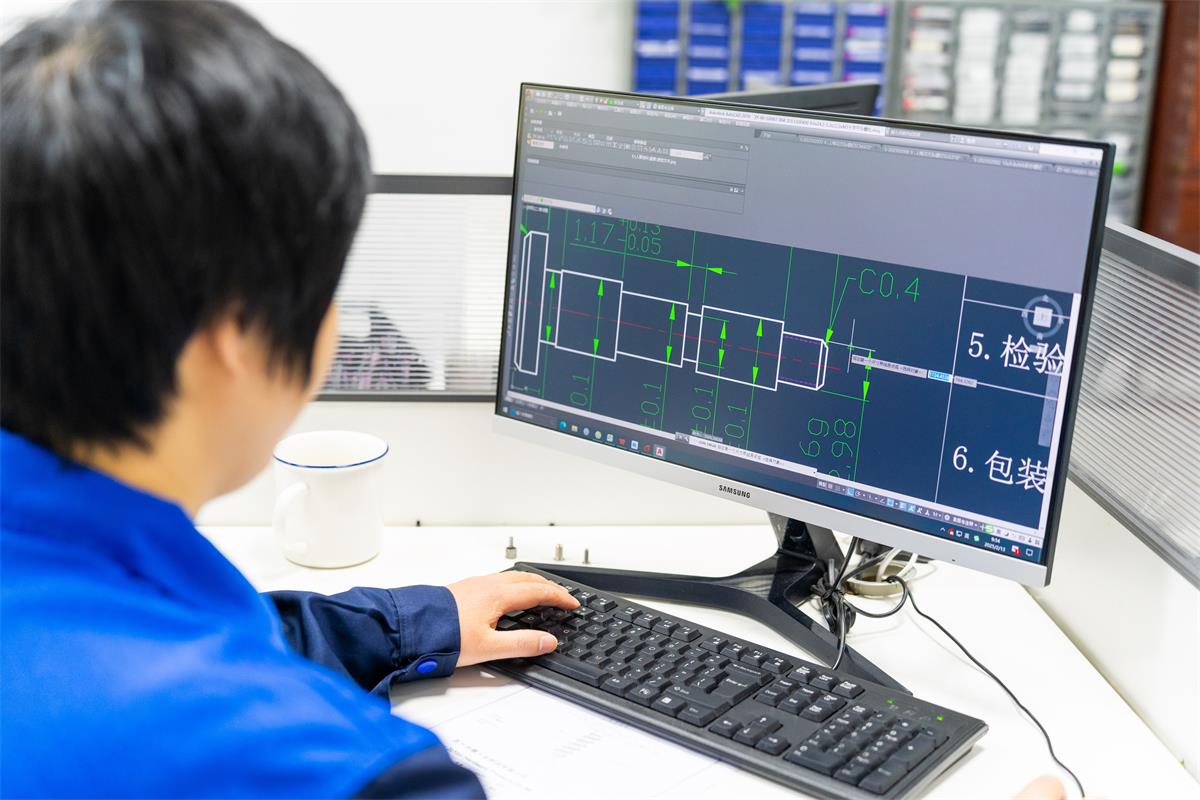
If possible, provide the manufacturer with a technical drawing, sample, base-material specification, and expected annual quantity. These details make it easier to recommend an appropriate tapping screw and provide an accurate quotation.
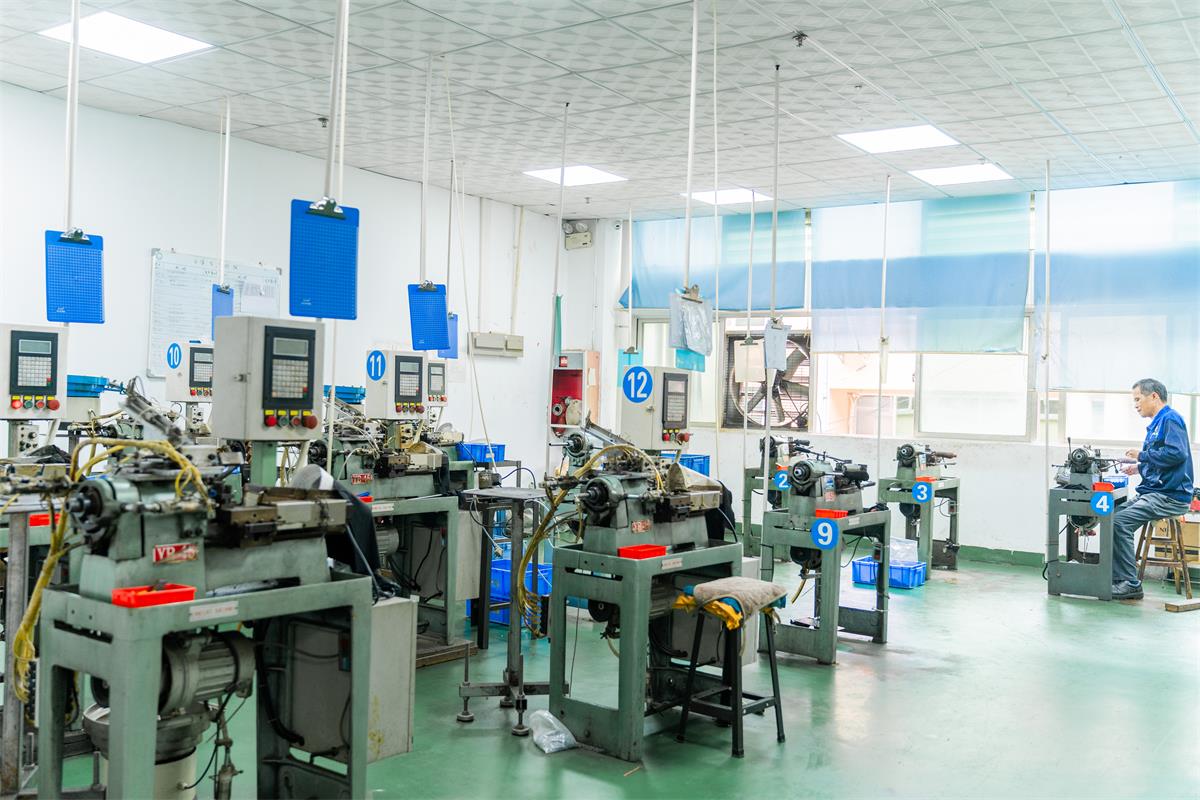
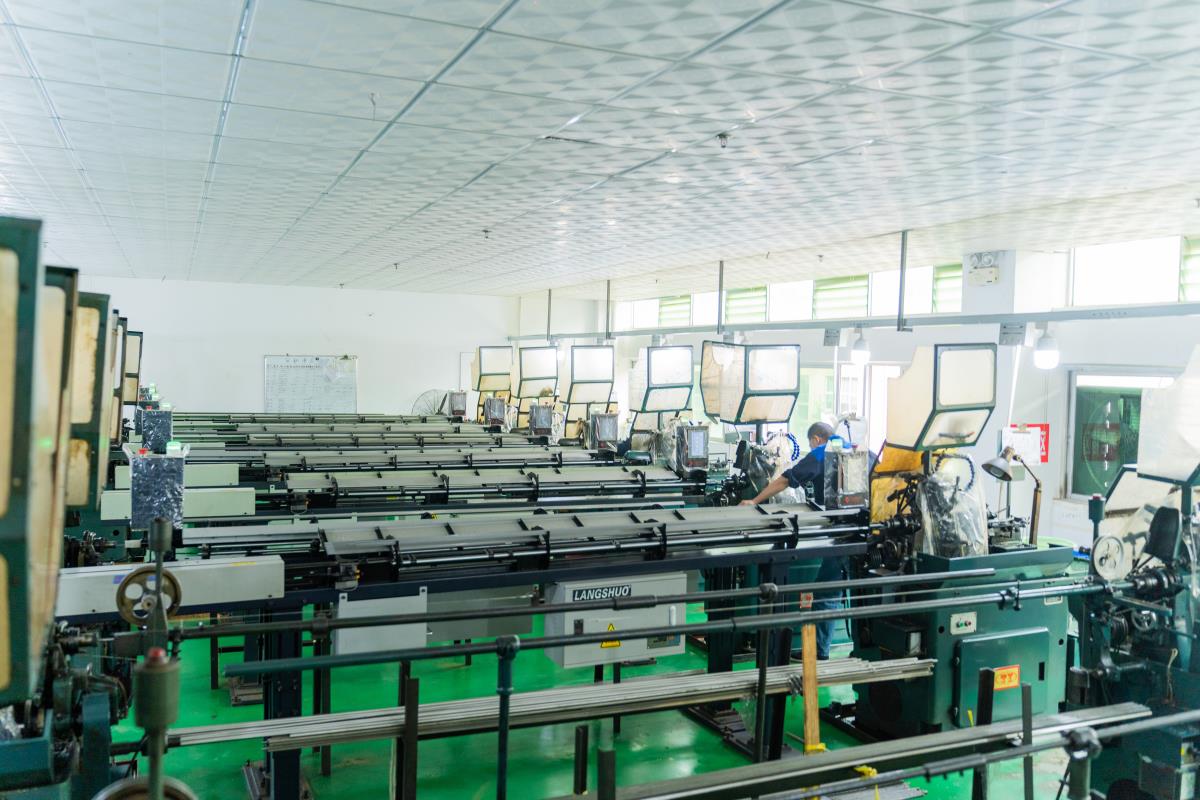
custom fastener manufacturer with over 20 years of experience.
Conclusion
The best tapping screw type is determined by the complete fastening system-not simply by screw size. Start with the base material, then consider the thread-forming method, dimensions, installation requirements, environment, and production volume.
For demanding applications, testing the selected screw in the actual material is one of the most practical ways to confirm installation torque, thread engagement, and holding performance before mass production.
FAQ
Q: What are the main types of tapping screws?
A: The major categories include thread-forming and thread-cutting screws. Self-drilling screws are a related direct-assembly solution that combines drilling and thread creation.
Q: What type of tapping screw is best for plastic?
A: It depends on the plastic. Thread-forming screws are commonly used with thermoplastics, while certain thread-cutting designs may be better suited to thermoset materials. The exact resin, wall thickness, and assembly requirements should be evaluated.
Q: What type of tapping screw is best for metal?
A: There is no universal answer. The choice depends on metal hardness, thickness, hole preparation, installation torque, and required thread strength.
Q: What is the difference between thread-forming and thread-cutting screws?
A: Thread-forming screws displace material to create the thread, while thread-cutting screws remove material through cutting edges. This difference affects installation torque, material stress, and fastening performance.
Q: Do tapping screws need a pilot hole?
A: Many tapping screw applications use a prepared pilot hole, but requirements depend on the screw design and material. The correct hole size should be confirmed through the manufacturer's engineering recommendations or application testing.
Q: Can tapping screws be customized?
A: Yes. A custom tapping screw manufacturer can customize dimensions, thread geometry, head style, material, drive type, and surface treatment according to drawings, samples, and application requirements.