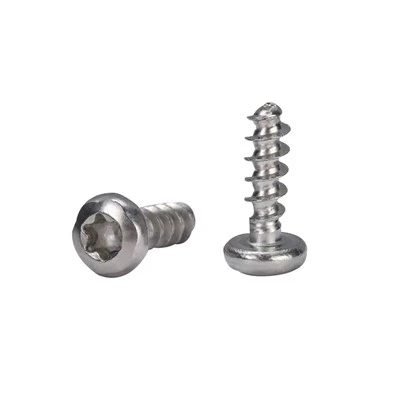
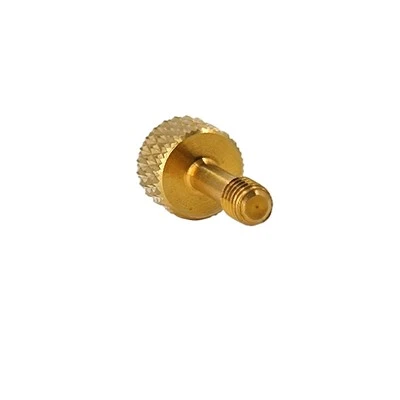
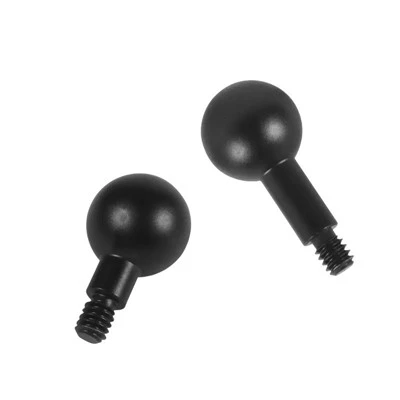
A tapping screw is a fastener designed to create its own mating thread as it is driven into a material. Because it can form or cut threads during installation, it can simplify assembly and reduce the need for separately tapping an internal thread. Tapping screws are widely used in metal components, plastic housings, electronics, automotive parts, machinery, and other industrial applications.
However, choosing a self-tapping screw is not simply a matter of selecting the right diameter and length. The screw's thread design, material, head style, surface treatment, and the material being fastened all affect installation torque, holding strength, durability, and long-term reliability. This guide explains how tapping screws work, how different types compare, and what to consider when selecting the right solution for your application.

What Is a Tapping Screw?
A tapping screw is a screw that creates a mating thread in the material as it is installed. Depending on its design, it may cut material away to create the thread or displace material to form it. This allows manufacturers to create a secure threaded connection without using a conventional pre-threaded hole.
The term self-tapping screw is often used interchangeably with tapping screw in commercial applications. However, not every self-tapping screw works in exactly the same way. Some are designed for thread cutting, while others are designed for thread forming. The correct design depends largely on the material being fastened and the required fastening performance.
This distinction is important for engineers and purchasing teams because using the wrong screw design can lead to excessive installation torque, stripped threads, material cracking, or insufficient holding strength.
How Does a Self-Tapping Screw Work?
The basic principle is straightforward: as the screw enters the material, its thread interacts with the surrounding material and creates the internal thread needed for fastening.
In many applications, a pilot hole is prepared before the screw is installed. The correct pilot-hole diameter is important because a hole that is too small can increase installation torque and damage the material, while a hole that is too large may reduce thread engagement and holding strength. Engineering guidelines for direct assembly emphasize that pilot-hole design and the properties of the base material should be considered when designing a screw connection.
This also explains why self-tapping does not necessarily mean self-drilling. A self-tapping screw can create its mating thread, but it may still require a properly prepared hole. A self-drilling screw, by comparison, has a drill-point design intended to penetrate certain materials and perform drilling and fastening in one operation.
What Are the Main Types of Tapping Screws?
The two most important categories are thread-forming screws and thread-cutting screws. Understanding the difference is more useful than simply memorizing screw names because the thread-forming method directly affects material compatibility and assembly performance.
Thread-Forming Tapping Screws
Thread-forming screws create a mating thread by displacing and reshaping the material around the screw rather than primarily removing it. They are particularly useful for certain plastics and softer materials where maintaining material strength and avoiding excessive cracking are important.
For plastic applications, the type of material matters significantly. Thermoplastics and thermosets respond differently during fastening, so the same tapping screw should not automatically be used for both. Properly designed thread-forming screws can provide strong engagement while reducing the risk of cracking and material damage.
Thread-Cutting Tapping Screws
Thread-cutting screws have cutting edges that remove material as the screw is installed. They are commonly used where the base material is relatively hard and where controlled cutting of the internal thread is appropriate.
Compared with thread-forming designs, thread-cutting screws can be useful when material displacement would create excessive stress. The choice should still be based on the specific material, hole geometry, required installation torque, and desired holding strength rather than on screw type alone.
| Feature | Thread-Forming Screw | Thread-Cutting Screw |
|---|---|---|
| Thread creation | Displaces material | Cuts material |
| Typical use | Plastics and softer materials | Harder materials and metals |
| Material waste | Generally minimal | Material is removed |
| Main consideration | Material stress and cracking | Cutting performance and torque |
Tapping Screw vs. Self-Drilling Screw: What Is the Difference?
These two fasteners are often confused because both can simplify assembly, but their functions are different.
A self-tapping screw creates its mating thread during installation and may require a pilot hole. A self-drilling screw has a drill-like point that allows it to penetrate suitable materials without a separate drilling operation. Bossard classifies self-drilling, thread-forming, and thread-cutting screws as different direct-assembly solutions, with each design intended for particular materials and fastening requirements.
For this reason, a buyer should not replace a tapping screw with a self-drilling screw simply because both are marketed as fast-assembly products. The required hole, material thickness, installation method, and load conditions should be evaluated first.
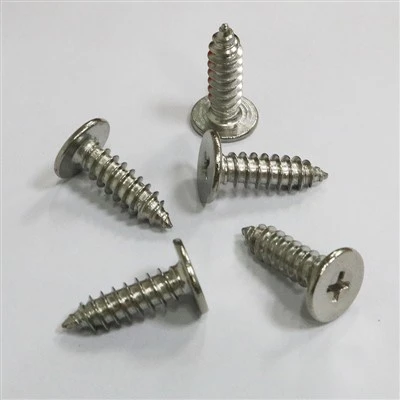
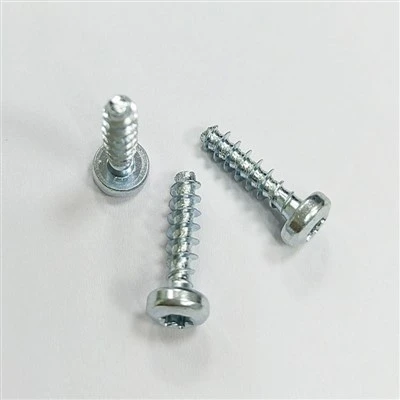
How to Choose the Right Self-Tapping Screw?
The best self-tapping screw is the one that matches the entire fastening system, not simply the one that fits the existing hole.
Start With the Base Material
Material should be the first consideration. Metal, plastic, thin sheet metal, and other substrates behave differently when a screw is driven into them. For example, a screw designed for steel may not be suitable for a plastic housing because excessive radial stress can damage the plastic.
For plastic components, identify whether the material is a thermoplastic or thermoset and consider its hardness, wall thickness, strength, and sensitivity to cracking. For metal applications, consider hardness, thickness, and whether the material requires thread cutting or thread forming.
Match Diameter, Length, and Thread Design
Screw diameter affects the amount of thread engagement and the mechanical strength of the connection, while length determines how deeply the screw engages with the material. A screw that is too short may provide insufficient engagement, while an excessively long screw can interfere with internal components or extend beyond the assembly.
Thread geometry is equally important. Pitch, flank design, and thread depth influence installation torque, holding strength, and resistance to stripping. For customized applications, changing the thread design can sometimes provide a greater performance improvement than simply increasing screw size.
Consider the Head, Drive, and Surface Finish
The head style should match the assembly structure and available space. Pan heads provide a broad bearing surface, while flat or countersunk heads can sit flush with the surrounding surface. Drive types such as Phillips or hexalobular drives should be selected according to the required installation equipment and torque control.
Surface treatment should also reflect the operating environment. Zinc plating may be suitable for many general industrial applications, while stainless steel or specialized protective finishes may be more appropriate for outdoor, humid, or corrosive environments.
When Should You Choose Custom Self-Tapping Screws?
Standard fasteners are suitable for many applications, but customization becomes valuable when an existing screw cannot meet the required dimensions or performance.
Custom self-tapping screws can be developed with specific diameters, lengths, thread profiles, head styles, drive configurations, materials, and surface treatments. This is particularly useful for products with limited installation space, unusual material combinations, strict dimensional requirements, or high-volume assembly processes.
For manufacturers, customization can also help optimize the complete assembly rather than just the fastener itself. A properly designed screw may reduce installation torque, improve thread engagement,
minimize material damage, and increase production consistency.
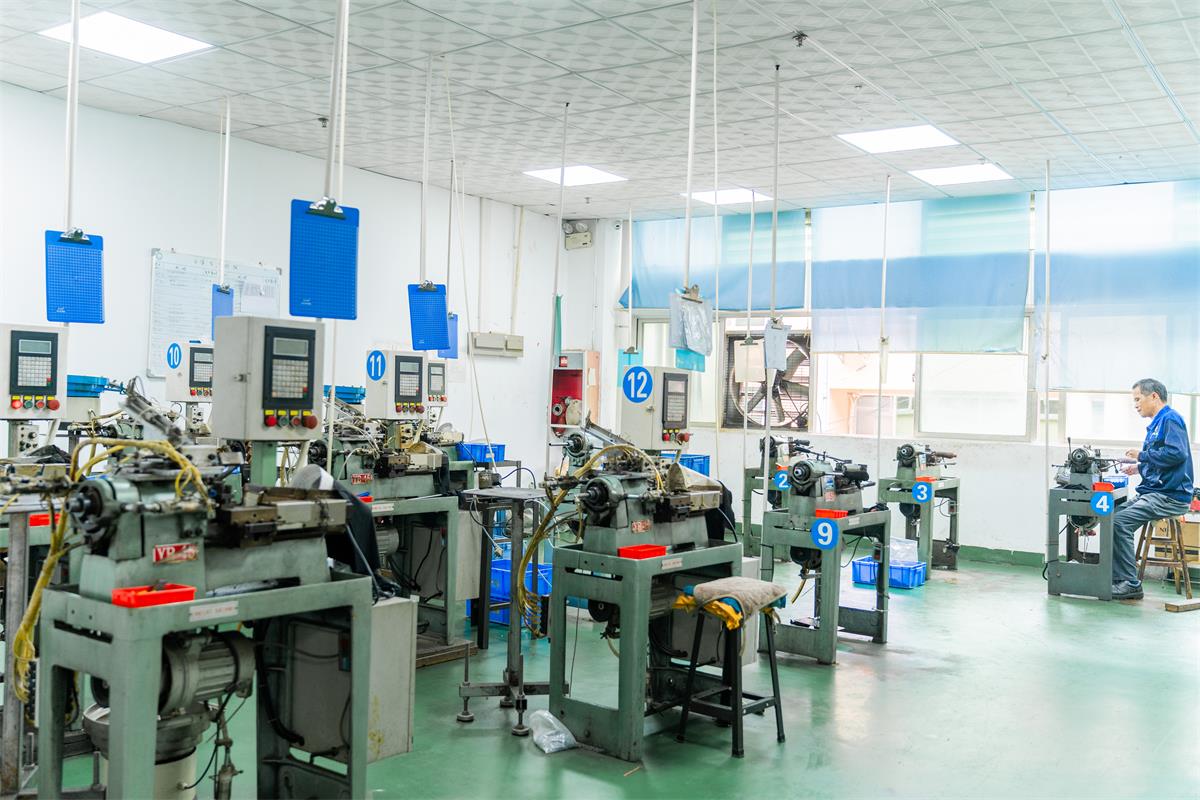
Why Choose Zeyao Hardware as Your Custom Tapping Screw Manufacturer in China?
Zeyao Hardware provides reliable fastening solutions with:
Over 20 years of fastener manufacturing experience
160+ production lines
OEM and ODM customization capability
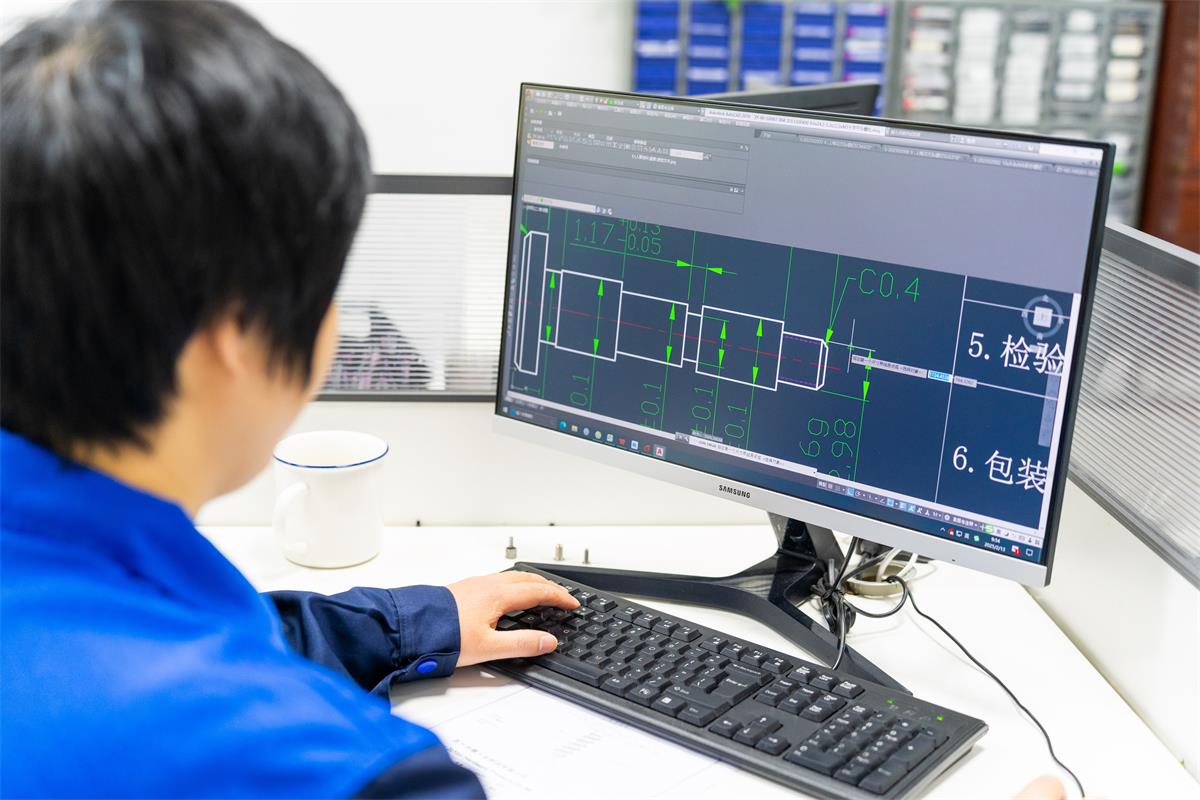
Support for drawings and samples
Experience serving more than 3,500 global customers
From prototype development to mass production, Zeyao helps customers create durable and precise tapping screw solutions.
Practical Checklist Before Ordering Tapping Screws
Before requesting a quotation from a custom tapping screw manufacturer, prepare the following information:
| Requirement | What to Confirm |
|---|---|
| Base material | Metal, plastic, sheet metal, or other substrate |
| Screw type | Thread-forming or thread-cutting |
| Size | Diameter and overall length |
| Thread | Pitch and profile requirements |
| Head | Pan, flat, truss, hex, or custom |
| Drive | Phillips, Torx, hexalobular, etc. |
| Material | Carbon steel, stainless steel, brass, etc. |
| Finish | Zinc, nickel, black oxide, passivation, etc. |
| Application | Indoor, outdoor, automotive, electronics, machinery |
| Quantity | Prototype, small batch, or mass production |
If you have a technical drawing or sample, providing it to the manufacturer can significantly improve quotation accuracy and reduce unnecessary design revisions.
FAQ
Q: What is a tapping screw?
A: A tapping screw is a fastener that creates its mating thread as it is installed into a material. Depending on its design, it may form or cut the internal thread.
Q: Are tapping screws and self-tapping screws the same?
A: The terms are often used interchangeably, but specific screw designs can differ. For engineering and purchasing purposes, the thread-forming method and intended application should be confirmed.
Q: Do self-tapping screws need a pilot hole?
A: It depends on the screw design and application. Many self-tapping screws require a properly sized pilot hole, while self-drilling screws are designed to create their own hole in suitable materials.
Q: Can self-tapping screws be used in plastic?
A: Yes, but the screw must be matched to the plastic. Thread-forming screws are commonly used for thermoplastics, while thread-cutting designs may be more suitable for certain thermoset materials.
Q: What is the difference between tapping and self-drilling screws?
A: A tapping screw creates the mating thread, while a self-drilling screw is designed to drill through suitable material and then create the fastening connection.
Q: How do I choose the right self-tapping screw?
A: Start with the base material, then determine the appropriate screw type, diameter, length, thread design, head, drive, material, and surface treatment. For demanding applications, testing the screw in the actual material is recommended.
Q: Can tapping screws be customized?
A: Yes. A custom fastener manufacturer can develop tapping screws with customized dimensions, thread profiles, materials, head styles, drive types, and surface finishes according to drawings, samples, or application requirements.