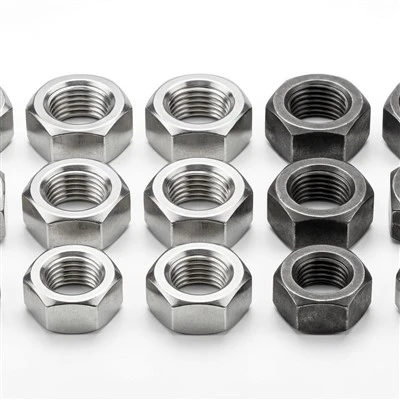
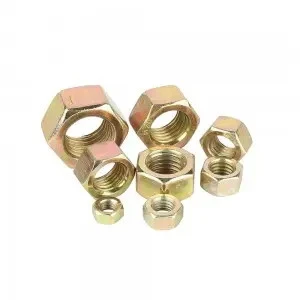
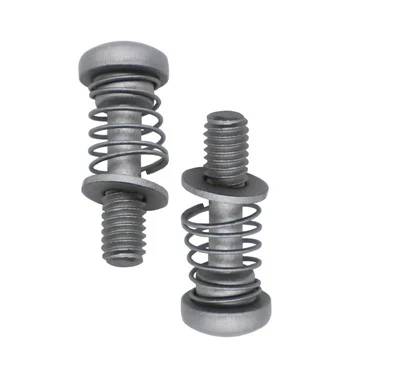
In mechanical equipment, construction projects, and industrial manufacturing, hex nuts are essential fasteners. Although small in size, their quality and precision directly affect the safety, stability, and service life of equipment. Therefore, choosing a reliable hex nut manufacturer is extremely important for buyers and procurement professionals.
1. Why Choosing a Reliable Hex Nut Manufacturer Matters
Hex nuts are key components used to secure mechanical connections. If the product quality from a supplier is inconsistent, it may lead to loose threads, connection failures, or even safety accidents.
A reliable manufacturer ensures consistent product quality, precise dimensions, and stable supply for large orders. In addition, dependable suppliers usually provide professional technical support and after-sales service, giving buyers greater confidence throughout the purchasing and application process.
2. Check the Manufacturers Production Experience and Industry Background
A manufacturer's production experience is an important indicator of its overall capability. Fastener manufacturers with many years of experience usually have mature production processes, comprehensive quality control systems, and stable supply chains.
Buyers can evaluate a factory's background by reviewing:
The company's founding year and industry experience
Main product categories and export markets
Familiarity with international standards such as DIN, ANSI, and ISO
Manufacturers with extensive experience are better able to meet the requirements of different industries, such as automotive, machinery, construction, and electronic equipment.
3. Evaluate the Factory's Equipment and Manufacturing Capacity
Production equipment plays a key role in determining both product quality and delivery capability. Modern hex nut production typically requires specialized equipment such as:
Cold heading machines
Thread tapping machines
Heat treatment equipment
Surface finishing equipment
Buyers can assess manufacturers based on:
Number of production lines and level of automation
Production scale and monthly output
Completeness of inspection and quality-control equipment
Manufacturers with advanced equipment can ensure thread accuracy, dimensional consistency, and the ability to handle large-volume orders.
4. Understand the Quality Control and Certification System
Reliable hex nut manufacturers maintain strict quality management systems and usually obtain international certifications such as ISO 9001.
When selecting a supplier, buyers should pay attention to:
Raw material inspection – ensuring steel or metal meets required standards
In-process inspection – thread precision, hardness, and strength testing
Finished product inspection – dimensional checks, appearance, and surface treatment verification
Buyers may also request inspection reports and material certificates to ensure every batch meets the required specifications.
5. Whether OEM / ODM Customization Is Available
In many applications, standard hex nuts may not fully meet specific requirements. Therefore, whether a manufacturer provides OEM / ODM customization services is an important factor.
Customization options may include:
Size and thread specifications
Materials (stainless steel, carbon steel, alloy steel, etc.)
Surface finishes (zinc plating, nickel plating, black oxide, etc.)
Special nut structures or branded packaging
Customization capabilities allow manufacturers to meet specialized application needs while increasing product value and brand differentiation.
6. Evaluate Delivery Capability and Supply Stability
In long-term cooperation, supply stability is critical. If a manufacturer cannot deliver on time, it may lead to production delays and financial losses.
Buyers should review:
Factory production scale and capacity
Inventory management and logistics arrangements
Ability to deliver large-volume orders consistently and on schedule
Manufacturers with stable production and reliable delivery systems can ensure smooth procurement planning.
7. After-Sales Service and Technical Support
Beyond the product itself, after-sales service and technical support are also important factors when choosing a manufacturer.
Excellent manufacturers typically provide:
Product selection recommendations
Installation and usage guidance
Responsive after-sales service
Effective technical support helps customers resolve problems during use and reduces operational risks.
8. Conclusion: How to Choose the Right Hex Nut Manufacturer
Choosing a reliable hex nut manufacturer requires a comprehensive evaluation of production experience, equipment capability, quality control, customization options, delivery stability, and after-sales service.
Buyers should not rely solely on price as the deciding factor. Instead, they should prioritize suppliers with strong overall capabilities. Through careful selection and evaluation, procurement teams can obtain high-quality, standardized, and consistently supplied hex nuts, ensuring equipment safety and the smooth progress of engineering projects.