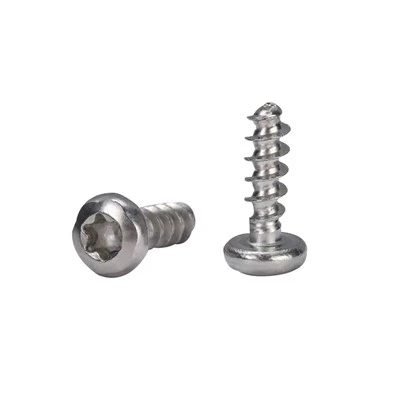
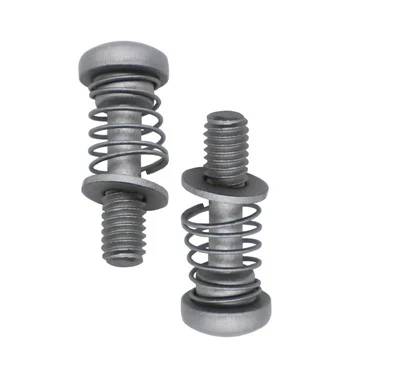
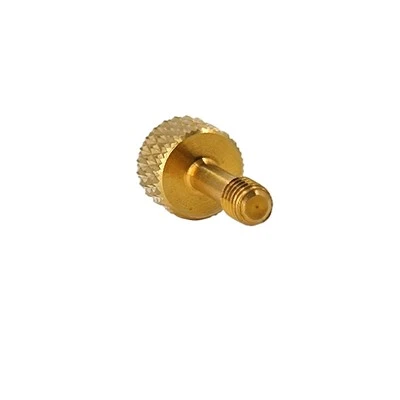
Have you ever noticed those screws that look like they've been painted blue in computer or phone repair shops?
What are those blue screws in laptops?
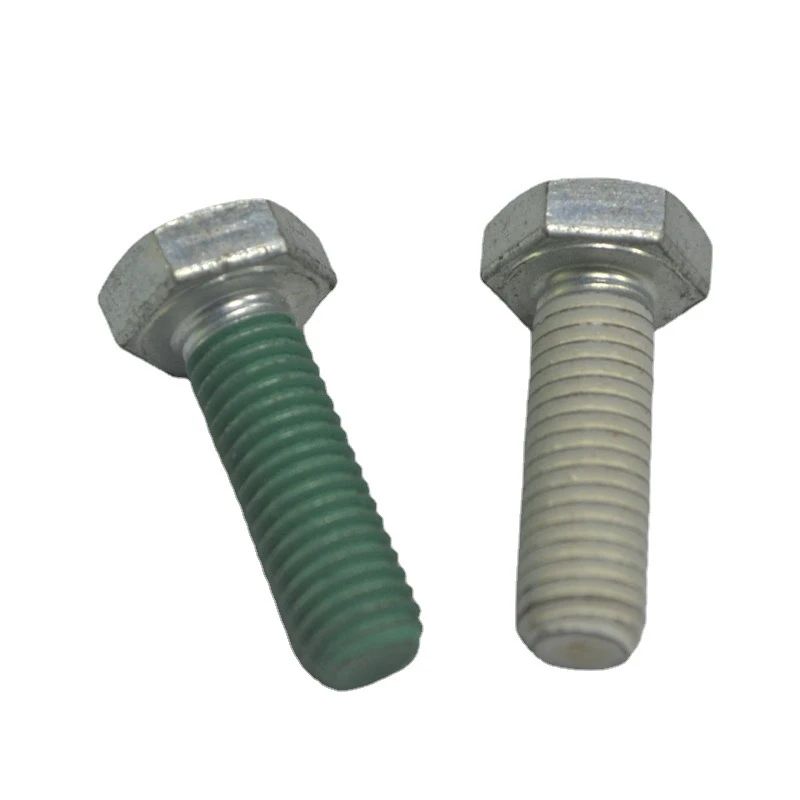
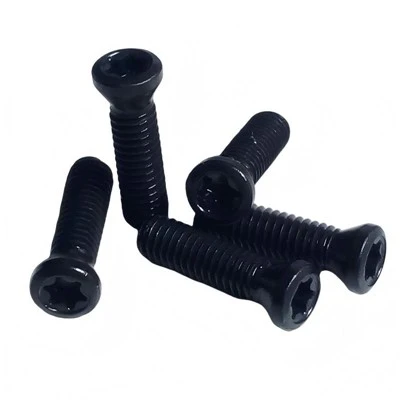
These blue screws are called Nylok screws, also known as thread-locking screws. Besides blue, they can also be red, yellow, green, or other colors.
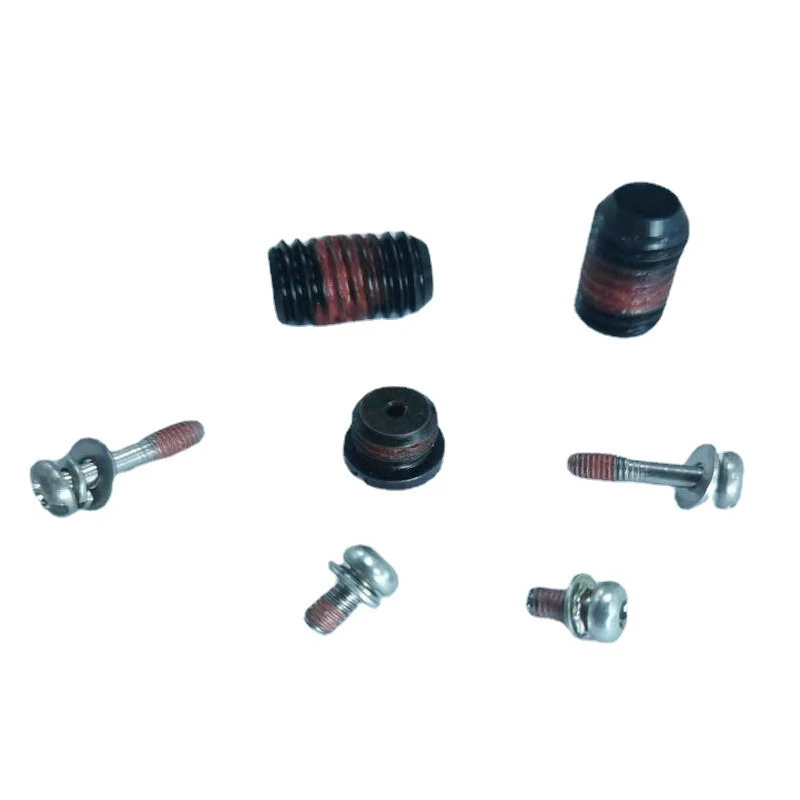
These colors come from special engineering resins applied to the threads of the screws. The resin increases friction during tightening by creating resistance, which helps prevent loosening. That's why these screws are commonly referred to as anti-loosening screws.
If they're anti-loosening screws, why are they called Nylok screws?
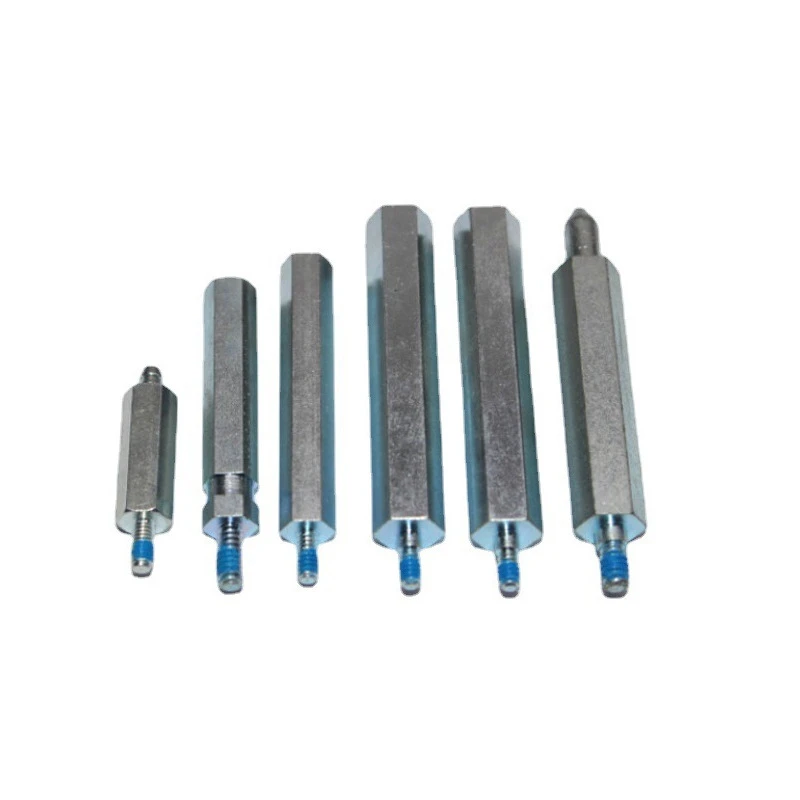
The term "Nylok" comes from the Nylok adhesive, which was the first type of engineering resin used for anti-loosening screws. Over time, this coating method became known as Nylok treatment or Nylok coating, and the screws themselves came to be called Nylok screws.
What's the difference between blue and red Nylok screws?
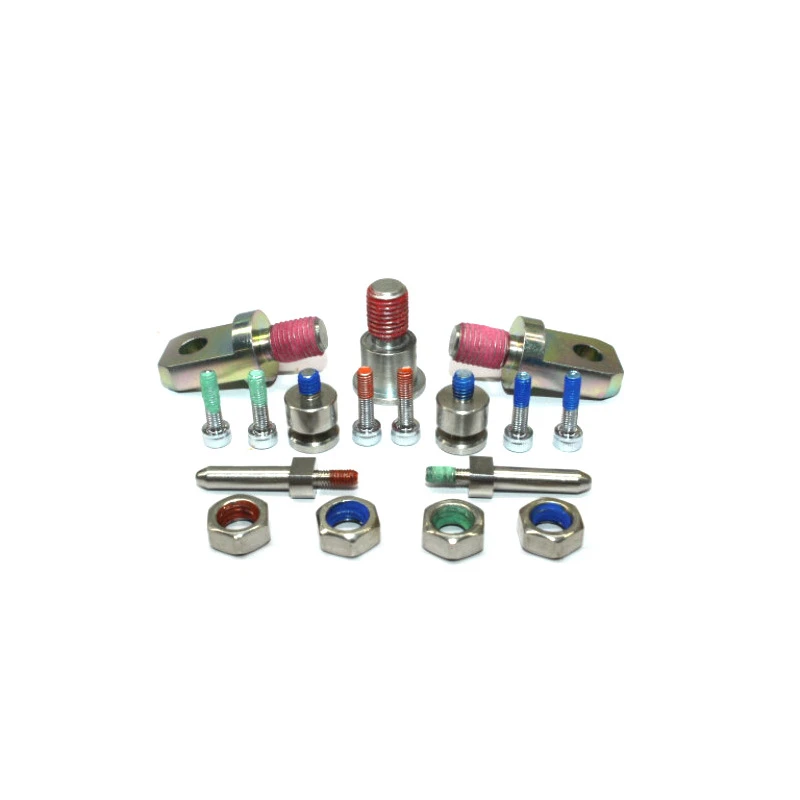
Blue Nylok screws, the most common type, are coated with Nylok adhesive. Red screws are another variant. The color difference indicates varying levels of adhesive strength. Blue screws can still be removed manually, though it requires significant force. Red screws, however, generally cannot be removed by hand unless heated to soften the adhesive first.
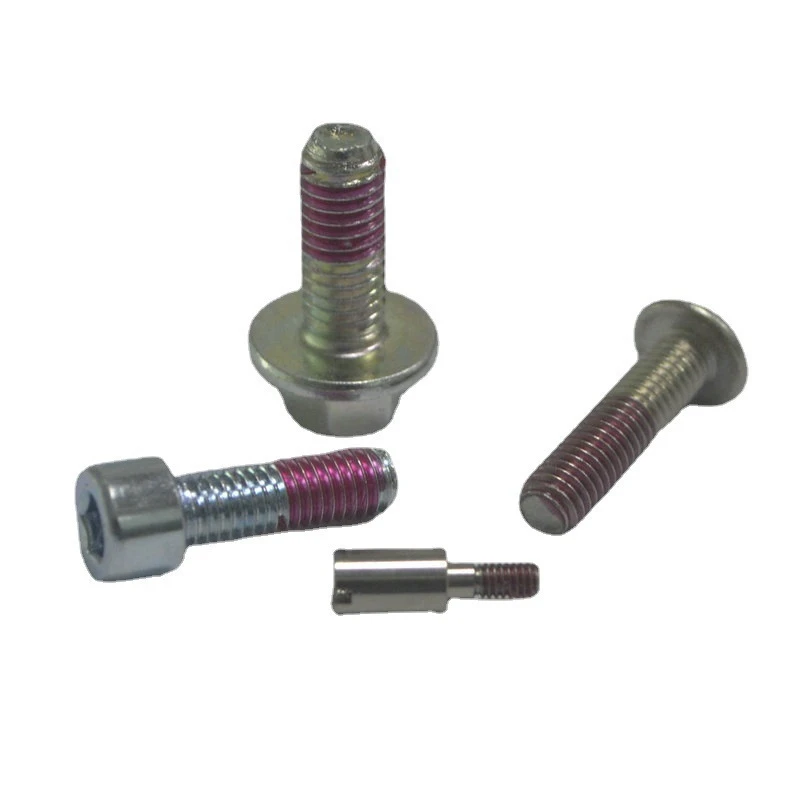
How do Nylok screws work?
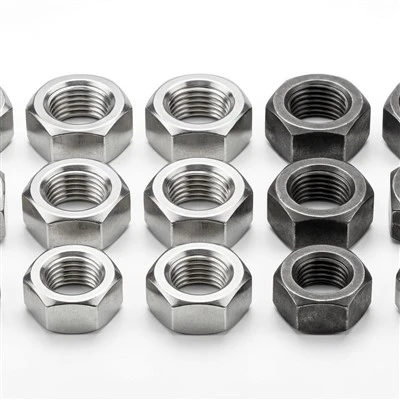
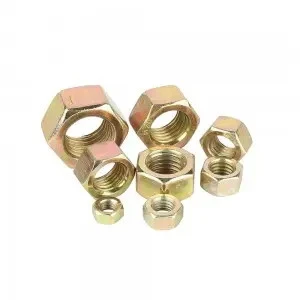
Nylok is the general term for this surface treatment. Special engineering resins, like Nylok adhesive, are processed and applied to the screw threads. When the bolt and nut are tightened, the resin compresses, creating strong friction between the threads. This increased friction provides absolute resistance to vibration and impact, preventing the screw from loosening.