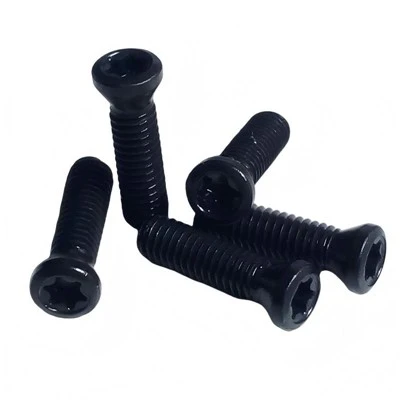
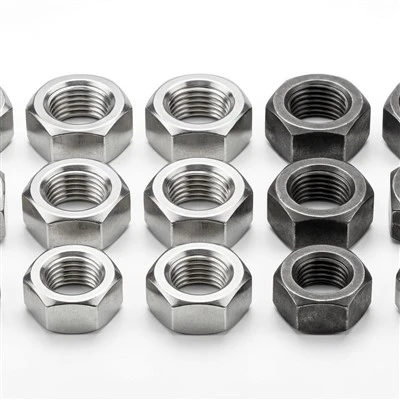
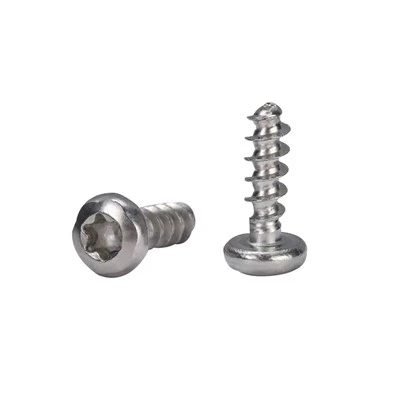
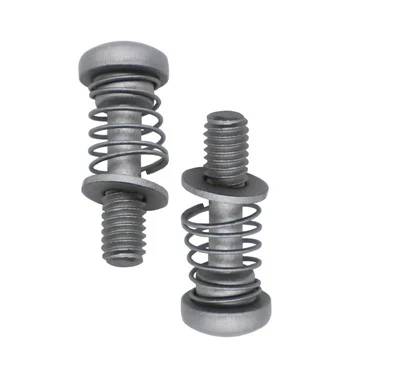
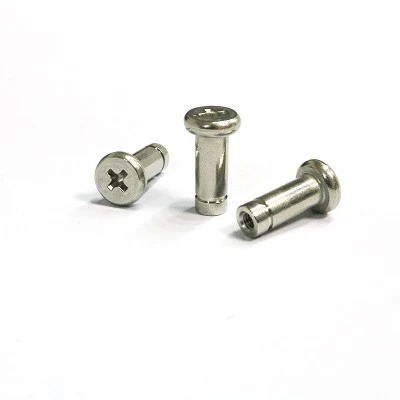
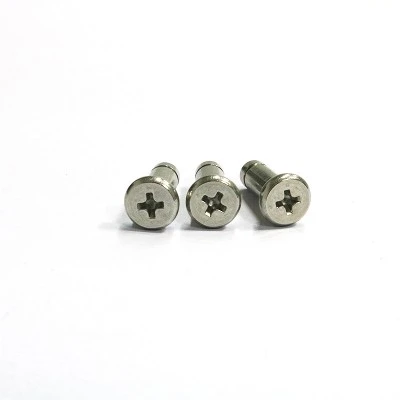
Stainless steel 304 cross flat head slotted pin is a multi-purpose fastener, usually used for mechanical positioning, axial fixation, or with a retaining ring to achieve anti-drop function. Stainless steel 304 cross flat head slotted pin is a precision mechanical connector. Its surface treatment needs to select the appropriate process according to the application scenario. The following are common solutions and technical points.
1. Passivation treatment
Principle: Remove surface free iron through nitric acid or citric acid to form a chromium oxide passivation film.
Advantages: Pass the salt spray test for 48-72 hours, improve corrosion resistance, and maintain the original color of the metal at a low cost.
Key parameters: Solution concentration is 20%-50% nitric acid, temperature is controlled at 20-50℃, soak for 30 minutes to 60 minutes, and subsequent neutralization and water rinsing are required.
2. Electrolytic polishing
Applicable scenarios: Various scenarios with high cleanliness requirements, commonly food and medical equipment.
Effect: Surface Ra≤0.2μm, bright and smooth, and reduces bacterial attachment.
Key points of the process: phosphoric acid + sulfuric acid electrolyte, current density 10-20A/dm², time 3-5 minutes, and the risk of intergranular corrosion needs to be controlled.
3. Plating process
Electroplating nickel: thickness 5-15μm, hardness HV300, extended wear life. But pre-plating a copper layer is required to prevent nickel from peeling off.
Chemical nickel plating: uniform plating, hardness reaches HV500 after heat treatment, acid and alkali resistance is better than electroplating.

4. Physical vapor deposition
High-end options: titanium plating, chromium plating, etc.
Features: film thickness 2-5μm, hardness ≥HV2000, and various colors.
Cost: high, suitable for precision instruments or decorative purposes.
5. Other treatments
Sandblasting: Use 180-240 mesh sand to produce a matte texture and improve coating adhesion.
High temperature oxidation: After heating at 300-400℃, a blue oxide film is formed, which is both beautiful and rust-proof, but it may also reduce corrosion resistance.
Selection suggestions
Conventional anti-corrosion: passivation + sealant.
Wear resistance requirements: electrolytic polishing + chemical nickel plating.
Harsh environment: PVD coating or composite treatment (nickel plating after passivation).
Note: The grooved structure needs to ensure that the treatment liquid flows fully to avoid accumulation of liquid; the dimensional tolerance needs to be tested after treatment.
This type of pin achieves a balance between high-precision positioning, convenient maintenance, and environmental adaptability through the combination of structural design and material properties. It is an efficient solution for mechanical transmission and connection.