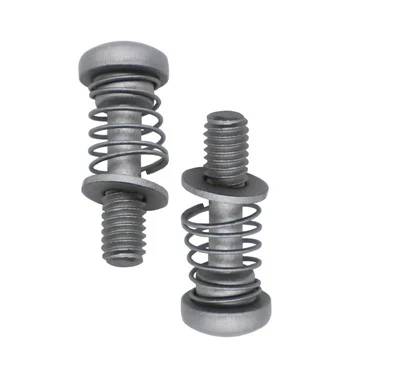
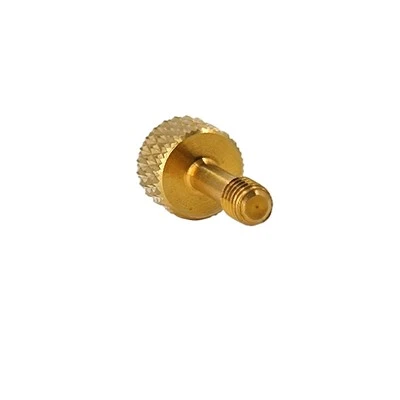
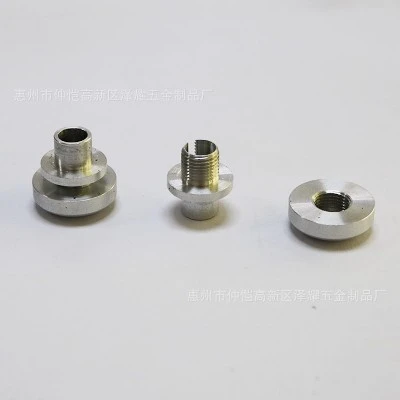
The surface treatment of non-standard step aluminum parts needs to be comprehensively selected according to factors such as the purpose of the workpiece, environmental requirements, and cost. The following is a detailed classification description.
1. Pretreatment
Degreasing and cleaning: Use alkaline or neutral degreasing agents to remove oil stains, and ultrasonic cleaning is better.
Pickling or alkaline etching: Alkaline etching removes the oxide layer, and pickling is used to neutralize residual alkali.
Mechanical treatment: Sandblasting: Increases roughness, improves coating adhesion, and is suitable for subsequent spraying or anodizing.
2. Core surface treatment process
Anodizing: Ordinary sulfuric acid anodizing is suitable for dyeing, and hard anodizing is used for high wear parts.
Features: Good insulation, but requires sealing treatment to improve corrosion resistance.
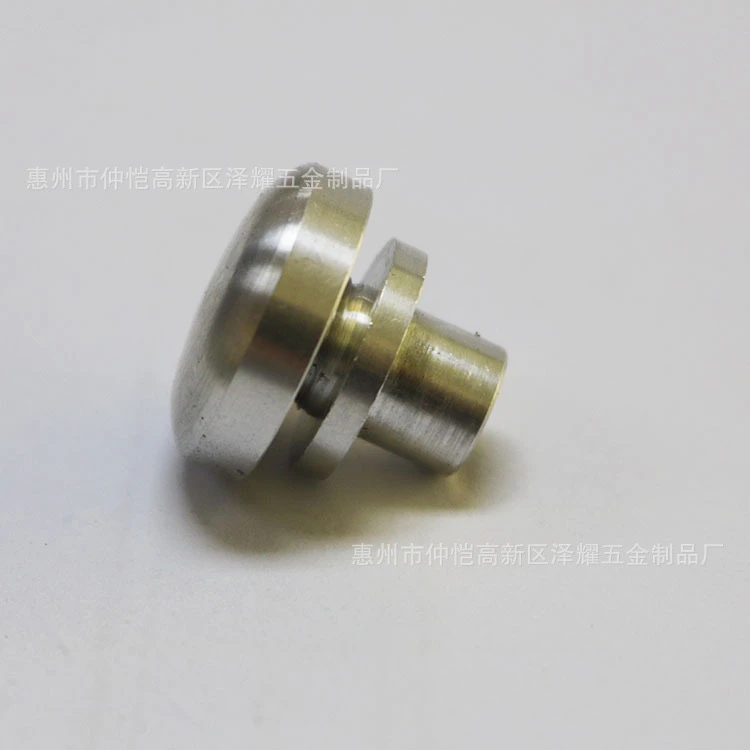
Applicable scenarios: Automotive exterior parts, structural load-bearing parts.
Low-cost protection of chemical conversion film
Chromization treatment: Generates yellow or green chromate film with excellent corrosion resistance, but due to environmental restrictions, it will gradually be replaced by chromium-free.
Phosphating treatment: Suitable for the base layer of subsequent powder spraying or painting.
Electroplating improves conductivity and decorative effects
Nickel plating or chrome plating: Enhances surface hardness, used for exterior parts or conductive contacts.
Note: Aluminum needs to be pre-plated with copper or zinc to prevent a displacement reaction.
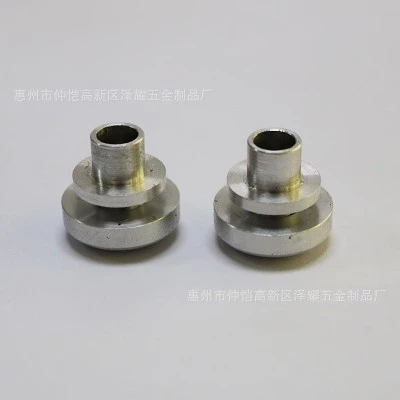
Spraying
Powder spraying: Matte/metallic effects are optional, and weather resistance is strong.
Fluorocarbon spraying: Super weather resistance, outdoor use for more than 20 years, suitable for high-end car decorative parts.
3. Post-processing and performance enhancement
Sealing treatment: Cold sealing or hot sealing is used after anodizing to reduce porosity.
Passivation: Chromium-free passivation liquid improves salt spray performance.
Lubricating coating: Add PTFE or MoS2 coating to reduce the friction coefficient, usually used for moving parts.
4. Selection process recommendations
High wear resistance: Choose hard anodizing/micro-arc oxidation, which is a little more expensive.
Anti-corrosion and environmental protection: Chromium-free conversion film + powder spraying, also meets RoHS standards.
Conductive requirements: Chemical nickel plating, but pre-plating of copper is required.
Complex color appearance: anodizing dyeing + UV glazing to avoid fading in strong ultraviolet areas.
Through reasonable matching of processes, performance, and cost can be balanced to meet the customized needs of non-standard parts.