Stainless steel screws and carbon steel screws are the two most common types on the market. However, many buyers and engineers tend to focus only on price or surface appearance when making a selection, often overlooking how the material itself can significantly impact performance, lifespan, and safety.
In reality, these two types of screws differ fundamentally in strength, corrosion resistance, application environments, and long-term cost. Choosing the wrong material can lead not only to reduced structural performance but also to frequent replacements and even safety risks-ultimately increasing overall costs.
This article provides a comprehensive comparison of stainless steel and carbon steel screws from multiple perspectives, including material composition, mechanical properties, corrosion resistance, cost structure, and real-world applications, helping you determine the better choice for different conditions.
Material Composition and Basic Differences
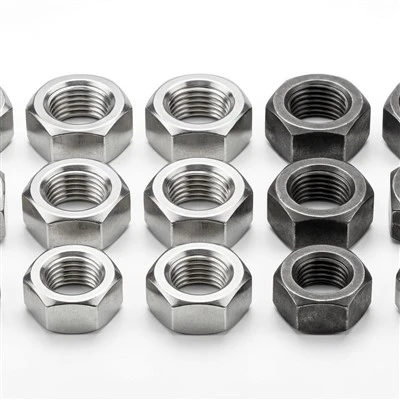
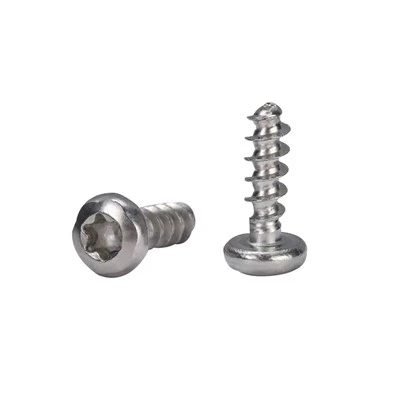
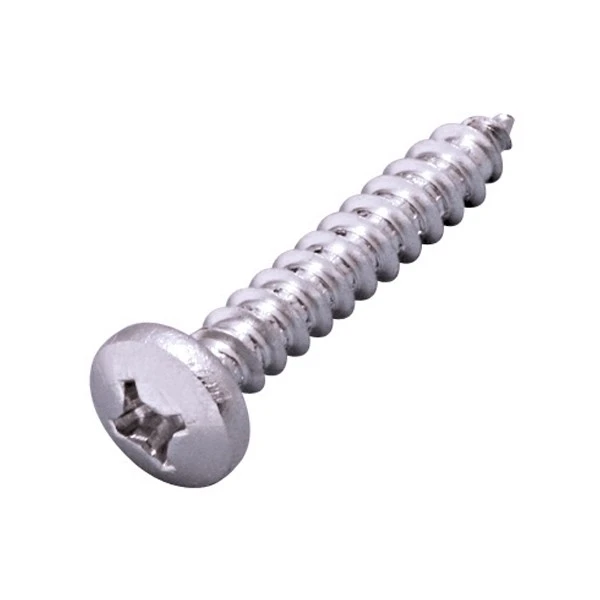
Stainless steel screws are typically made from alloy steel containing at least 10.5% chromium (Cr). Common grades include 304 and 316 stainless steel. Chromium forms a dense oxide layer on the surface, which effectively prevents oxygen and moisture from further corroding the metal, greatly enhancing corrosion resistance.
316 stainless steel, with added molybdenum, offers superior resistance to salt spray and chemical corrosion, making it widely used in marine and chemical environments.
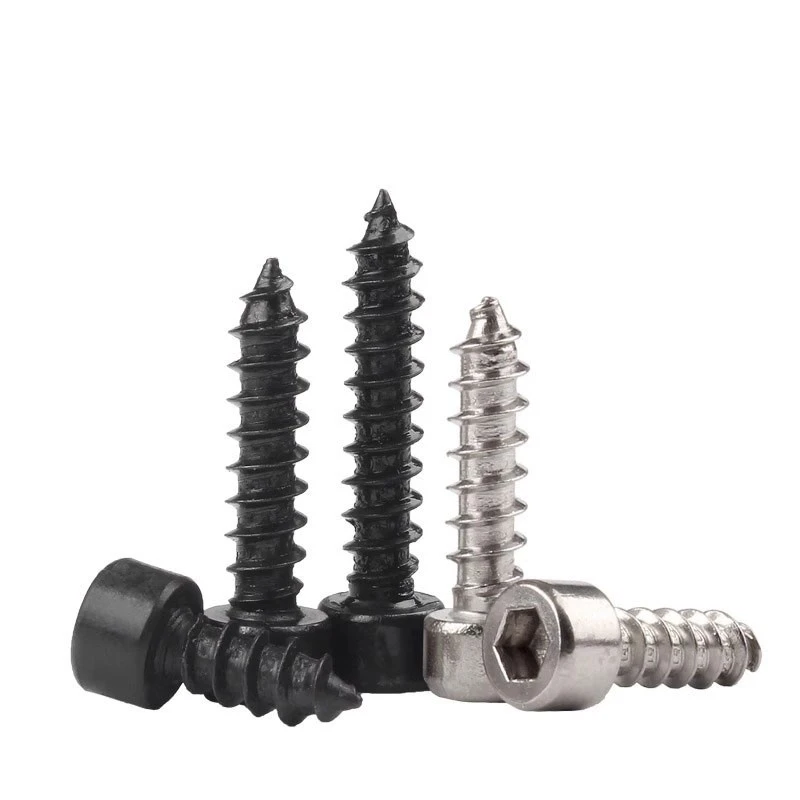
Carbon steel screws, on the other hand, are primarily composed of iron and carbon. Depending on the carbon content, they can be classified into low-carbon, medium-carbon, and high-carbon steel. Through heat treatment processes such as quenching and tempering, their strength and hardness can be significantly improved.
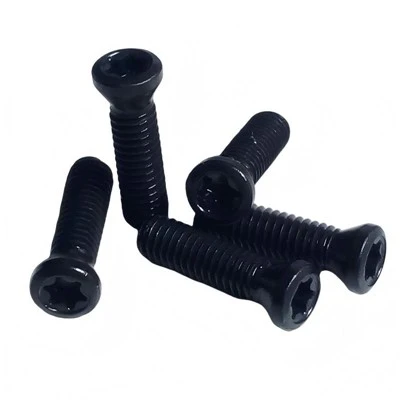
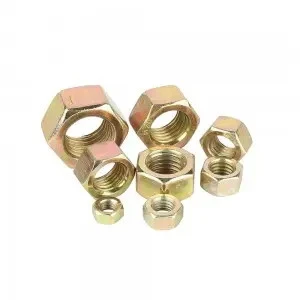
To enhance corrosion resistance, carbon steel screws are usually treated with surface coatings such as galvanization, electroplating, or black oxide finishing.
Mechanical Properties: Strength and Hardness
Heat-treated carbon steel screws can reach high strength grades such as Grade 8.8, 10.9, or even 12.9. This makes them ideal for high-load and high-stress environments, such as machinery, structural construction, and the automotive industry, where strong fastening force and structural stability are critical.
In comparison, stainless steel screws generally have lower strength, with common grades like A2-70 or A4-70. This means they may not perform as well under extreme loads.
However, stainless steel offers better ductility and toughness, making it less prone to brittle fracture under vibration or impact-an advantage in certain applications.
Corrosion Resistance and Environmental Performance
Stainless steel screws rely on their naturally formed protective layer, allowing them to remain stable in humid, outdoor, and even saltwater environments without rusting easily. This makes them the preferred choice for outdoor construction, marine equipment, food processing machinery, and medical devices.
Carbon steel screws can resist corrosion through coatings like zinc plating, but this protection is external. Once the coating is worn or damaged, the underlying metal is exposed and can quickly rust. As a result, their lifespan is typically shorter in humid or corrosive environments.
Many users underestimate environmental factors and choose lower-cost carbon steel screws, only to face higher long-term costs due to frequent replacement. In corrosive environments, stainless steel is generally the more reliable option.
Cost Comparison: Price vs. Long-Term Value
Carbon steel screws have a clear advantage in initial cost due to lower material and manufacturing expenses, making them suitable for large-scale use or budget-sensitive projects.
Stainless steel screws are more expensive because of higher material costs and more complex processing. However, their superior corrosion resistance can significantly reduce maintenance and replacement frequency, lowering total cost over time.
Buyers should look beyond upfront pricing and consider the usage environment and lifecycle costs. In many cases, stainless steel proves more economical in the long run.
Application Scenarios
Stainless steel screws are widely used in:
Outdoor construction projects
Marine equipment
Food processing machinery
Medical devices
Applications requiring high cleanliness or corrosion resistance
Carbon steel screws are commonly used in:
Structural construction
Machinery manufacturing
Automotive applications
Indoor equipment installation
In these scenarios, strength requirements typically outweigh corrosion concerns, making carbon steel the better choice.
How to Choose the Right Screw Material
First, consider the environment. For humid, outdoor, or corrosive conditions, stainless steel is more suitable. For indoor or dry environments, carbon steel is often sufficient.
Second, evaluate load requirements. For high-load or high-strength applications, high-grade carbon steel screws are the better option.
Finally, factor in budget and service life. If long-term maintenance costs are a concern, stainless steel may offer better value. For short-term or cost-driven projects, carbon steel provides better affordability.
Taking a systematic approach helps avoid poor decisions and improves both project quality and cost control.
OEM & ODM Customization Services
For professional buyers, standard products often cannot fully meet project requirements, making customization essential.
An experienced fastener manufacturer can offer a wide range of material options, as well as customization in strength grades, surface treatments, and dimensions.
Whether for large-volume procurement or specialized applications, professional OEM and ODM services help clients obtain solutions better suited to their needs, ultimately enhancing overall competitiveness.