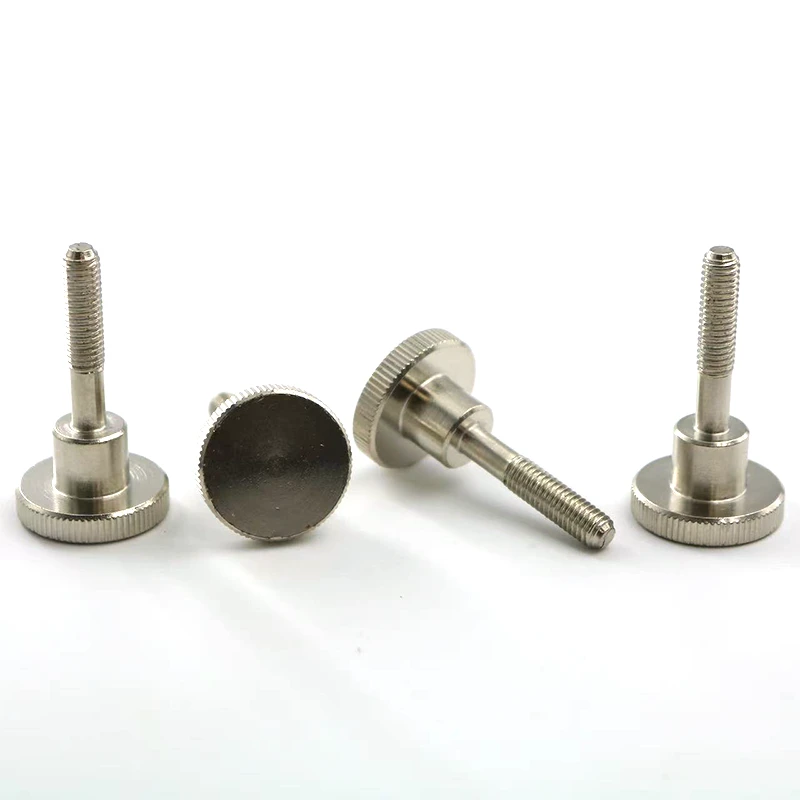
In industrial manufacturing and engineering construction, bolts, as one of the most basic fasteners, are involved in the connection and fixation of almost all structures. From large bridges to precision machinery, from automobile manufacturing to power equipment, the performance of bolts directly affects the stability and safety of the overall structure. Because of their wide range of applications, the market demands increasingly higher quality and consistency from bolts.
This article will systematically analyze the core logic of bolt manufacturing in China from multiple dimensions, including basic structure, material system, production process, quality control, and supply capacity.
What is a Bolt?
A bolt is a fastener that achieves mechanical connection through threads. Its basic structure consists of a head and a threaded shank. It needs to be used with a nut, and tightening it generates axial preload, thereby firmly connecting two or more parts together.
In practical applications, bolts not only perform simple fixing functions but also need to withstand complex stress environments. For example, in bridges or building structures, bolts need to withstand tensile and shear forces for extended periods; in mechanical equipment, they may also face vibration and impact; and in outdoor or marine environments, they need to have good corrosion resistance.
Common bolt types include hex bolts, socket head cap screws, flange bolts, and U-bolts, with different structures suitable for different installation methods and stress conditions.
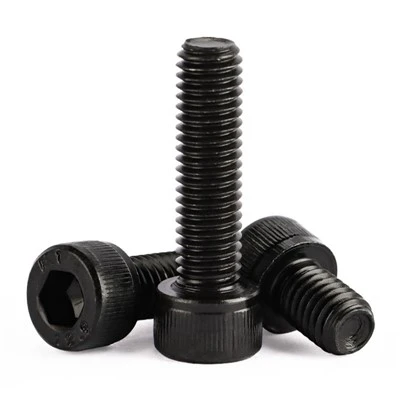
Button Head Flanged Head Bolt
The button head flanged bolt is designed with a button head, a flange, and a threaded shaft. The button head makes the installation and removal easier.
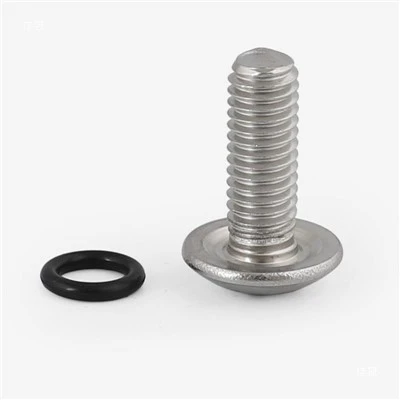
DIN603 Carriage Bolt
Carriage Bolt, Square Neck Bolt
Thread Size: Metric & Inch
Material: Carbon Steel & Stainless Steel
Finish: Black, Nickel, Zinc, etc.
Head Type: Round Head
Why Global Buyers Choose Chinese Bolt Factories
The fundamental reason why China's bolt manufacturing industry occupies an important position in the global market lies in its highly mature and complete industrial chain system. From upstream steel supply to midstream production and processing, and downstream surface treatment and export services, each link has a high degree of synergy.
Compared to single processing plants, specialized Chinese bolt factories have stronger large-scale production capabilities, capable of handling multiple specifications and large-volume orders simultaneously, which is particularly crucial for project-based procurement. Furthermore, with continuous technological advancements, more and more Chinese factories are able to produce according to international standards, such as ISO, DIN, or ANSI standards, giving their products not only price advantages but also consistent quality performance.
For buyers, the value of Chinese bolt factories lies not only in cost control but also in their comprehensive manufacturing capabilities and long-term supply stability. This advantage is especially pronounced when OEM or customized products are required.
Raw Material System: The Foundation Determining Bolt Performance
In bolt production, material selection is the most crucial starting point, as it directly determines the product's strength, corrosion resistance, and service life. Professional Chinese bolt factories recommend suitable materials based on different application scenarios, rather than simply choosing based on price.
Carbon steel is the most common material type, which can be divided into low-carbon steel, medium-carbon steel, and high-carbon steel based on carbon content. Low-carbon steel is less expensive and suitable for general fasteners, while medium-carbon and high-carbon steel offer higher strength and are suitable for mechanical structures or load-bearing environments.
In corrosive environments, stainless steel bolts are a better choice. For example, 304 stainless steel is suitable for general outdoor environments, while 316 stainless steel has stronger salt spray resistance and is suitable for marine or high-humidity environments.
Material selection not only affects product performance but also directly impacts the cost structure; therefore, a comprehensive evaluation is necessary during the development phase.
Production Process Flow: A Key Link Affecting Quality
Bolt production is not a simple machining process but consists of multiple precision process steps, each of which directly affects the final product's performance.
In the forming stage, cold heading is widely used in mass production. It involves rapid forming at room temperature using molds, offering advantages such as high efficiency and high consistency. For larger or more complex bolts, hot forging may be used, forming them after heating to improve material plasticity.
Threading employs thread rolling, a method that forms the thread structure through extrusion, improving thread strength and reducing material waste.
Heat treatment is a crucial step in determining the bolt's strength grade. Through quenching and tempering, bolts can achieve grades 8.8, 10.9, or even higher. Improper heat treatment control directly impacts the product's safety performance.
For surface treatment, common processes include galvanizing, blackening, and Dacromet coating. These treatments not only enhance corrosion resistance but also affect the product's appearance and environmental adaptability.
Quality Control System: The Core Competency of a Professional Factory
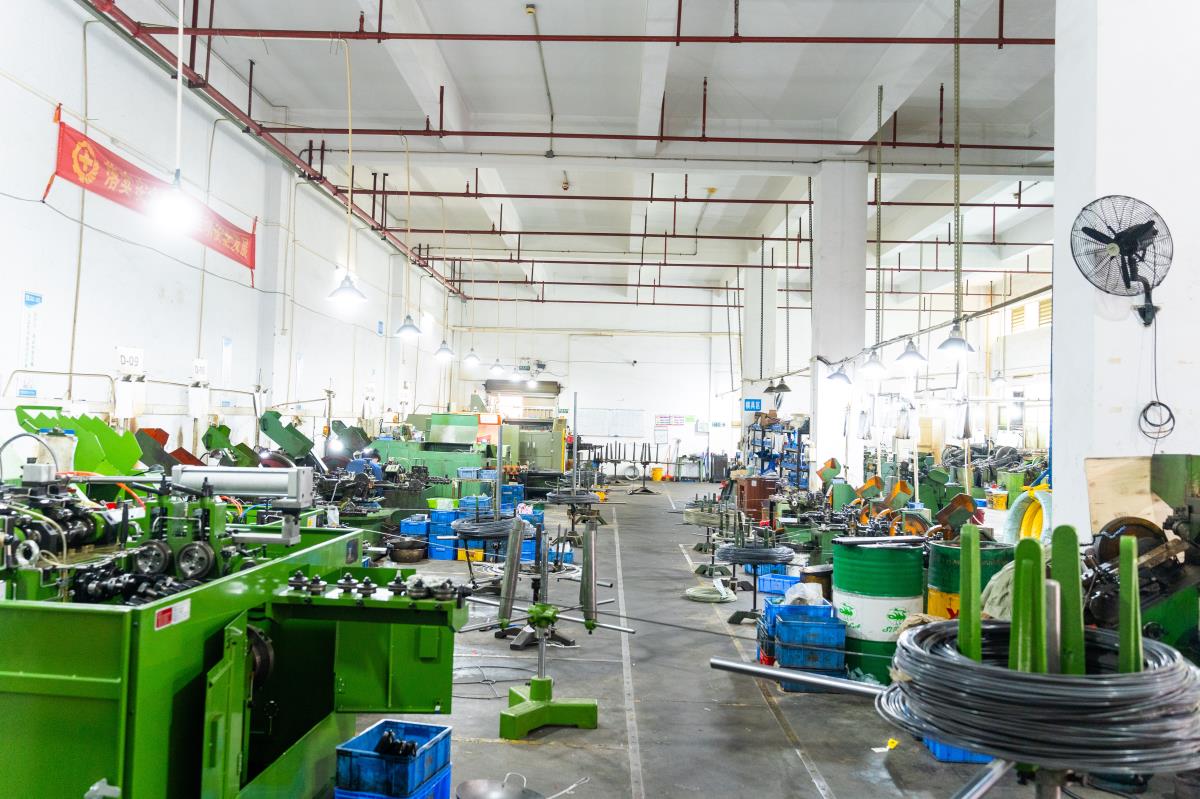
Professional Chinese bolt factories have established a complete quality control system, with strict standards at every stage, from raw materials to finished product shipment.
Upon entering the factory, raw materials undergo composition and performance testing to ensure they meet production requirements. During production, dimensions, thread accuracy, and process parameters are continuously monitored to prevent batch deviations. In the finished product stage, strength testing, hardness testing, and appearance inspection are also conducted to ensure product compliance with standards.
For export orders, many factories can provide testing reports or third-party certifications, which not only enhances product credibility but also helps customers smoothly enter target markets.
Product Range and Customization Capabilities
Professional Chinese bolt factories not only provide standard products but also possess strong customization capabilities, producing according to customer drawings or requirements. This capability is particularly important in engineering projects and equipment manufacturing, as many application scenarios do not have standard specifications that can be directly matched.
In addition to common standard parts such as hexagonal bolts and flange bolts, factories can also produce non-standard products with special sizes, special threads, and special materials. Furthermore, during the customization process, factories typically provide technical advice to optimize structural design or improve performance.
Delivery Capabilities and Supply Chain Stability
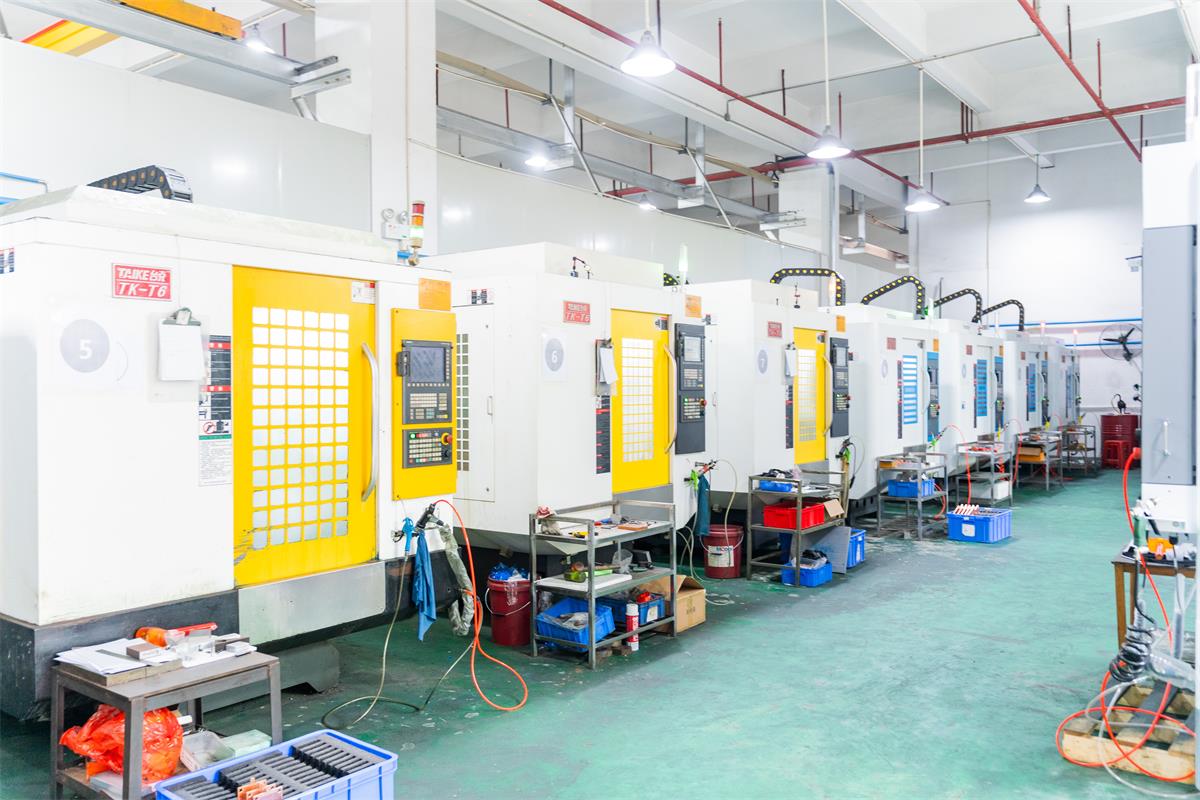
For long-term procurement or engineering projects, delivery capability is a crucial consideration when selecting suppliers. Professional Chinese bolt factories typically have multiple production lines, capable of handling orders of different specifications simultaneously, and ensuring stable delivery times through reasonable production scheduling.
Furthermore, a stable supply of raw materials and a mature production system enable the factory to support long-term supply needs, which is a key reason why many international clients prefer to establish long-term partnerships.
In summary,
a professional Chinese bolt factory is not merely a production unit, but a comprehensive manufacturing system integrating material selection, process control, quality management, and supply chain capabilities. For buyers, understanding these core elements can not only help in selecting more reliable suppliers but also enable more rational decisions regarding cost and quality.
If you are looking for a stable and reliable Chinese bolt factory, we can provide you with a one-stop solution from material selection to mass production, supporting OEM/ODM customization and long-term supply cooperation.
Please feel free to contact us for professional advice and quotation support.