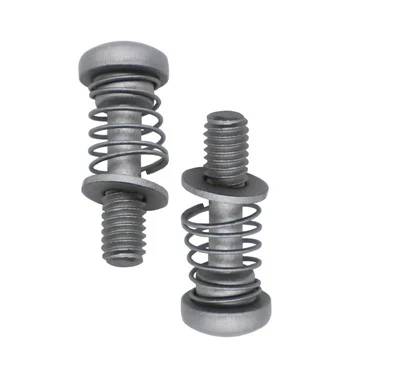
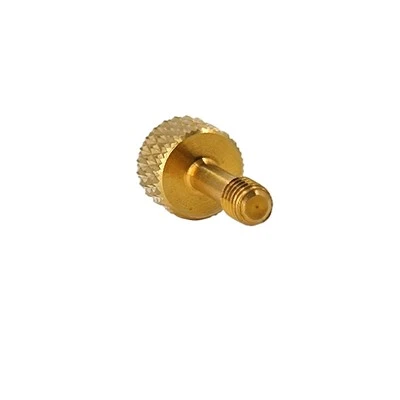
Screws, seemingly simple components, actually play a vital role in modern manufacturing.
Today, we'll share how to choose the right screw for your product.
1. Screw Types and Materials
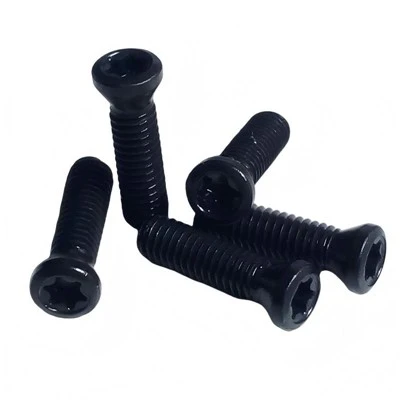
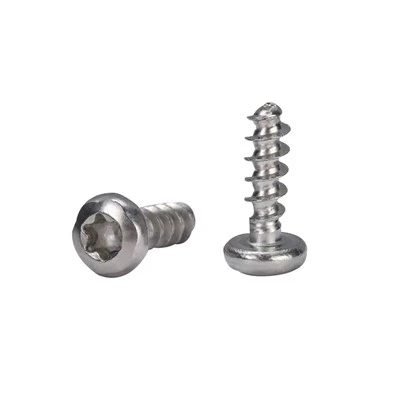
Screws come in many varieties, including self-tapping screws, machine screws, and wood screws.
Common Screw Materials:
Carbon Steel Screws: Suitable for general environments, offering excellent strength and durability.
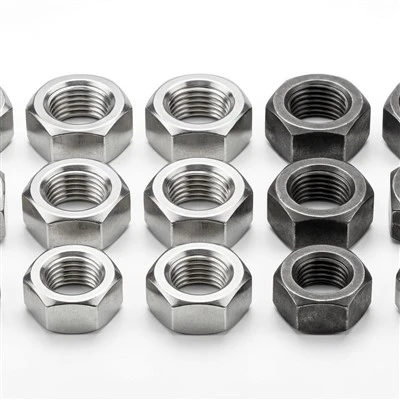
Stainless Steel Screws: Excellent corrosion resistance, suitable for outdoor, humid, or corrosive environments.
Alloy Steel Screws: High load-bearing capacity, suitable for high-strength applications such as automotive manufacturing and mechanical equipment.
2. Screw Sizes and Specifications
Choosing the correct screw size is crucial to ensuring product stability and durability. Screw length, diameter, thread shape, and angle are all customized based on the product's design requirements.

3. Screw Surface Treatment
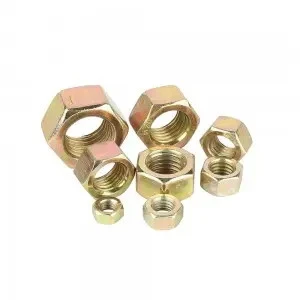
Electroplating: Improves the screw's corrosion resistance and aesthetics.
Oxidation: Enhances the screw's hardness and wear resistance.
Spraying and coating: Provides additional corrosion protection, suitable for harsh environments.
4. Industry Applications
Radiator Manufacturers: Screws help ensure a tight fit of radiator components, improving heat dissipation and reducing heat buildup.
Electronic Product Manufacturers: Small, precision screws ensure stable mounting of electronic components and reduce the impact of vibration on performance.
Automobile Manufacturers: Critical automotive components require high-strength and high-durability screws to ensure vehicle safety during driving.
Lighting Manufacturers: Screws help securely assemble lighting components, prevent loosening, and ensure the lifespan of the lamps.
UAV Manufacturers: Due to the high precision requirements of drones, screws must be lightweight, strong, and corrosion-resistant to ensure flight stability and safety.
New energy manufacturers: New energy products, such as solar panels and wind turbines, require screws that can withstand extreme weather and frequent vibrations.