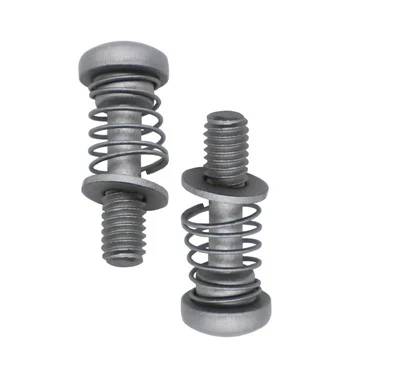
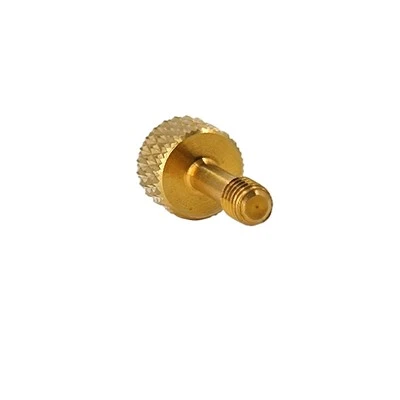
In modern industrial manufacturing, threaded connections are subjected to far greater stress than many people imagine. Mechanical vibration, repeated assembly and disassembly, thermal expansion and contraction, corrosive environments, and high mechanical loads all gradually weaken the strength of threaded holes over time.
To improve the reliability and service life of threaded connections, more and more engineers and fastener manufacturers are using Stainless Steel Hex Inserts as a thread reinforcement solution.
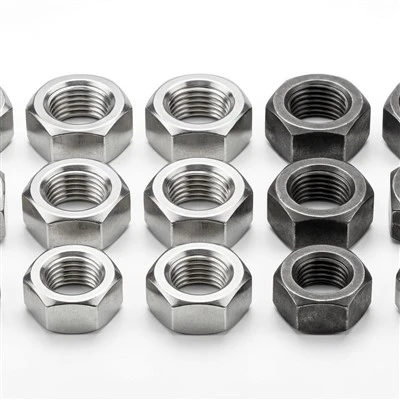
A stainless steel hex insert is a solid threaded insert with internal threads and an external hexagonal structure. Once installed, it creates a stronger, more wear-resistant threaded connection within the substrate, allowing it to withstand higher torque, more frequent assembly and disassembly, and harsher working environments.
Compared to ordinary tapped threads, it has several important advantages:
Increased thread strength
Reduced risk of stripping
Enhanced vibration resistance
Extended service life
Improved corrosion resistance
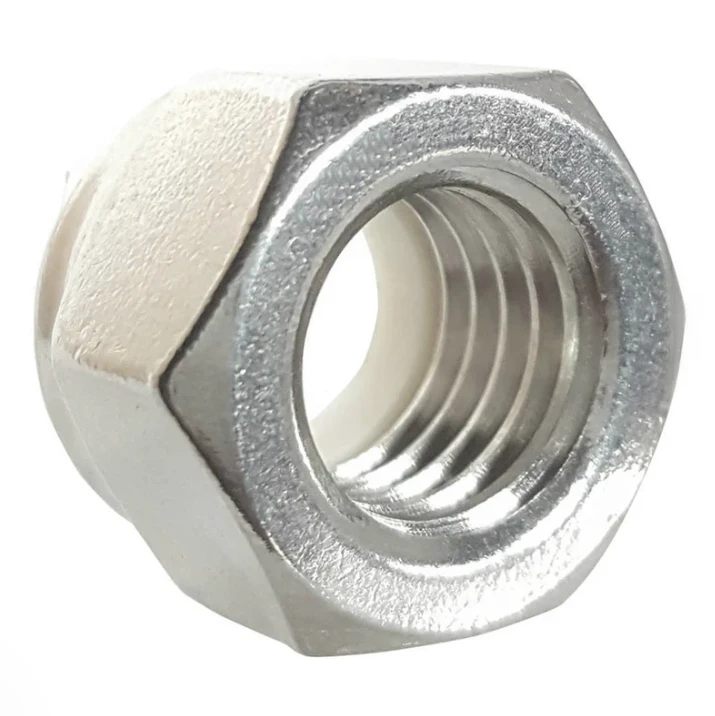
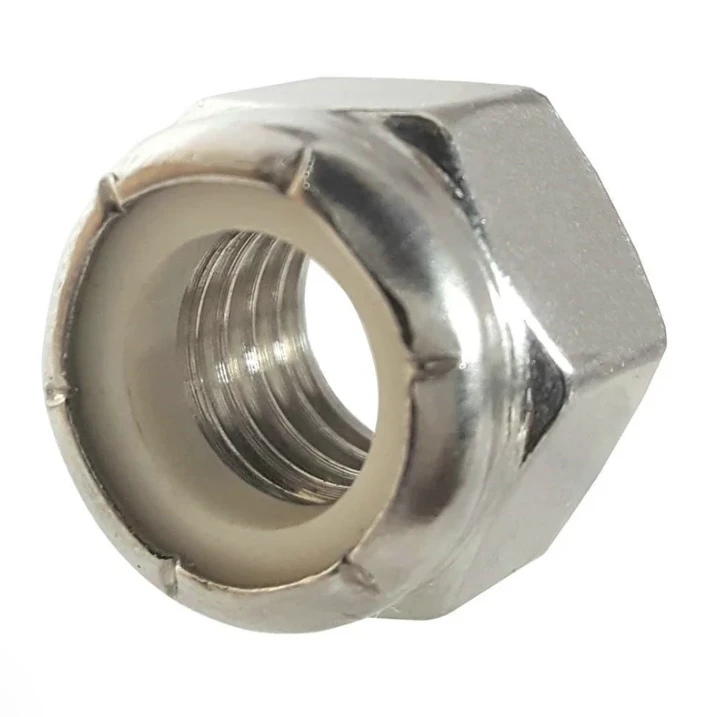
How does a stainless steel hex insert work?
After drilling and tapping the substrate, the hexagonal insert is installed into the pre-machined hole. Once screwed in, the outer hexagonal structure forms a strong mechanical lock with the surrounding material.
First, it prevents the insert from rotating under high torque or vibration conditions. In many industrial devices, long-term vibration or cyclic loads can gradually loosen ordinary threaded connections, while the hexagonal structure effectively improves resistance to rotation.
Second, it distributes mechanical loads more evenly. Without a threaded insert, stress concentration can easily occur around the threaded area, potentially leading to cracking, deformation, or stripping over time. The hexagonal insert distributes the load over a larger contact area, reducing localized stress.
Third, the internal threads of stainless steel have higher strength than aluminum or plastic, allowing it to withstand more assembly and disassembly cycles without rapid wear.
Why are hexagonal inserts made of stainless steel?
Material selection has a significant impact on the performance of threaded inserts. While inserts can also be made of carbon steel, brass, or alloy steel, stainless steel remains one of the most common choices in industrial fasteners.
The primary reason is its corrosion resistance.
In humid or chemically corrosive environments, corrosion around threaded connections gradually reduces fastening reliability over time. In severe cases, rust can even prevent subsequent disassembly.
The most common materials include:
304 stainless steel
316 stainless steel
304 Stainless Steel Inserts
304 stainless steel is used in general industrial environments because it achieves a good balance between corrosion resistance, mechanical strength, cost, and processability.
It is suitable for:
Indoor mechanical equipment
Automated equipment
Electrical enclosures
General industrial assemblies
For most conventional industrial environments, 304 stainless steel provides sufficient durability.
316 Stainless Steel Inserts
316 stainless steel contains molybdenum, giving it superior resistance to salt spray and chloride ion corrosion.
Therefore, it is widely used in:
Marine equipment
Offshore platforms
Chemical systems
Food processing equipment
Medical equipment
Although 316 is more expensive, it often offers a longer service life and reduces the frequency of maintenance in highly corrosive environments.
Key advantages of stainless steel hex inserts
Enhancing Thread Strength in Soft Materials
While aluminum and plastics are lightweight and inexpensive, their threads are prone to damage after repeated stress. Stainless steel hex inserts create a stronger thread interface, allowing them to withstand higher torque and more frequent assembly/disassembly.
This is particularly important in the following industries:
Automotive
Aerospace
Industrial maintenance equipment
Without thread reinforcement, stripping often leads to costly parts replacements.
Enhanced Vibration Resistance
Many industrial equipment operates in vibrating environments for extended periods, which can gradually loosen threaded connections. Because hexagonal inserts are mechanically locked into the substrate, they offer significantly greater resistance to vibration and rotation.
This is a key reason why they are widely used in engines, pumps, compressors, heavy machinery, and transportation equipment.
Longer Equipment Lifespan
Thread damage is a very common maintenance problem in industrial equipment.
Once a thread is damaged, repairs are usually both expensive and time-consuming. Using stainless steel hex inserts can effectively reduce thread wear and extend equipment life.
Corrosion Resistance in Harsh Environments
In marine and outdoor environments, corrosion is one of the leading causes of fastener failure. Compared to galvanized carbon steel inserts, stainless steel inserts offer longer-lasting and more stable corrosion resistance. This corrosion resistance is particularly important for equipment exposed to moisture or salt spray environments for extended periods.
Common Applications of Stainless Steel Hex Inserts
Automotive Industry
Automakers extensively use stainless steel threaded inserts in engines, transmissions, suspension systems, and aluminum alloy structural components.
Aerospace Industry
The aerospace industry demands both lightweight construction and high strength. Therefore, aircraft structural components typically utilize aluminum alloys and composite materials, while stainless steel inserts provide reliable, high-strength connection points.
Industrial Machinery
Industrial equipment requires frequent maintenance and repeated disassembly and assembly, making threaded holes highly susceptible to wear. Hex inserts effectively protect these critical connection points and reduce long-term maintenance costs.
Marine Equipment
316 stainless steel hex inserts are widely used in: marine equipment, marine engines, offshore equipment, and yacht hardware.
How to Choose the Right Stainless Steel Hex Insert
Substrate Type
For high-vibration aluminum applications, solid hex inserts are generally more suitable than standard wire thread inserts.
Corrosive Environment
304 stainless steel is sufficient for general indoor environments, but 316 stainless steel is typically recommended for marine, chemical, or outdoor environments.
Load and Torque Requirements
High mechanical load applications require higher strength threaded connections. Understanding the actual operating torque and stress conditions helps in proper selection.
Installation Conditions
In high-volume automated production, installation efficiency and tool compatibility also need to be considered.
Conclusion
Stainless steel hex inserts are an industrial solution that significantly improves thread strength, extends service life, and enhances fastening reliability.
Their solid structure and hexagonal locking design make them superior to conventional threaded connections in softer materials, vibrating environments, and highly corrosive conditions.
Whether in automotive manufacturing, aerospace, industrial machinery, or marine engineering, stainless steel threaded inserts help companies reduce maintenance issues and improve the long-term reliability of equipment.
FAQ
Q: What is the purpose of stainless steel hex inserts?
A: They are mainly used to enhance thread strength, repair damaged threads, and improve fastener durability in softer materials.
Q: Why are hex inserts better than regular threads?
A: Because they offer higher thread strength, better vibration resistance, and a longer service life.
Q: What is the minimum order quantity for fasteners?
A: The minimum order quantity varies depending on the manufacturing process and can be discussed.
Q: What are the advantages of stainless steel fasteners?
A: Stainless steel fasteners offer excellent corrosion resistance, high durability, strong mechanical performance, and a long service life.
Q: Can stainless steel hex inserts be customized?
A: Of course, you can contact Zeyao Hardware Factory, a factory specializing in the production of non-standard fasteners.