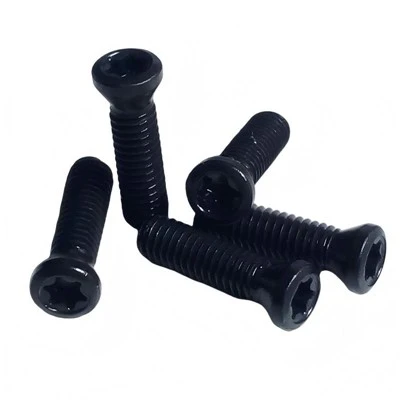
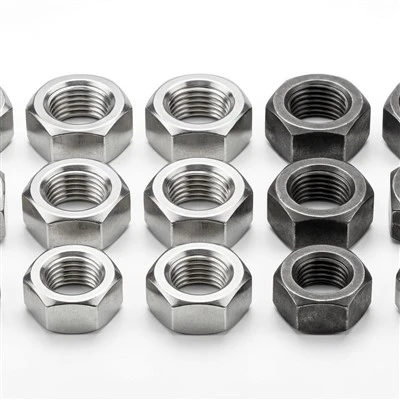
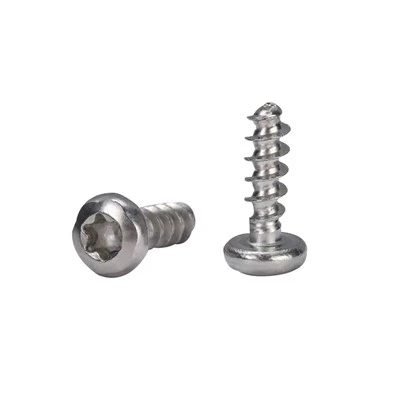
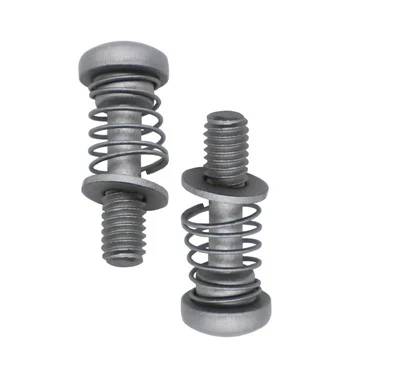
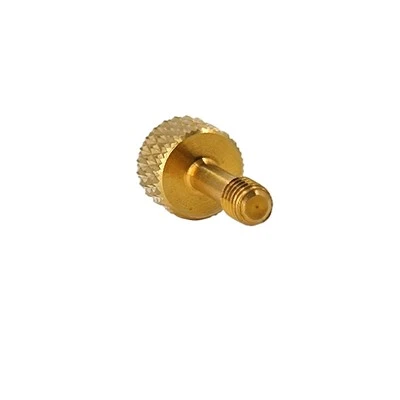
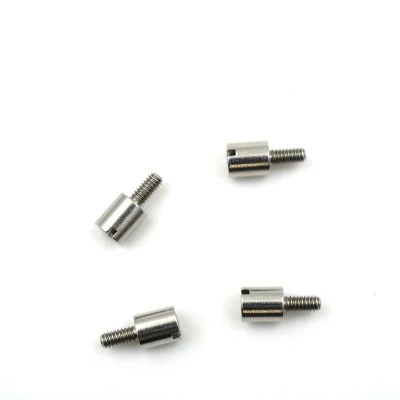
Stainless steel slotted screws are fasteners with threads on both ends and usually a threadless rod in the middle. M2-M5 specifications are suitable for electronic equipment, precision instruments, and small machinery assembly.
1. Correct use method
Preparation before installation: Check whether the threads are intact and confirm that the thread specifications at both ends are consistent.
Prepare a matching slotted screwdriver.
Installation steps
Pre-drilling: Select the appropriate drill bit to drill according to the table above
Tapping: Tap the parts that require internal threads (cobalt-containing taps are recommended for stainless steel)
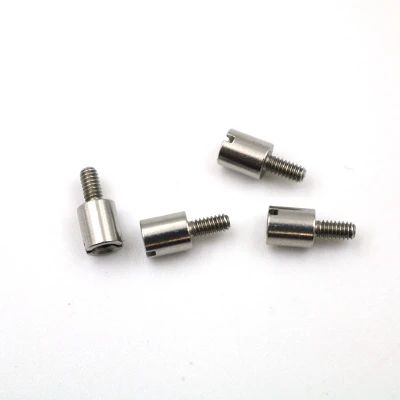
Preliminary fixation: First, screw the screw into the bottom hole by hand for 3-5 turns to ensure alignment
Final tightening: Use a flat-blade screwdriver to apply force evenly to avoid deflection
Reverse installation: When installing the matching parts at the other end, fix the installed end to prevent loosening
Special application skills
Anti-loosening treatment: Can be used with anti-loosening glue or double nut locking
Sealing application: Need to use sealing gaskets or thread sealants
Length selection: 1.5-2 pitches are preferred for exposed threads
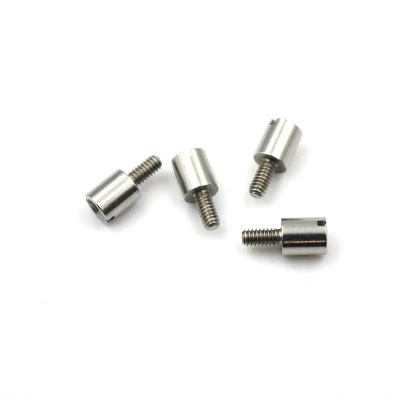
II. Precautions
Stainless steel screws are prone to "bite-hardness", it is recommended to apply special grease before installation
Slotted slots are more easily damaged. A high-precision screwdriver should be used, and vertical force should be applied
When removing rusty screws, soak them in penetrating oil first to avoid forced removal and causing thread slippage
Small-sized screws such as M2 have limited bearing capacity, so avoid overloading
3. Common Problem Treatment
Thread slippage treatment: Use rubber pads to increase friction or special thread slippage extractors
Head breakage treatment: Use a micro EDM machine or a reverse thread extractor
Cross slot damage: Use special tools for slots or pliers to rotate carefully
4. Maintenance suggestions
Check the tightening status regularly, especially for applications in vibration environments
Avoid using corrosive cleaning agents when cleaning
316 stainless steel is recommended for long-term exposure environments
Proper use of stainless steel internal and external thread screws can ensure connection reliability and durability, especially for precision assembly occasions that require two-way fixation.