Loose screws are a common problem in engineering assembly, furniture manufacturing, and machinery. So, how can we effectively prevent screws from loosening? Today, we'll discuss a few practical methods.
1. Choose the Right Screws and Materials
One of the root causes of loose screws is a mismatch between the screw material or type.
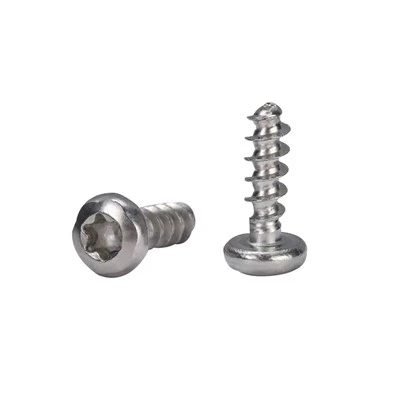
For wooden structures, it is recommended to use self-tapping wood screws or screws with threaded locking mechanisms.
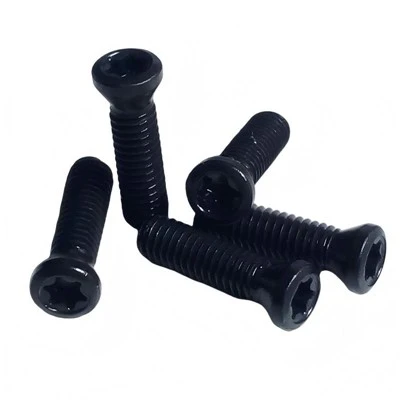
For machinery, choosing high-strength bolts or heat-treated screws provides greater stability.
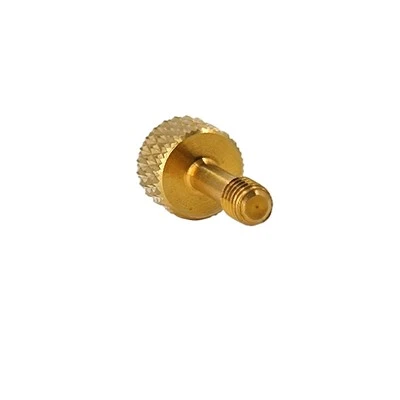
Regarding materials, brass, stainless steel, and carbon steel screws each have their own characteristics. Choose materials with high corrosion and rust resistance based on the operating environment.
2. Use Anti-Loosening Washers or Locking Devices
Screws are prone to loosening under vibration or load. Auxiliary parts can be used to enhance stability:
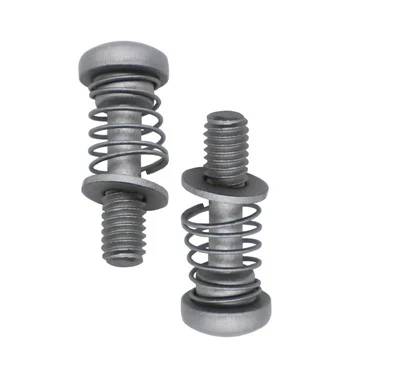
Spring Washers: Use spring force to keep screws tight, suitable for machinery with frequent vibration.
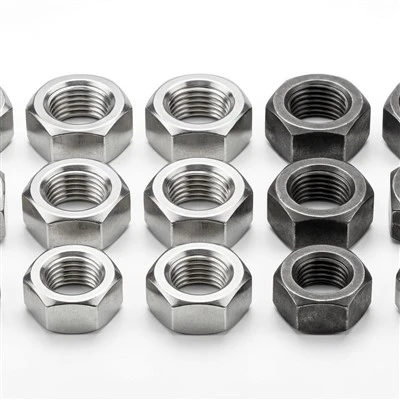
Nylon Lock Nuts: Contain a nylon ring to increase friction and prevent thread loosening.
Locking Washers/Double Nut Locking: Two nuts lock together, enhancing the fixing effect. These accessories are very common in industrial and furniture assembly, effectively improving screw tightness.
3. Correct Tightening Method
Tightening screws requires not only tightening them all the way, but also attention to force and sequence:
Use a torque tool: This ensures consistent torque on each screw, preventing uneven tightening.
Tighten in a crisscross sequence: Especially for multi-hole connections, crisscross tightening distributes stress, reducing the risk of loosening.
Avoid overtightening: Overtightening can damage threads or materials, actually increasing the chance of loosening.
4. Using Threadlocker
For screws prone to vibration or high loads, use threadlocker (such as Loctite):
This increases friction, preventing the screw from loosening on its own.
Removable or permanent threadlockers can be selected depending on the needs.
Suitable for metal, plastic, and composite material connections.
5. Regular Inspection and Maintenance
Even with anti-loosening screws, regular inspection is recommended:
Check for looseness, wear, or rust.
Replace damaged screws or washers promptly.
For critical equipment, a regular maintenance schedule can be established to reduce the risk of accidents.
6. Summary
The main methods to prevent screws from loosening are:
Selecting screws of appropriate material and type;
Using anti-loosening accessories such as spring washers and lock nuts;
Tightening in the correct sequence and torque;
Using thread-locking compound when necessary;
Regular inspection and maintenance.
By using the above methods, the safety hazards caused by loose screws can be greatly reduced.