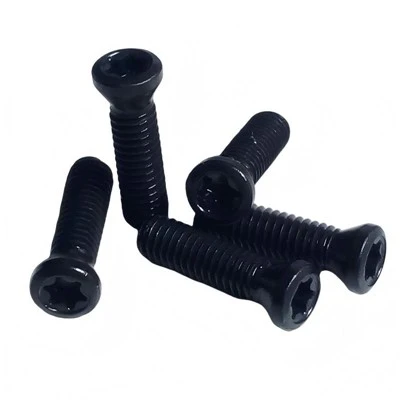
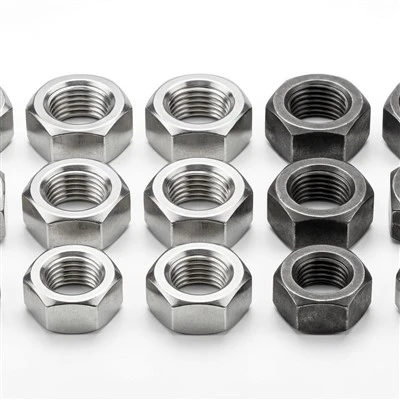
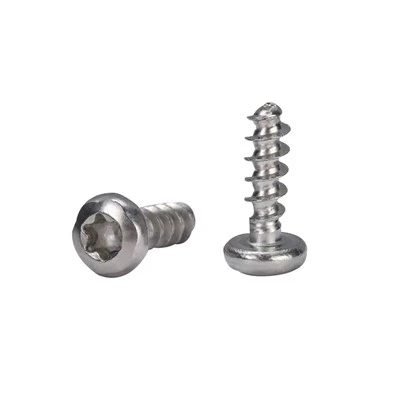
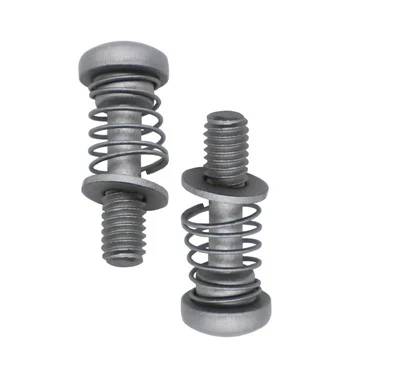
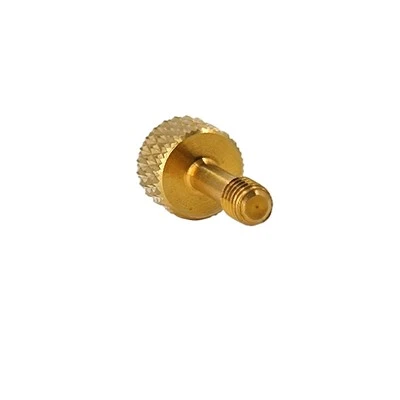
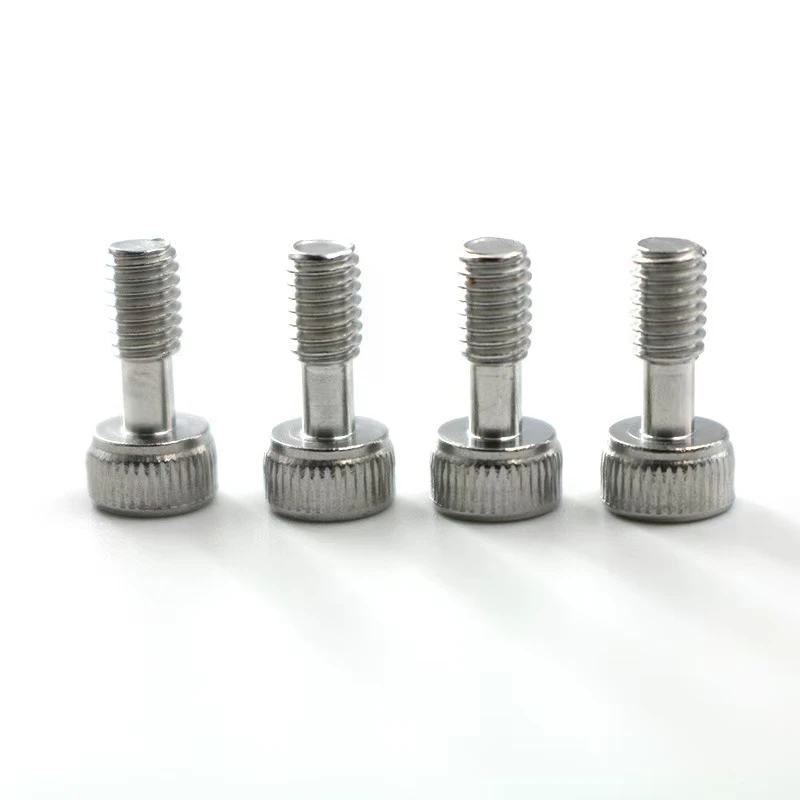
304/316 stainless steel captive hexagon socket head screws are designed to provide reliable fastening force while permanently securing the screws to pre-assembled components, preventing them from falling out or being lost during vibration, disassembly, or inversion. This is their value proposition, and the following explains how to use them.
I. Application Scenarios
Captive screws are designed to solve specific problems and are commonly used in the following areas:
Equipment panels and covers: chassis side panels, electrical control cabinet doors, equipment access covers, etc. During maintenance, screws are prevented from falling into the equipment or becoming lost, facilitating easy access.
Aerospace and Transportation: Prevent fasteners from loosening and falling out in vibrating environments, potentially leading to safety accidents.
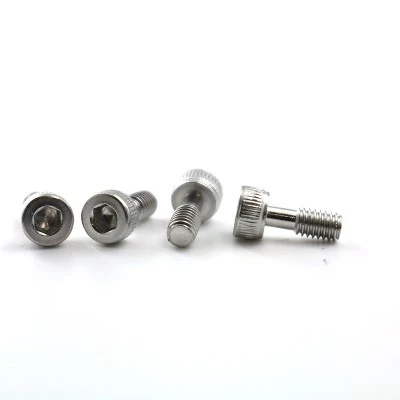
Precision Instruments and Electronic Equipment: Prevent metal screws from falling out, causing short circuits or damaging precision components.
Assembly Line Production and Equipment with Frequent Maintenance: Improve assembly and repair efficiency, eliminating the need to search for and replace lost screws.
II. Usage and Installation Steps
Preparation
First, confirm the screw specifications: confirm the screw's diameter, length, pitch, and stainless steel material.
Choosing the right tool: Use an Allen wrench or bit that precisely matches the hexagonal socket of the screw. Tool size mismatch is the main cause of thread stripping. It's recommended to use high-quality, brand-name tools to ensure hardness and precision.
Installation Inspection
Substrate Hole (Threaded Panel): The threads should be smooth, free of rust and impurities. For soft materials such as aluminum alloy, using a wire thread insert is recommended to increase thread strength and lifespan.
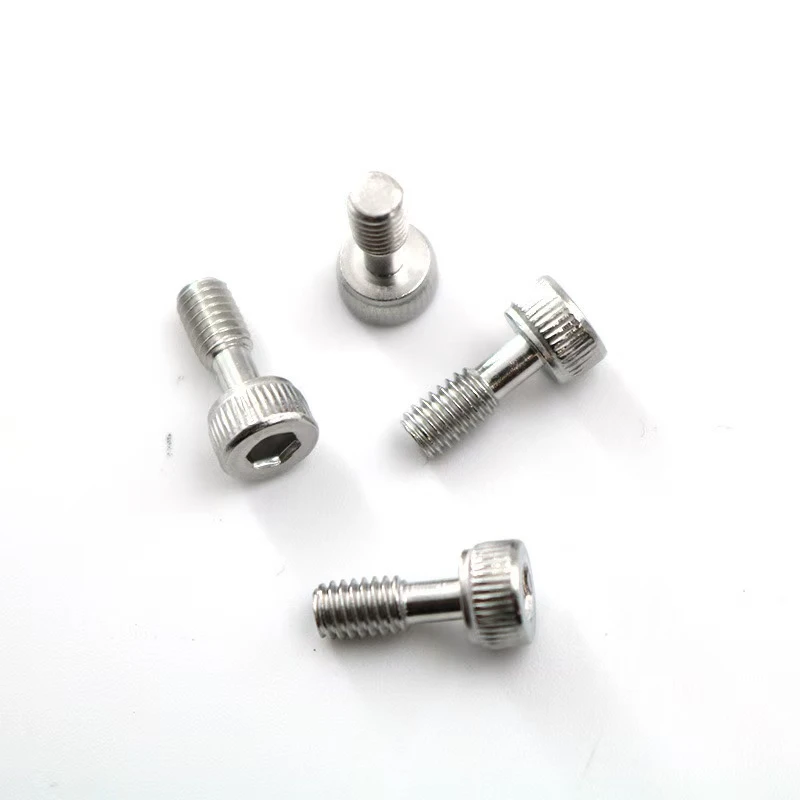
Panel Hole (Screw Insertion): This hole is typically a plain hole. Its diameter should be slightly larger than the major diameter of the screw thread, but smaller than the outer diameter of the annular groove or retaining ring under the screw head. This is crucial for achieving a "lock-out" feature.
Installation Steps
Inserting the Screw: Insert the screw from the front of the panel hole (plain hole) (usually the side with the screw head). You will feel an interference fit between the retaining ring or groove of the screw and the hole wall. Gently press or tap to secure it.
Initial Securement: Once the screw is securely seated in the panel, it will not fall out even if the panel is turned upside down. Then, align the panel with the threaded substrate to be connected.
Tightening the Screws: Fully insert a suitable Allen wrench into the screw head. Apply firm, steady force in a clockwise motion.
Controlling Torque: Stainless steel screws, especially 316, are soft and prone to cold welding. Avoid overtightening. We recommend using a torque wrench and referencing the recommended torque values in the table below, but these are for reference only.
Removal Procedure
Turning the wrench counterclockwise will easily loosen the screw. Once the screw is fully threaded out of the baseplate threaded hole, it will remain securely in the panel mounting hole thanks to its captive design. The panel can now be removed for maintenance. The screws do not need to be stored separately, greatly facilitating subsequent reinstallation.

III. Important Notes and Common Problems
Seize: In the absence of lubrication, the heat and pressure generated by friction between stainless steel threads can cause the metal surface molecules to adhere to each other, resulting in "cold welding" (seize), a condition known as seizure, making the screw impossible to remove.
Prevention: Always use a torque wrench and avoid over-torqueing. Keep the threads clean and free of metal debris and contaminants.
Lubricant: Applying a special molybdenum disulfide or anti-seize paste to the screw threads can significantly reduce the risk of galling. Note: Certain industries requiring cleanliness (such as food and semiconductors) require specific lubricants.
Tool Slippage and Stripping:
Causes: Using a worn, undersized, or low-quality Allen wrench; not fully inserting the wrench into the hole; applying torque at an angle.
Prevention: Use high-quality, dimensionally accurate tools and ensure that force is applied vertically and completely.
Corrosion Issues:
Even though stainless steel is present, it can still suffer from pitting or stress corrosion cracking in extreme environments containing chloride ions (such as seawater and salt spray).
Alternatives: In harsh environments, 316 stainless steel is a far superior choice over 304.
Panel Hole Size: The diameter of the panel hole is crucial to the "lock-out" design. If the hole is too large, the circlip will not be able to effectively engage, and the screw will lose its lock-out function. If the hole is too small, the screw will be difficult or impossible to install.
304/316 stainless steel DIN 912 captive hexagon socket screws are an efficient and reliable fastening solution, offering a perfect balance of corrosion resistance, convenience and safety.