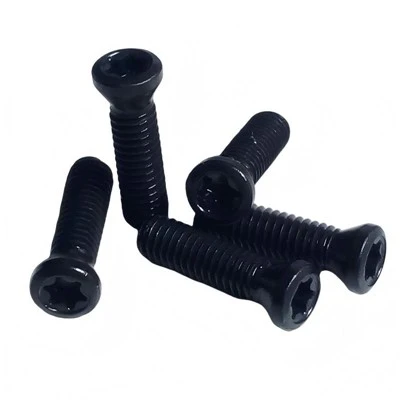
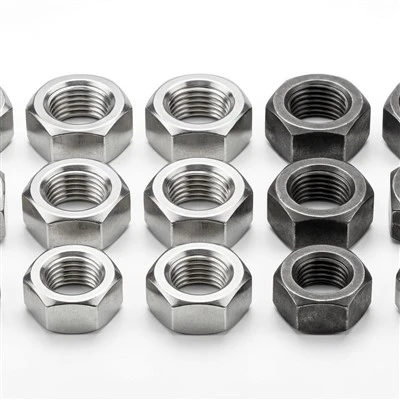
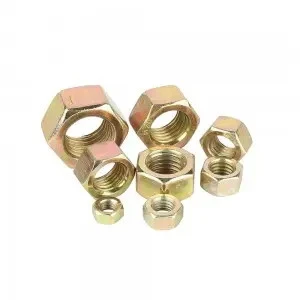
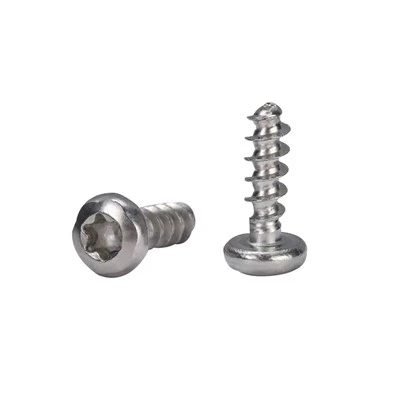
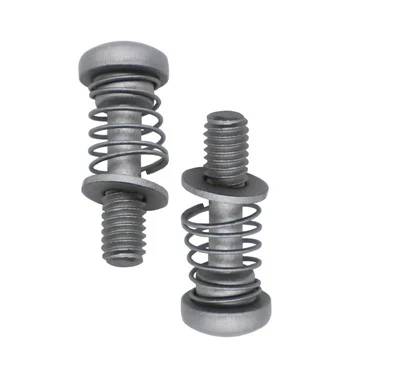
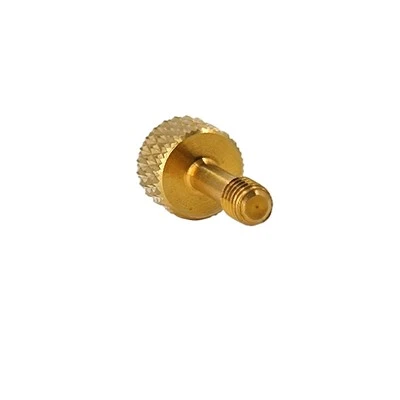
The production and use of multi-station cold forging hexagon socket screws involve multiple links, which need to be optimized in combination with process characteristics and application scenarios. The following is a detailed usage method and precautions, which are explained in modules.
1. How to use in the production stage
Material selection and pretreatment
Material: Commonly used materials include low-carbon steel and medium-carbon steel; stainless steel 304 is used in scenarios requiring corrosion resistance.
Annealing treatment: Wire needs spheroidizing annealing to improve plasticity and avoid cold forging cracking.
Phosphating/saponification: Surface lubrication treatment reduces mold wear and reduces the cold forging friction coefficient.
Multi-station cold forging process
Station division: 1st station: cutting, performing; 2nd station: initial forming of the forging head; 3rd station: hexagonal punching; 4~5th station: head finishing, thread blank diameter reduction.
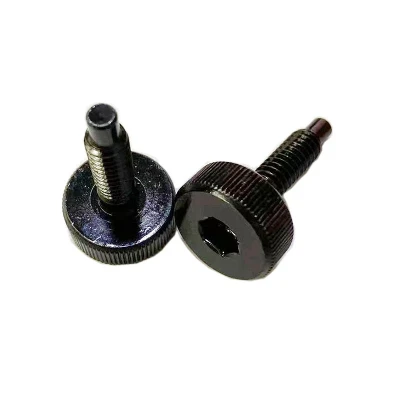
Thread processing
Rolling process: Use a double-wheel rolling machine with a rotation speed of 20~30rpm and a pitch error control within ±0.02mm.
Thread rolling process: higher efficiency but slightly lower precision.
2. Application stage usage method
Assembly tool selection
Wrench matching: The size of the opposite sides of the hexagon socket must strictly comply with the ISO 2936 standard.
Torque control: It is recommended to use a torque wrench.
Screw specifications M4 M6 M8 M10
Standard torque (N·m) 3.2 7.5 16 30
Installation precautions
Preload control: The axial preload must reach 70%~80% of the bolt yield strength.

Lubrication effect: The torque needs to be reduced by 20% when applying grease
Anti-loosening measures: It is recommended to install a disc washer under high temperature conditions.
Failure prevention
Overload protection: Fatigue strength should be verified under dynamic load (the fatigue limit of 8.8-grade bolts is about ±120MPa).
Corrosion protection: When the salt spray test requirement is >96h, Dacromet coating should be used.
3. Special scene application
High-strength connection: Screws of grade 10.9 and above need to use warm forging process to avoid cold work hardening and cracking.
Micro screws: Specifications below M1.6 need to use a 2-station micro cold forging machine.
Non-standard customization: Head shape requires a multi-stage finishing mold design.
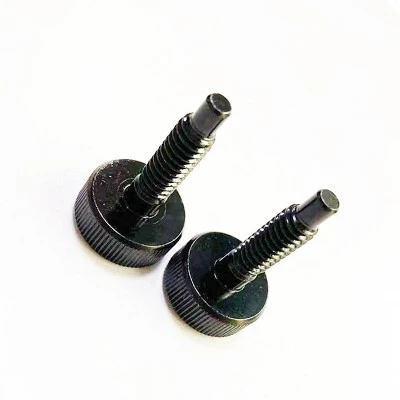
4. Maintenance and inspection
Regular inspection
Ultrasonic flaw detection: Detect internal cracks.
Torque attenuation test: Torque drop should be <15% after repeated disassembly 5 times.
Mold maintenance
Check the wear of the punch every 8 hours (maximum wear allowable 0.01mm), and use a VDI 30 grade carbide mold.
The above method can significantly improve the product qualification rate and service life. The specific parameters need to be adjusted according to the actual working conditions. It is recommended to establish a complete process database for precise control.