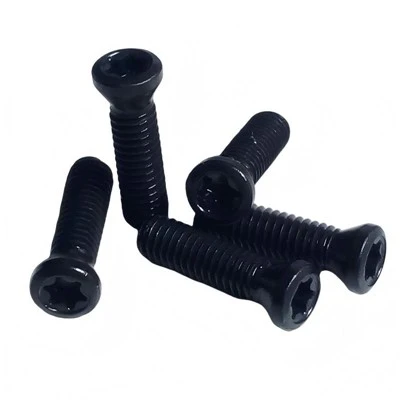
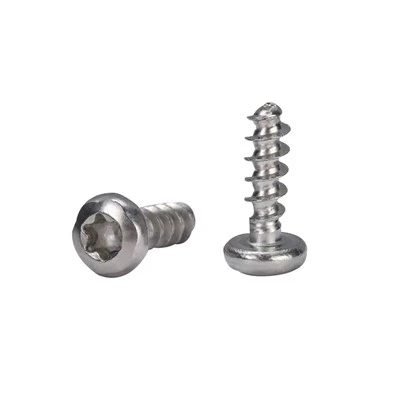
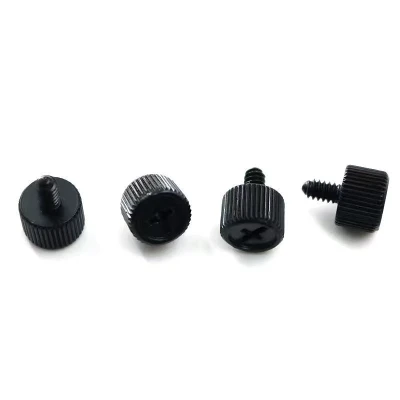
The following are detailed instructions for using these US-standard 6-32 die-formed, electrophoretic black, high-salt-spray, straight-grain knurled, cross-recessed, cold-forged thumb screws, covering both technical essentials and practical guidance.
I. Confirming Basic Screw Parameters
Specifications: US-standard 6-32 thread, requiring matching nuts or threaded holes of the same standard.
Surface Treatment: Electrophoretic black coating provides high salt-spray protection (typically passing a neutral salt-spray test for at least 500 hours), suitable for use in humid or corrosive environments (such as outdoor equipment and marine facilities).
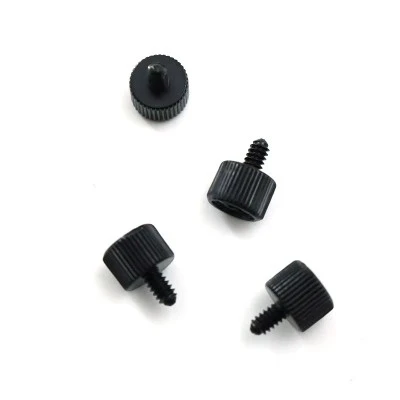
Structural Features: Straight-grain knurled head: Provides a non-slip texture for easy finger-tightening, suitable for frequent manual adjustments.
Cross-recessed head: Phillips screwdrivers can be used for assisted tightening, accommodating both manual and tool-operated operations.
Cold-forging process: High-strength head, superior to turned screws in shear resistance.
II. Usage Instructions and Precautions
1. Pre-Installation Preparation
Compatibility Check: Confirm that the material of the connected component matches the strength of the screw to avoid overload and breakage.
Hole Matching: Blind hole depth ≥ screw insertion length + 1.5 times the thread pitch.
The through-hole diameter is recommended to be 0.1-0.3mm larger than the major thread diameter.
Surface Cleaning: Remove oil and debris from the hole to ensure a tight adhesion of the electrophoretic coating to the substrate.
2. Manual Installation
Hand-tightening: Pinch the knurled head and turn clockwise. After initial thread alignment, apply even force. The straight knurled design maintains grip even when stained with oil or sweat.
Assistive Tools: If a higher torque is required, use a Phillips screwdriver inserted into the notch to apply force. Avoid applying force at an angle, which may damage the notch.
3. Tightening Control
Torque Recommendation: The typical tightening torque for 6-32 screws is 0.9-1.2 N·m (refer to the specific material grade).
Anti-loosening Measures: In vibrating environments, it is recommended to use an elastic washer or thread sealant.
4. Maintenance and Disassembly
Regular Inspection: In high salt spray environments, inspect the coating for peeling or substrate rust every six months.
Disassembly Method: Tighten counterclockwise by hand or using a Phillips screwdriver. If rust is severe, spray with a loosening agent and soak before proceeding.
III. Typical Application Scenarios
Applicable Applications: Instrument panels, electronic equipment housings, outdoor lighting, automotive accessories, and other applications requiring frequent manual adjustment and corrosion resistance.

Contraindications: Heavy-loaded structures exceeding the screw's shear strength and prolonged exposure to temperatures exceeding 120°C may degrade the performance of the electrophoretic coating.
IV. Troubleshooting Problems
Problem 1: The Screw slips and cannot be tightened
Cause: Worn or misaligned threaded hole.
Remedy: Replace the threaded insert or use a slightly larger self-tapping screw.
Problem 2: Coating wear on the knurled head
Cause: Friction from frequent manual tightening.
Prevention: Wear non-slip gloves during operation to reduce direct friction.
Following these steps will ensure the screw performs optimally while balancing convenience and corrosion resistance. In actual use, the operating details need to be adjusted according to the specific working conditions.