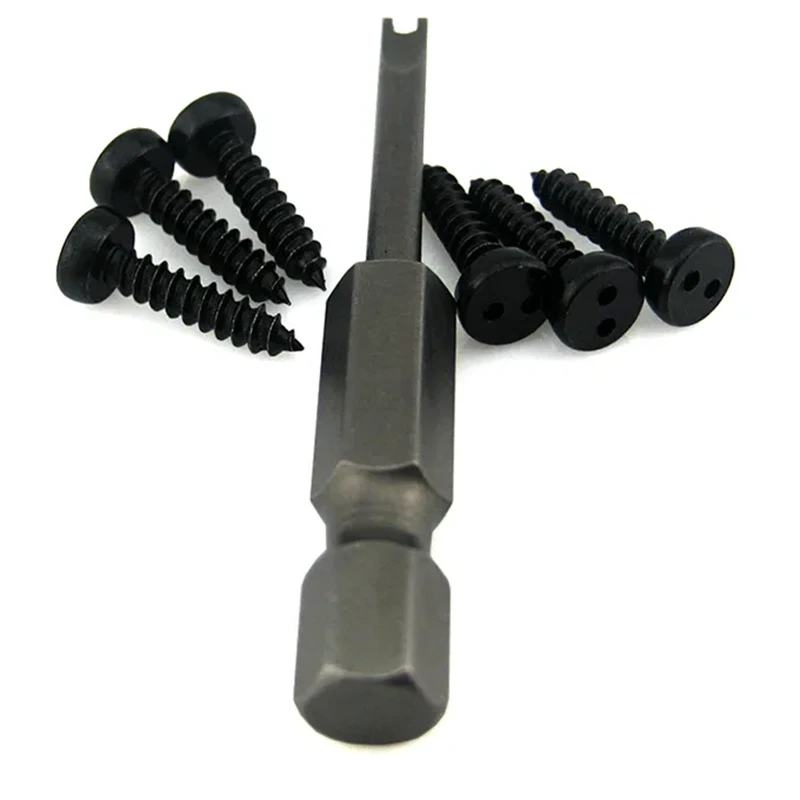
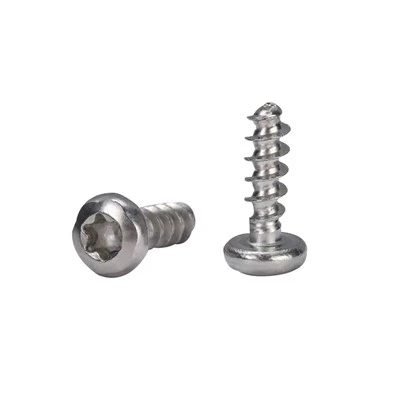
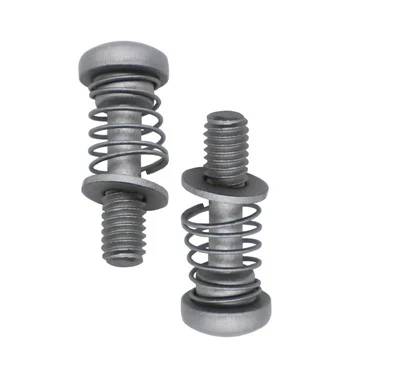
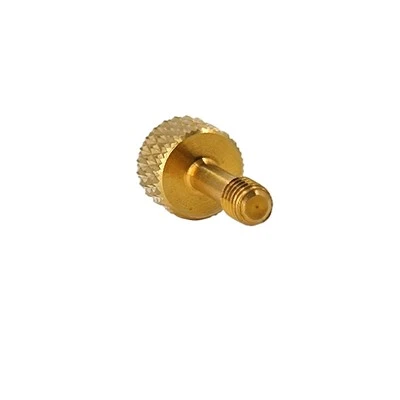
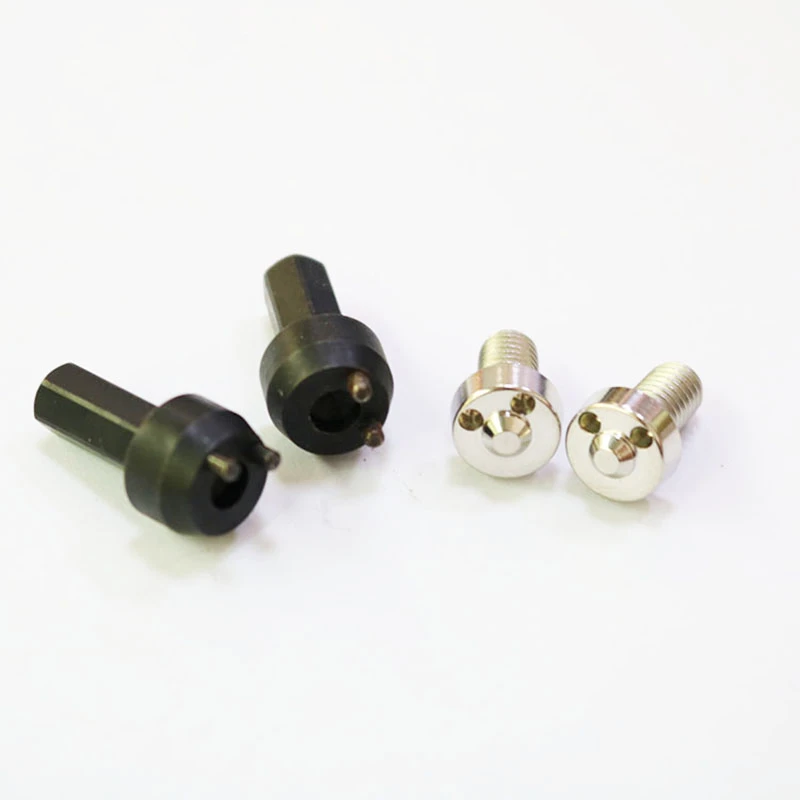
The Snake-Eye Security Screw has become the preferred fastener for high-security scenarios due to its unique anti-disassembly design. Its head is designed with two precision circular grooves, shaped like snake eyes, and must be operated with a special double-pin snake-eye wrench. This screw is widely used in public facilities (such as subway handrails, power cabinets), high-value equipment (vending machines, medical instruments), and electronic product housings that need to be resistant to damage. Compared with ordinary screws, it not only provides physical protection but also effectively prevents malicious disassembly by non-professionals, taking into account functionality and safety.
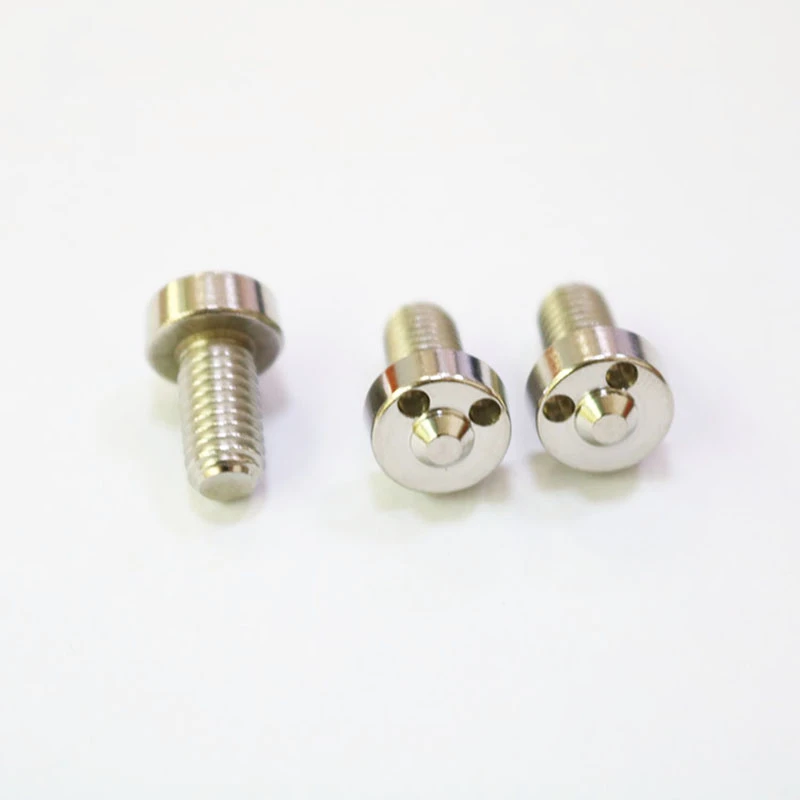
Before installation, make sure that the pin diameter of the snake-eye wrench is completely consistent with the screw groove. Poor quality or mis-sized tools may cause the edge of the groove to crack or even permanently damage the screw structure. It is recommended to use a chrome-vanadium steel wrench to ensure strength and durability.
Insert the two pins of the wrench vertically into the groove and apply slight downward pressure to keep the contact surface stable. If the alignment is tilted, there is a risk of slippage during rotation. For precision equipment, it is recommended to use a wrench with a magnetic head to prevent the tool from falling off during operation.
When maintenance or replacement is required, a standardized disassembly process is essential. First, clean the dirt on the surface of the screw to ensure that the wrench can be fully embedded in the groove. If rust is encountered, the screw can be locally heated to about 80°C with a hot air gun (to avoid affecting the surrounding materials), and then sprayed with a metal loosening agent to assist in decomposition. For stubborn screws, an impact snake eye wrench can be used to break the rust layer through high-frequency vibration.
If the tool is lost or the groove is damaged, try the following methods: Use a micro electric grinder to open a slot on the screw head and switch to an ordinary screwdriver (which will destroy the anti-dismantling function). Use a left-hand drill bit to reverse drill and use a broken wire extractor to remove the remaining parts. Note: These methods are destructive operations and are only used in emergencies.