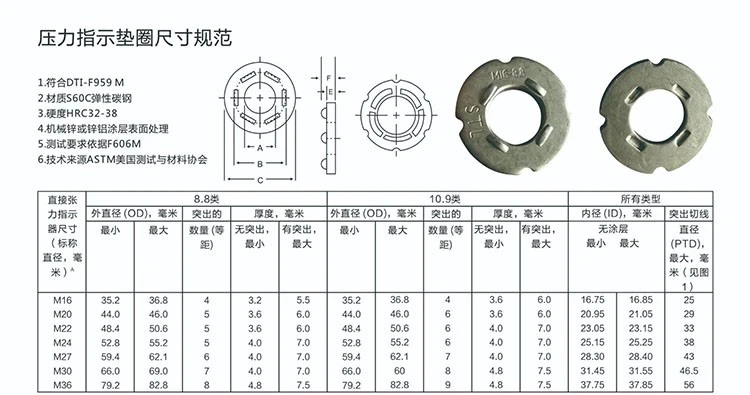
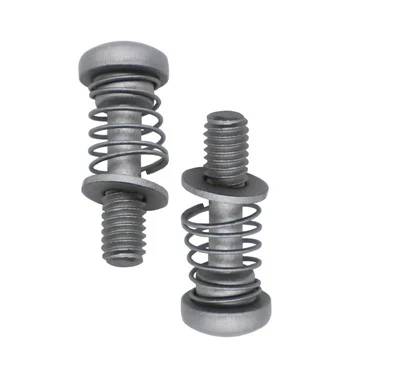
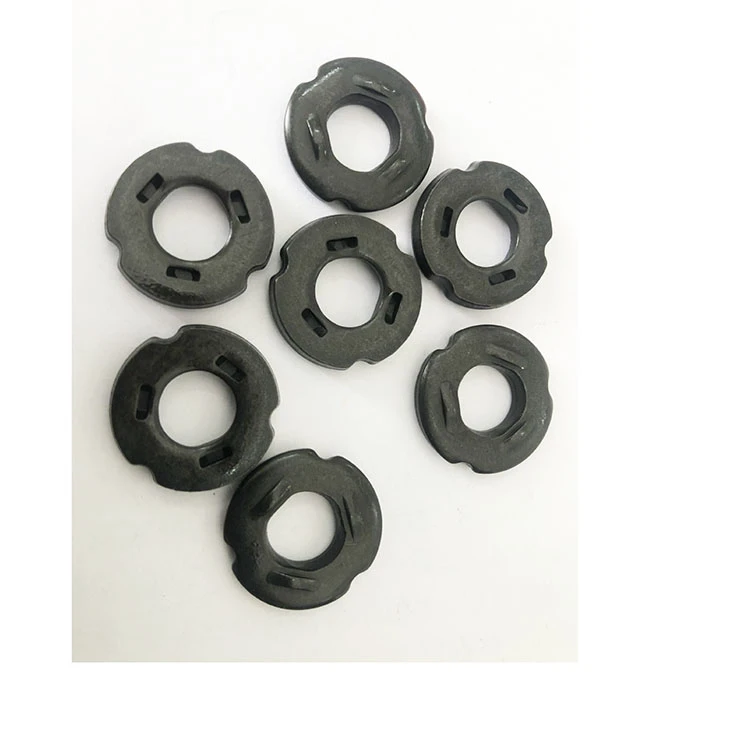
DTI (Direct-Tension-Indicator) washers, commonly translated as load-indicating washers, pressure-indicating washers, or axial force-indicating washers, were first documented in British literature as early as 1962 and are now widely used in the steel structure markets of Europe and America. Products featuring DTI washers are frequently showcased at exhibitions related to steel structures and fasteners in these regions. While Chinese manufacturers have been producing DTI washers for overseas markets, domestic design and construction specifications for steel structures have not included DTI until recently. The revised JGJ82 standard has now incorporated content on DTI washers. The 2018 release of GB/T32076.10 introduced DTI washers in Appendix A for the first time, and the National Fastener Standardization Committee has already initiated the product standard for DTI washers, integrating it into the GB/T32076 series.
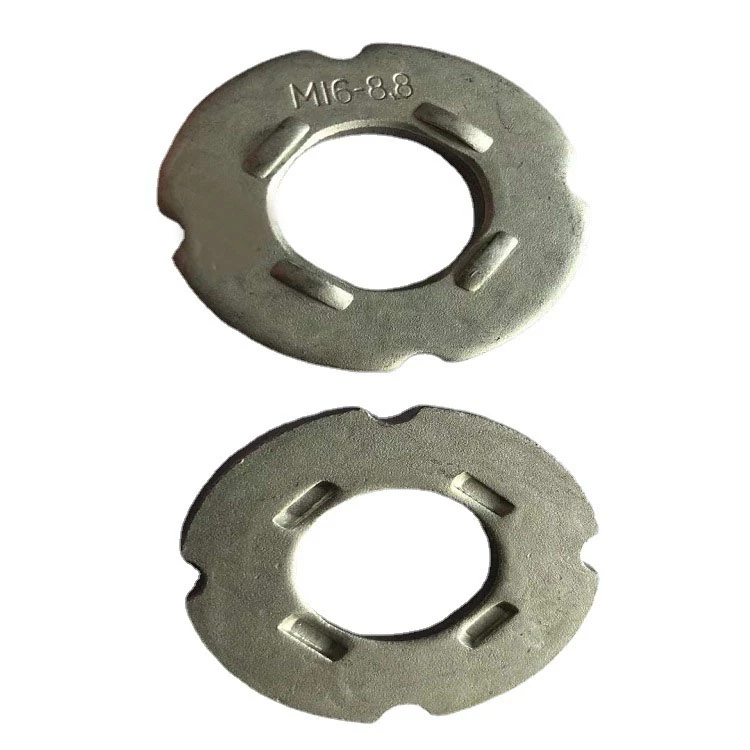
According to foreign research literature, DTI washers primarily address the challenge of inspecting connection quality after the final tightening of high-strength bolt assemblies, which differs from the widespread belief among domestic experts that DTI washers are intended for controlling pre-tension during construction. Construction specifications in the EU and the US also confirm that DTI washers are designed to facilitate post-tightening inspections. Both RCSC2020 and EN1090-2 specify that the final tightening of DTI washers follows traditional torque or angle methods, with the gap of the DTI washer checked using a feeler gauge only after tightening is completed.
In China, torque-controlled methods are commonly used for the construction of hex head high-strength bolts, and final torque inspection can be conducted using methods such as the snug-tight or loosen-and-retighten techniques to measure the residual torque of the assembly. As a result, the issues encountered in Europe and the US, particularly in America, during final inspections are not widely experienced. In the US, the steel structure industry predominantly uses the angle-controlled method for high-strength bolts, with minimal consideration given to residual torque measurements for inspecting final connection quality.
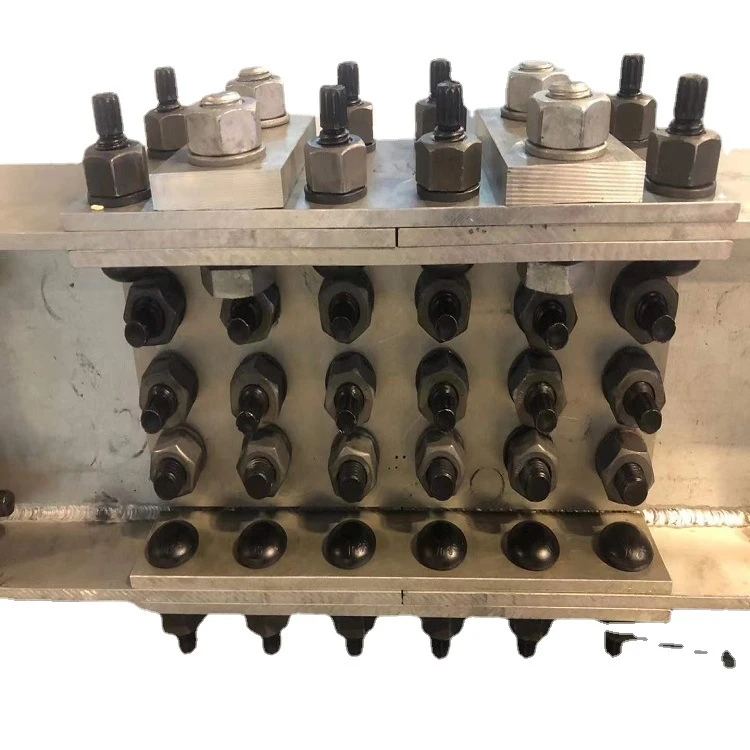
In the US, independent third-party bolt connection inspection services charge over $100 per hour. The use of DTI washers significantly reduces the time required for inspection projects, making checks easier, faster, and simpler. Additionally, DTI inspections can be handled by a single inspector, whereas residual torque inspections in the EU using calibrated torque wrenches often require two or more workers.
European and American scholars generally argue that third-party inspections are time-consuming and can delay installation progress. On-site inspections require coordination from contractors to provide necessary support (labor, space, equipment), which can interfere with normal construction activities. Contractors often view third-party inspections as slow, costly, or inaccurate, inevitably causing unnecessary project delays.
However, the widespread application of DTI washers has also revealed several limitations. First, classic DTI washers cannot provide real-time indications of pre-tension. Whether using torque or angle methods, classic DTI washers do not offer intuitive feedback during the tightening process to confirm whether the pre-tension meets requirements. Contractors cannot simultaneously tighten and check gaps or intermittently pause the tightening process to measure with a feeler gauge.
The second drawback is that classic DTI washers can indicate under-tightening but cannot detect over-tightening. The steel structure industries in Europe and America are more tolerant of over-tightening high-strength bolts compared to China, so this shortcoming is not a major concern in those regions. In China, however, due to excessive marketing by manufacturers promoting anti-loosening solutions for high-strength bolts, public anxiety has been artificially heightened. This has led to a lack of scientific understanding among relevant leaders and the general public regarding delayed fracture of high-strength bolts, resulting in an almost zero-tolerance attitude that extends far beyond technical considerations. Since over-tightening is a primary cause of delayed fracture in high-strength bolts, preventing over-tightening has become a critical need in China today.
Conclusion
DTI washers have been used in Europe and America for over 60 years and remain widely applied. Numerous overseas scholars, designers, and engineers have published various research findings, though my limited English proficiency prevents me from conducting in-depth study and verification. A cursory review of foreign research literature reveals many conclusions that differ significantly from my intuitive understanding of DTI washers. The industry in Europe and America generally believes that DTI washers accelerate installation and inspection, reduce project costs, and improve efficiency and reliability. They are also considered effective in reducing long-term pre-tension loss, providing vibration damping, shock absorption, and anti-loosening properties. It is hoped that domestic engineers and technicians will conduct more research, testing, and improvements on DTI washers.