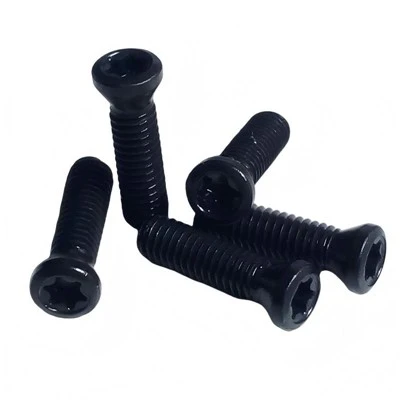
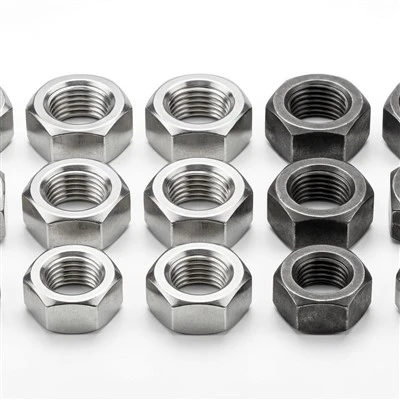
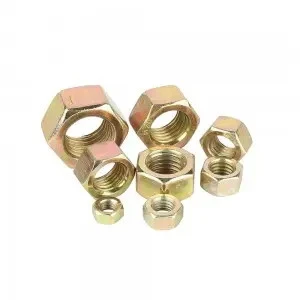
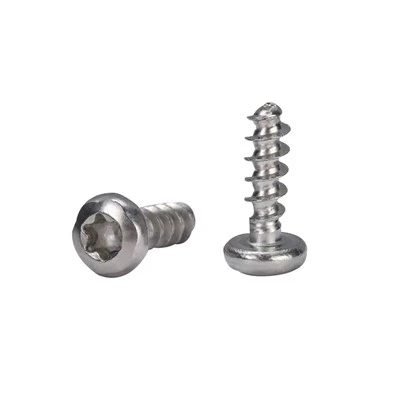
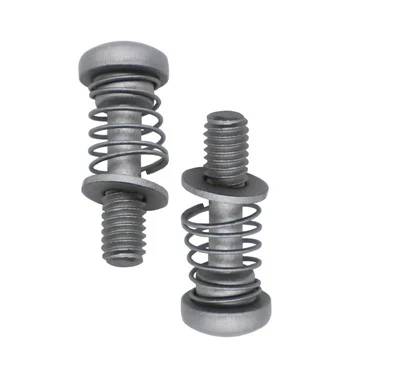
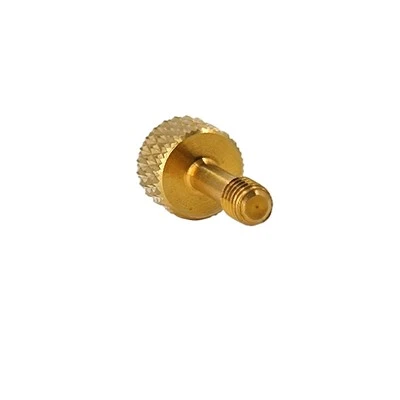
Screws are ubiquitous in our daily lives. Furniture, appliances, cars, cell phones... almost every product you see likely has a tiny screw inside. Despite its small size, it serves a significant purpose. Today, let's talk about this tiny screw.
Simply put, a screw is a small metal part used to connect or secure two objects. It typically consists of a head and a threaded shank. You tighten it with a screwdriver, firmly securing two objects together.
What types of screws are there?
Self-tapping screws: These screws drill into the material themselves and are commonly used in wood and thin metal.
Machine screws: These screws require a nut or internally threaded hole and are commonly found in electronic and mechanical equipment.
Wood screws: These screws are specifically designed for wood products and have a larger pitch, making them easier to screw into wood.
Bolts: These are larger than regular screws and are often used in industrial applications, such as automobiles and bridges.
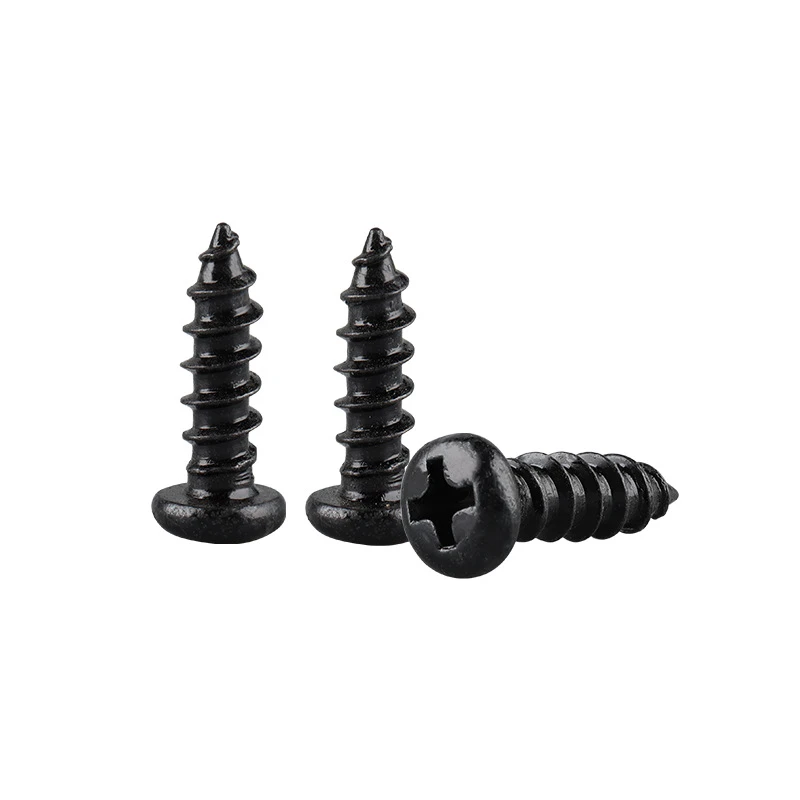 |
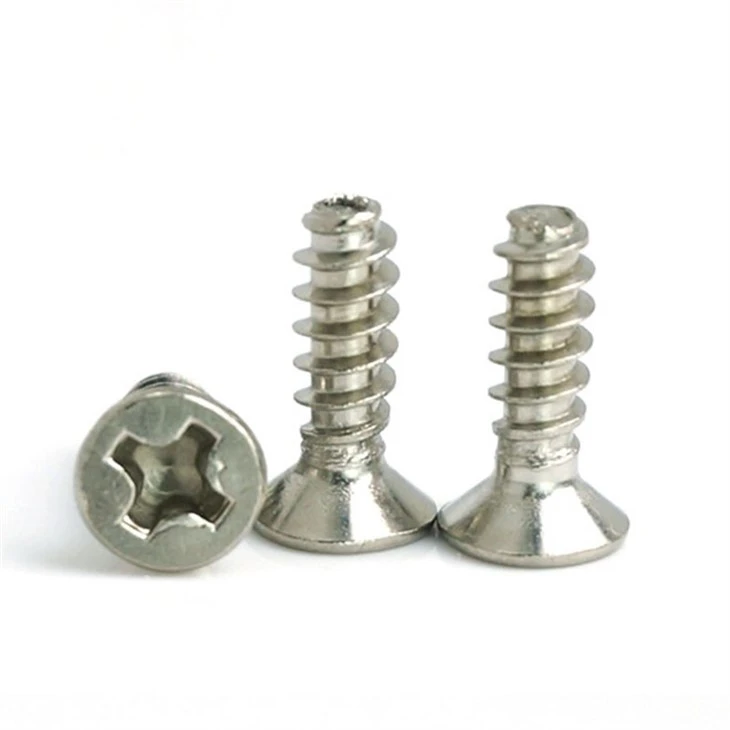 |
How do you prevent screws from rusting?
Many people have experienced the problem of screws rusting. To extend their service life, manufacturers often apply a "surface treatment" to screws. Common methods include:
Electrogalvanizing: A layer of zinc is applied to the screw surface, which prevents rust and adds aesthetic appeal.
Blackening (black oxide): This gives the screw a black appearance and also provides some rust resistance.
Dacromet: A high-corrosion-resistant technology commonly used in automotive parts.
How to determine screw size?
Screw size is generally expressed in terms of diameter, length, and pitch. For example:
M6×20 (6mm diameter, 20mm length)
ST4.2×13 (common self-tapping screw specifications)