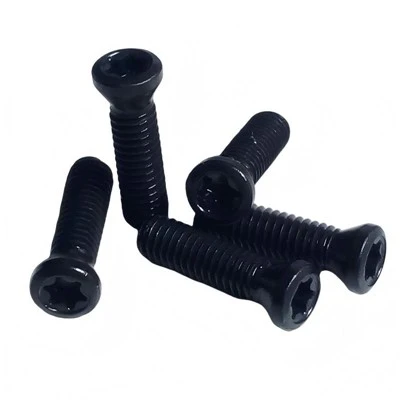
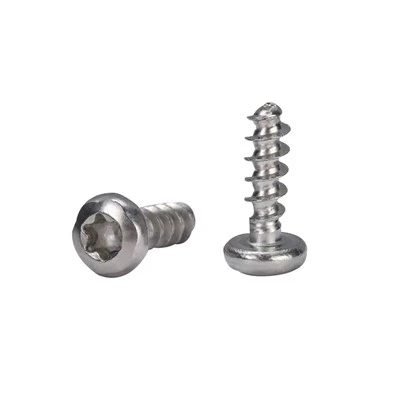
The thin-head internal torx K2, K2.5, K3, K4, and K5 plastic self-tapping screws are designed specifically for plastic products. They feature a thin head with an internal Torx hole. Their core feature is that the screw's threaded portion is manufactured according to the unique K-type thread standard, with the number following the "K" representing the nominal diameter of the thread. Below is a detailed introduction to the product's core features.
I. Core Design Function: "Self-tapping" and "Fastening" for Plastics
Self-tapping Forming:
Function: The screw itself can cut or extrude a matching internal thread into a pre-drilled hole or directly into the plastic part being fastened, eliminating the need for pre-tapping with a tap. This significantly simplifies the assembly process and improves production efficiency.
Method: This is achieved through its unique thread design. During insertion, the screw's threads act like a tap, scraping away the plastic material to form the thread groove.
Provides Fastening Force
Function: The mechanical interlocking of the threads with the plastic substrate generates a strong axial clamping force, securely connecting two or more components and resisting vibration and separation.
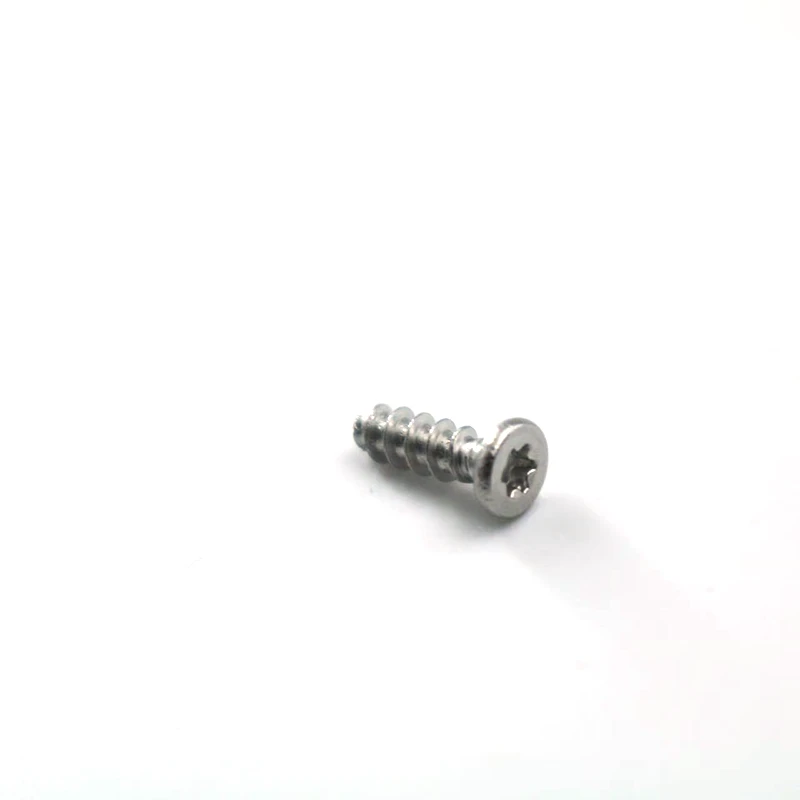
Implementation: The screw's threads tightly engage with the internal threads molded into the plastic, providing sufficient strength to ensure the product's structural integrity throughout its lifecycle.
II. Key Functions of Head Design: "Thin Head" and "Pierce-Head"
This design directly determines the screw's applicable applications and user experience.
Thin Head/Flat Head
Core Function: Enables low installation height and flush fit.
Space Saving: Space is at a premium within highly integrated electronic products. The thin head design minimizes the screw's protrusion, leaving more space for other components such as the battery, motherboard, and display.
Aesthetics: After tightening, the screw head sinks into a specially designed tapered countersunk hole, allowing the top surface of the screw to lie flush with the workpiece surface, resulting in a clean, minimal appearance.
Interference Prevention: Prevents the screw head from scratching other internal components or the housing it contacts.
Pierce-Head
Core Function: Provides efficient torque transmission and prevents bit skipping.
High Torque Transmission: Compared to traditional slotted or Phillips screws, the Torx design provides a larger driving contact surface, allowing for greater tightening torque without slipping, ensuring the screw is fully tightened.
Anti-Skipping: The patterned design better engages the bit, significantly reducing the risk of the bit slipping out of the slot during high-speed automated assembly, improving assembly yield and efficiency while protecting the screw slot from damage.
Automation-Friendly: Ideal for use with robotic arms and automatic screwdrivers, it is a key element in achieving automated production.

III. Meaning of Dimensions (K2, K2.5, K3, K4, K5)
The "K" here generally refers to the nominal diameter of the screw (in millimeters).
Function: Offers a variety of connection strengths and application options.
Detailed Description
K2 (M2): Used for very delicate, low-stress structures, such as precision watches, micro sensors, and internal mounting of small PCBs.
K2.5 (M2.5) / K3 (M3): These are the most commonly used sizes, widely used for motherboard mounting and housing splicing in consumer electronics (mobile phones, tablets, routers, and small appliances).
K4 (M4) / K5 (M5): Used in areas requiring greater connection strength and load-bearing capacity, such as exterior panels and structural brackets in large appliances (washing machines and air conditioners), or for connecting thicker plastic parts.
Choosing the right size is crucial: Too small can cause thread stripping or insufficient strength; too large can cause plastic parts to crack or cause stress concentration.
IV. Auxiliary Functions of Materials and Surface Treatment
Material: Typically carbon steel or stainless steel.
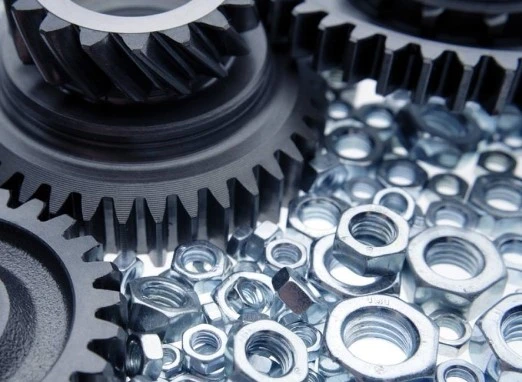
Carbon steel: Low cost and high strength, but requires rust-proofing.
Stainless steel (such as 410 and 304): Strong rust resistance and improved appearance, often used in applications requiring corrosion resistance.
Surface Treatment:
Blackening/Phosphating: Rust-resistant and aesthetically pleasing.
Galvanizing/Nickel plating: Provides improved rust protection.
Function: Not only does it prevent rust, but certain treatments can also reduce screw-in torque, making screwing smoother and reducing wear on plastic parts.
The core functionality of the thin-head internal hexagonal plastic self-tapping screws (K2-K5) is a system-wide process.
The thread is responsible for tapping and tightening, providing strength; the thin head saves space and maintains aesthetics, making it key to modern industrial design. The internal hexagonal socket efficiently and reliably transmits assembly torque, a key component of automated production and quality assurance.
The available sizes offer a full range of application options, from precision to robustness.
Thus, it is more than just a simple screw; it is an efficient, reliable, and precise connection solution tailored for the modern plastics industry, particularly in the consumer electronics and home appliance sectors.