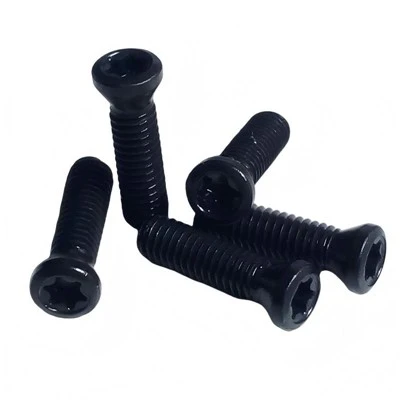
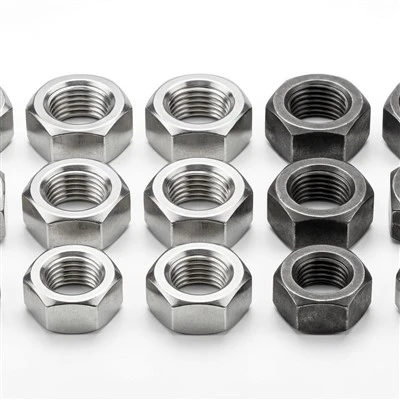
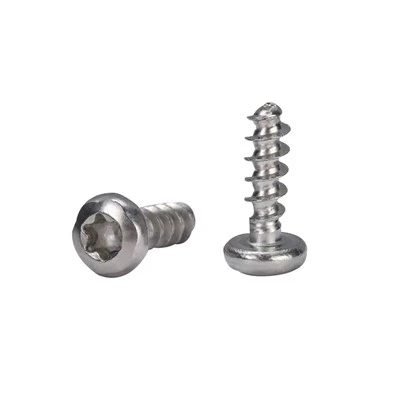
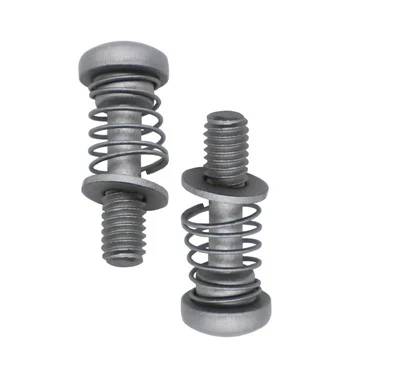
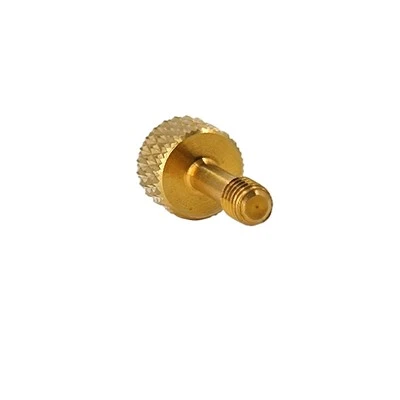
303 stainless steel blind hole toothed nut column is a fastener designed for thin plate connection, combining multiple technologies of material properties, structural design, and installation process. The following is a detailed use and precautions of the 303 stainless steel blind hole toothed nut column. These fasteners are designed for sheet metal parts and achieve efficient and reliable connections through the riveting process without welding or additional nuts.
Preparation before use: First, confirm material compatibility: 303 stainless steel parts need to be used with stainless steel or carbon steel sheet metal.
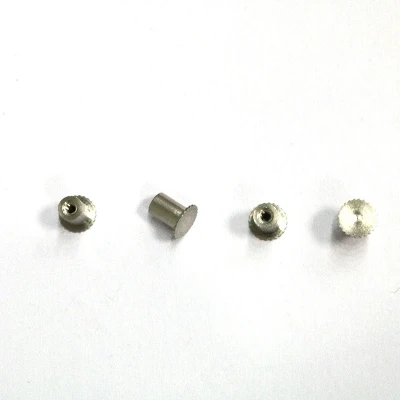
Check the hole position: The hole diameter needs to be strictly in accordance with the manufacturer's drawings, usually 0.1-0.3mm smaller than the outer diameter of the riveted part.
There is no burr on the edge of the hole (processed with a deburring tool).
Clean the surface: remove oil and debris around the sheet metal hole.
Equipment selection
Use a pneumatic/hydraulic riveting machine or a special riveting die, and avoid using an ordinary punching machine.
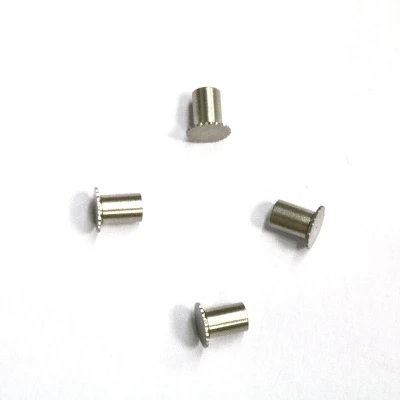
Pressure range: usually 2-6 tons.
Installation steps: First, put the rivet into the sheet metal hole, then rotate the die to the rivet, and then start the press to press down; then the rivet will deform and bite the sheet metal, and then it will be fixed.
Inspection standard: Verticality requires no tilt after riveting. Pull-out test is carried out according to the national standard GB/T 3098.3.
Rotation test: Use a torque wrench to check whether it slips (blind hole nut column needs ≥5 N·m).
Installation key: The flower tooth side faces the sheet metal contact surface to ensure that the flower tooth cuts into the metal when pressing in. After riveting, the blind hole end faces outward, and the through hole end is fixed to the sheet metal.
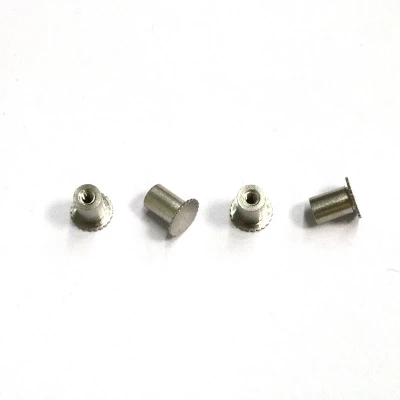
Application scenario: Circuit board bracket in the chassis, radiator fixing column.
Common problems and solutions:
The product loosens after pressing in because the aperture is too large or the plate thickness is insufficient. Replacing the small aperture sheet metal or thickening it can solve the problem. The thread slips because the installation torque is too large. At this time, reassemble it according to the standard torque. The tilt of the rivet is that the mold is not aligned, and the press positioning pin should be adjusted. Deformation and dents of sheet metal indicate that the pressure is too high or the speed is too fast. Just reduce the pressure to below 3 tons