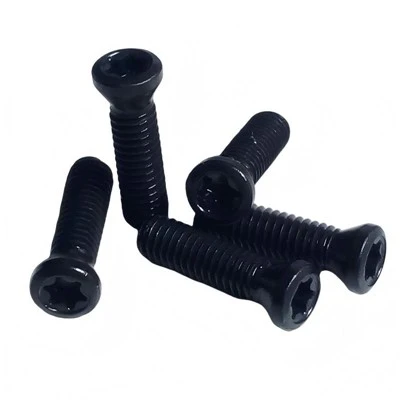
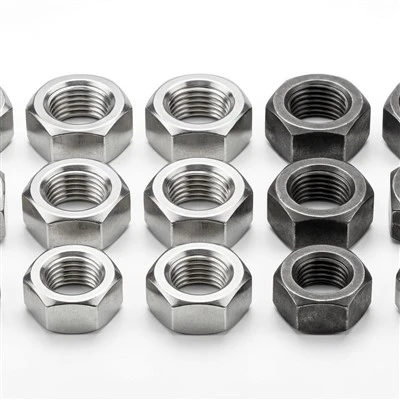
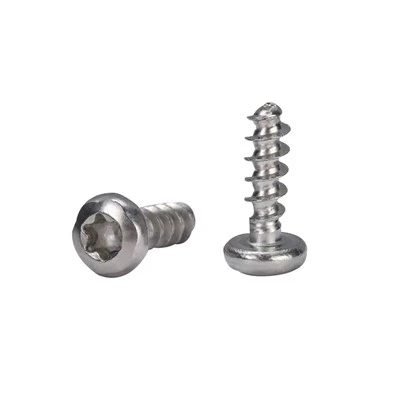
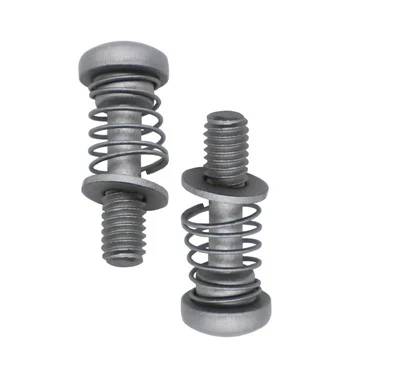
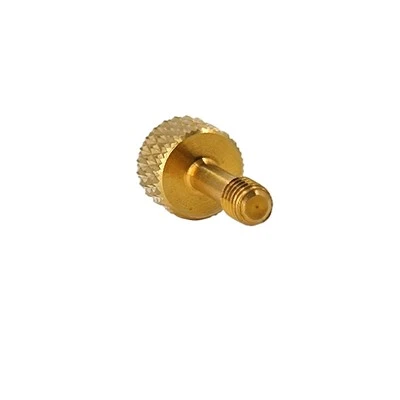
303 stainless steel blind hole flower tooth nut column is a fastener designed for thin plate connection, combining multiple technologies of material properties, structural design, and installation process. The following is an analysis of the product itself.
Product Function Positioning
303 stainless steel blind hole flower tooth nut column is a type of pressure riveted nut column, mainly used for thread inlay of sheet metal and thin plates (such as chassis, cabinets, and electronic equipment housings). After installation, a stable internal thread can be formed on the thin plate without welding or pre-embedded nuts, thereby simplifying the assembly process.
Product Analysis: 303 stainless steel is a free-cutting austenitic stainless steel with good corrosion resistance. It does not require additional electroplating and is suitable for turning.
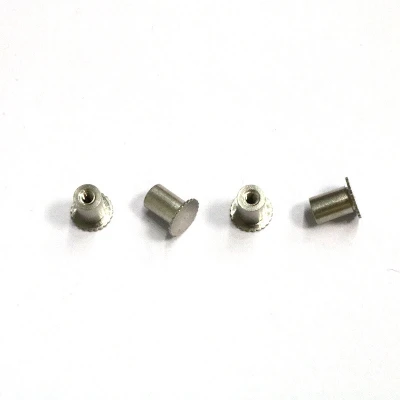
Blind hole (BSOS type): refers to the internal thread as a non-through hole design, that is, a bottom closed design, which is suitable for scenes that require sealing or preventing penetration.
Flower teeth and knurled pressure plate: One end of the nut column has a serrated embossed tooth. The tooth pattern is embedded in the plate during riveting, combined with the backing groove structure to achieve anti-rotation and anti-falling.
Structural features
The blind hole design means that the internal thread only extends to the middle of the cylinder, and the bottom is closed to avoid impurities entering or sealing problems caused by the through hole. It is often used on circuit boards and dustproof chassis.
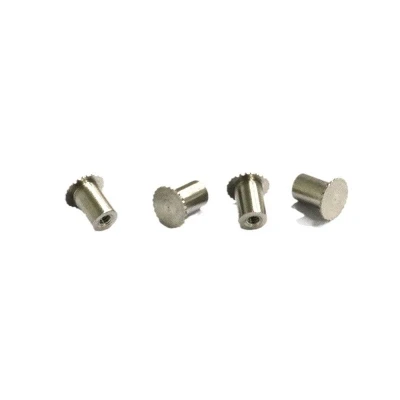
The meaning of the tooth structure is that the cylindrical end face is designed with a 30°–45° angle of serration. When riveting, the tooth pattern squeezes the sheet to produce plastic deformation, which is filled into the backing groove to form a mechanical interlock to prevent loosening.
Hexagonal head + cylinder
The hexagonal end provides torque resistance during riveting, the cylindrical section cooperates with the sheet hole, and the middle backing groove accommodates the deformed material to ensure that the back is flat after riveting.
Installation precautions
First, press the nut column into the pre-punched hole through a special riveting machine (not a punch or hammer). The steps include: Pre-set hole diameter: It needs to be strictly controlled at D+0~0.075mm (4.2mm). It is recommended to punch rather than drill.
Direction requirements: The hexagonal head needs to be pressed from the disconnected surface of the sheet to avoid reverse operation, causing sheet warping.
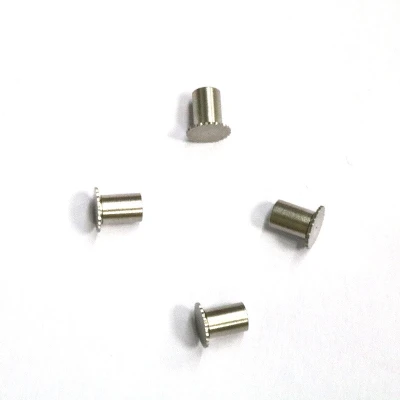
Key parameters
Sheet thickness: minimum 0.8mm. Too thin is easy to deform. The tail length of the nut column needs to be matched according to the thickness.
Pressure control: Press in place at one time to ensure that the hexagonal head is fully embedded without gaps.
Application scenarios and restrictions
Applicable application areas: chassis cabinets, electronic equipment brackets, light structures such as aluminum alloy or low-carbon steel plates
Use the following objects with caution
High-hardness stainless steel plates require special high-strength nut columns if used, and often require auxiliary spot welding reinforcement.
The tensile strength of the riveted connection of the load-bearing structural parts is low, so bolt welding is also required to strengthen the connection.
303 stainless steel blind hole flower tooth nut column is a precision solution for a thin plate threaded connection. It takes blind hole sealing, flower tooth anti-loosening design, and 303 stainless steel corrosion resistance as its core advantages, and achieves efficient assembly through a standardized riveting process. However, its successful application depends on strict aperture control, suitable plate hardness, and professional riveting equipment; otherwise, it is easy to fall off or deform.