Basic principles of fasteners
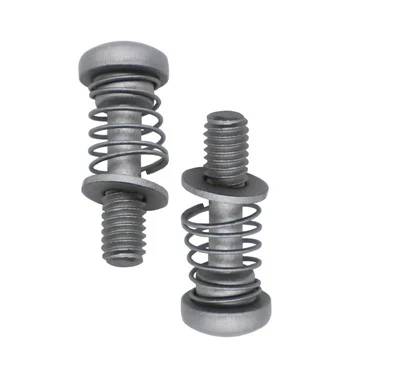
The core function of fasteners is to connect two or more parts tightly into a whole. Fasteners achieve fixation and connection between parts through their design features, such as threads, pins, rivets, etc. Threaded fasteners such as bolts, nuts, studs, etc., generate preload through the bite of threads, thereby tightly fixing the connecting parts together. Non-threaded fasteners such as rivets, retaining rings, etc., are fixed by mechanical locking.
Main types of fasteners and their working principles
Bolts: It consists of a head and a screw rod, and needs to be used with a nut to connect two parts with through holes. Bolt connections are detachable.
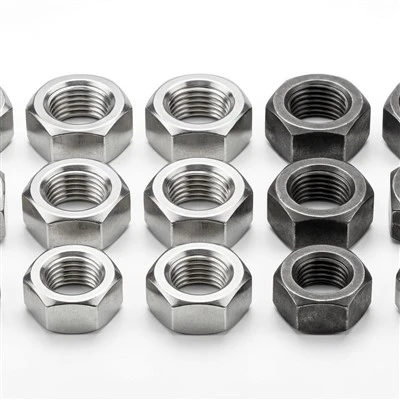
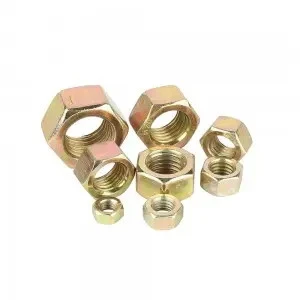
Nuts: It has an internal threaded hole and is used with bolts or studs to achieve a fastened connection of parts through thread bite.
Studs: It has no head and has threads at both ends. One end is screwed into a part with an internal threaded hole, and the other end passes through a part with a through hole and is screwed on a nut to achieve a fastened connection.
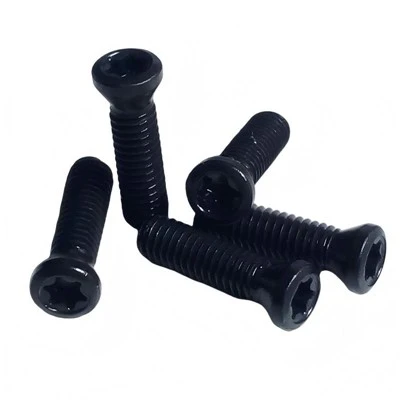
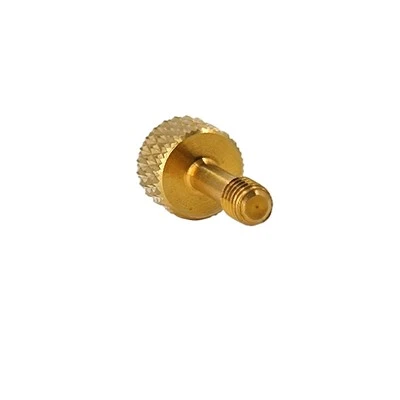
Screws: Divided into machine screws, set screws and special purpose screws, mainly used to fasten one part to another.
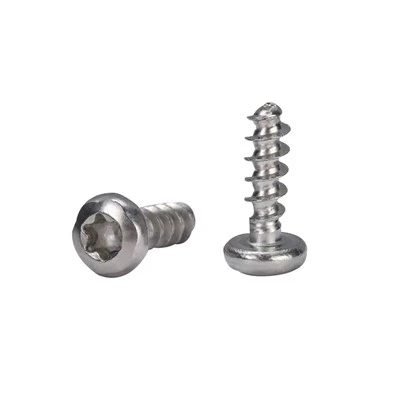
Self-tapping screws: Used to connect thin metal components, and its thread design can be directly screwed into the component hole to form an internal thread.
Wood screws: Used to connect wood with other materials.
Washers: Placed between bolts and connectors to increase contact area, reduce pressure concentration, and prevent loosening.
Retaining rings: Used to fix parts axially.
Pin: Rsed to connect or position parts.
Rivets: Riveted two or more parts together by machining without threads