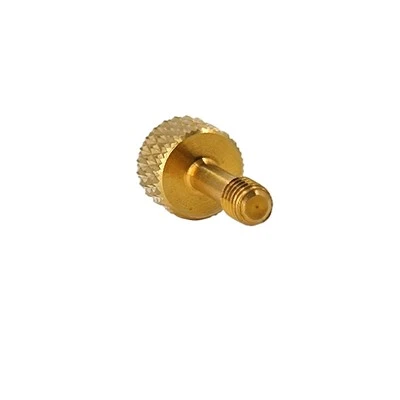
The principle of CNC machining parts is to use computer numerical control (CNC) technology to control the machine tool to process parts using a pre-written machining program. The specific steps are as follows:
Design a three-dimensional model of the part : Engineers first use computer-aided design (CAD) software to create a three-dimensional model of the part, containing all geometric shapes and size information.
Write the CNC program : The design model is converted into CNC code (such as G code) through computer-aided manufacturing (CAM) software. These codes contain detailed information such as machining paths and cutting parameters to guide the machine tool for machining.
Transmit the CNC program : The written CNC program is transmitted to the control system of the CNC machine tool through a data transmission interface (such as USB, Ethernet, etc.)
The machine tool reads and interprets the code : The control system of the CNC machine tool reads and interprets these CNC codes, generates control signals, and drives the moving parts of the machine tool (such as spindles, workbenches, etc.)
Machine tool processing: Under the control of the CNC system, the moving parts of the machine tool move along the predetermined trajectory to complete the cutting, drilling, milling and other operations on the workpiece. During the processing, the CNC system will monitor the position of the tool and workpiece, cutting force and other parameters in real time, and make adjustments when necessary to ensure the processing accuracy and quality.
Complete processing and detection: After the processing is completed, the CNC machine tool will automatically stop moving, and may be equipped with an online measurement and feedback system to perform real-time detection and correction of the processed parts to ensure that they meet the design requirements.