When choosing screws, many buyers ask: Which is better, stainless steel screws or carbon steel screws?
As a fastener factory with 19 years of production experience, Zeyao will help you determine which is more suitable in the simplest and most practical way.
I. Basic Differences Between the Two Types of Screws
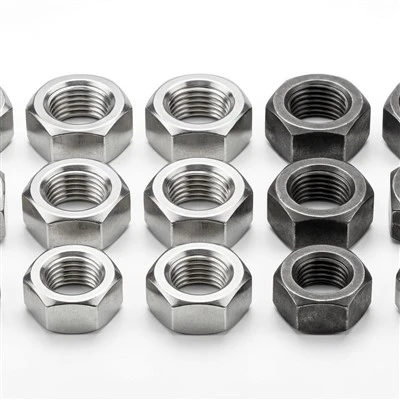
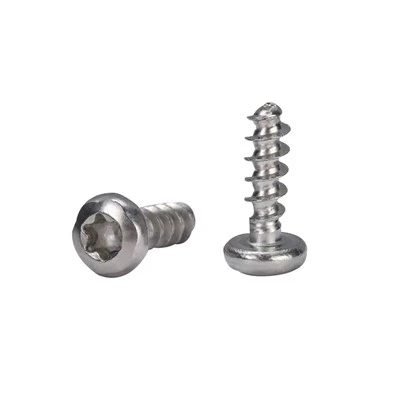
Stainless steel screws are made of stainless steel such as 304 or 316. Their biggest advantages are corrosion resistance, rust resistance, and a bright and beautiful appearance.
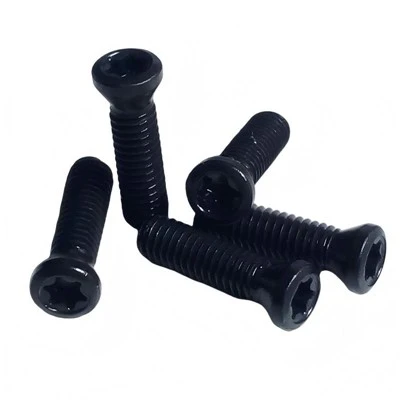
Carbon steel screws are divided into low-carbon steel, medium-carbon steel, and high-carbon steel based on their carbon content. After heat treatment, carbon steel screws can achieve very high strength and are suitable for structural components, mechanical equipment, automotive parts, and other applications requiring high-strength connections.

2. Application Scenarios
Suitable Occasions for Using Stainless Steel Screws
If your products are exposed to humid or corrosive environments for extended periods, such as:
Seaside facilities
Food processing machinery
Medical equipment
Outdoor decoration or building structures
Chemical equipment
It is recommended to choose 304 or 316 stainless steel screws to ensure corrosion resistance and a beautiful appearance.
Suitable Applications for Carbon Steel Screws
If your equipment is primarily used indoors or in dry environments with high strength requirements, such as:
Industrial machinery
Automotive parts
Heavy structural components
Electrical installation equipment
We recommend choosing 8.8, 10.9, or 12.9 grade carbon steel screws. Galvanizing or anodizing treatments can be selected as needed.
3. Precautions During Procurement
When purchasing, please pay attention to the following points to avoid incorrect selection:
Confirm material and grade: Stainless steel commonly uses A2-70 and A4-80; carbon steel commonly uses 8.8, 10.9, and 12.9.
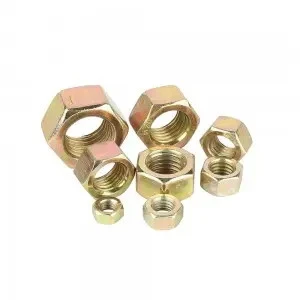
Clarify surface treatment: For carbon steel screws, it is recommended to specify the treatment method such as electro-galvanizing, hot-dip galvanizing, black anodizing, or nickel plating.
Require test reports: Such as tensile test, torque test, salt spray test, etc., to ensure performance meets standards.
Check packaging and specifications: Avoid mixing materials or specification differences to ensure installation compatibility.
FAQ
Q1: Will stainless steel screws rust?
A: Stainless steel has rust-resistant properties, but it may still rust slightly in strong acid, strong alkali, or high-salt environments.
Q2: How to prevent carbon steel screws from rusting?
A: Rust prevention can be achieved through electro-galvanizing, hot-dip galvanizing, phosphating, or painting. The effectiveness depends on the environment in which it is used.
Q3: What should I do if stainless steel screws easily get stuck during installation?
A: Apply anti-seizing grease to the threads or use nuts of a different material to avoid friction and heat that could cause them to seize.
Q4: How much is the price difference between the two types of screws?
A: Generally, stainless steel screws are 1.5 to 2 times more expensive than carbon steel screws, depending on the material and surface treatment.