Bolt loosening is a common problem in fields such as mechanical assembly, building construction, and automotive manufacturing. It can cause minor equipment noise or even safety accidents. How can you effectively prevent bolt loosening? This article systematically analyzes the causes of loosening and introduces five major anti-loosening solutions, ranging from traditional mechanical locking to advanced chemical bonding technologies, to help you choose the most suitable solution.
I. Root Causes of Bolt Loosening
1. Vibration and Alternating Loads
High-frequency vibrations in operating mechanical equipment (such as engines and motors) can cause minute displacement between threads, leading to gradual loosening ("creeping loosening").
Case Study: The loosening rate of wind turbine bolts due to long-term wind vibration can reach as high as 30% (Source: "Technical Specifications for Wind Turbine Bolt Connections").
2. Temperature Changes
Thermal expansion and contraction reduce bolt preload (e.g., high-temperature pipe flange bolts).
3. Improper Installation
Failure to meet standard torque (overtightening or undertightening) or improper thread cleaning (oil contamination/rust affecting friction).
II. Five Major Anti-Loosening Solutions
1. Mechanical Locking (Most Commonly Used)
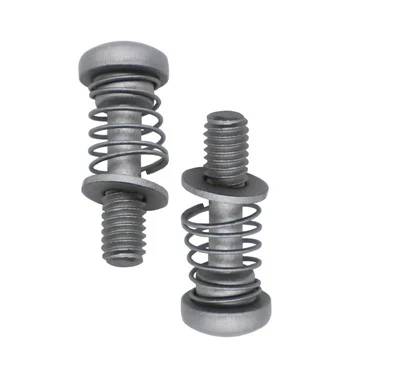
Elastic Washers: Use spring force to compensate for loosening
2. Thread Deformation Anti-Loosening
All-Metal Locking Nuts: Localized thread deformation (such as Spiralock nuts) creates elastic interference.
Advantages: High-temperature resistance (≥300°C), reusable, and suitable for the petrochemical and rail transportation industries.
3. Chemical Anti-Loosening (Threadlocker)
Anaerobic adhesive (such as Loctite 243): Fills thread gaps after curing, resists vibration, and seals and prevents rust.
4. Structural Anti-Loosening (Pin/Circlip)
Cotter Pin + Slot Nut: The ultimate anti-loosening solution for military equipment and railway sleepers.
Wire Thread Inserts: Enhance thread strength in soft materials (such as aluminum alloys), prevent loosening, and repair damaged threaded holes.
5. Preload Monitoring Technology
Smart Bolts: Built-in sensors monitor preload changes in real time (such as in the wind power industry).
Torque-Angle Method: Ensures consistent preload by precisely controlling the tightening angle (standard for automotive engine assembly).
III. Maintenance Recommendations
Regular Inspection: Retighten important bolts every six months (e.g., steel bridges).
Installation Guidelines: Use a torque wrench, clean the threads, and avoid mixing bolts and nuts of different materials (risk of galvanic corrosion).