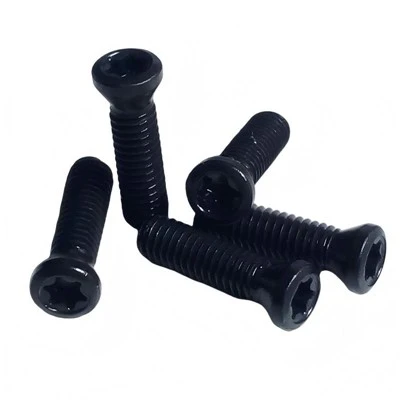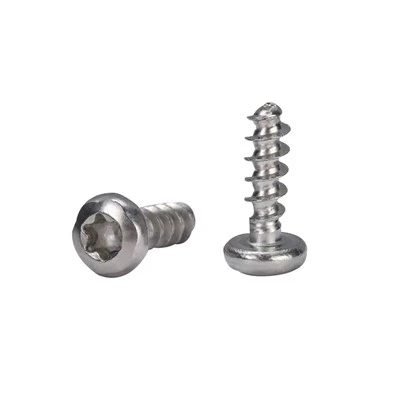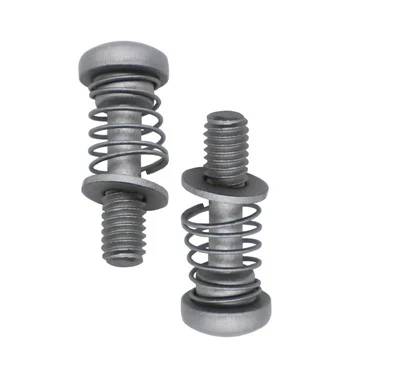
If you are selecting fasteners for a new product, one of the first questions is often: what are tapping screws used for, and when should they be chosen over other screws? Tapping screws are designed to create or form a mating thread during installation, making them useful when a separate pre-tapped thread is not required. ISO 2702:2022 specifically describes tapping screws as fasteners designed to form mating threads in sheet metal.
For manufacturers and purchasing teams, the right choice depends on the base material, material thickness, assembly method, required holding performance, and production volume. This guide explains the most common tapping screw applications and the key factors to consider before purchasing.

What Are Tapping Screws Used For?
The primary purpose of a tapping screw is to fasten components by creating or forming its mating thread during installation. Depending on the screw design, the material may be displaced, cut, or otherwise shaped around the screw thread.
This makes tapping screws particularly useful for applications where manufacturers want to simplify assembly, reduce the number of components, or avoid machining a conventional internal thread.
Common applications include:
| Application | Why Tapping Screws Are Used |
|---|---|
| Sheet metal | Direct fastening and efficient assembly |
| Plastic housings | Compact fastening without a separate nut |
| Electronics | Suitable for small, space-limited assemblies |
| Automotive components | Efficient for high-volume production |
| Appliances | Helps simplify component assembly |
Different materials require different screw geometries. Bossard notes that direct-assembly screws are used with materials including aluminum, thin sheet metal, steel, thermoplastics, wood, and concrete, but the screw design must match the material.

Common Applications of Tapping Screws
Tapping Screws for Sheet Metal
Sheet metal is one of the most common applications. Tapping screws can form mating threads directly in suitable metal components, making them useful for electrical enclosures, appliance panels, HVAC components, brackets, and other fabricated parts.
Material thickness is important. A very thin sheet may provide limited thread engagement, so screw diameter, thread design, pilot-hole size, and installation torque should be evaluated together.
Tapping Screws for Plastic Components
Tapping screws are also widely considered for plastic housings and molded components, including electronic enclosures, appliance parts, and automotive interior components.
However, not all plastics behave in the same way. Thermoplastic type, wall thickness, hardness, and resistance to cracking can affect fastening performance. Specialized thread designs may be needed to improve thread engagement and reduce material damage.
Tapping Screws in Automotive Applications
Automotive manufacturers use direct-assembly fastening solutions where production speed, compact design, and consistent assembly are important. Potential applications include plastic housings, interior components, brackets, electrical components, and other assemblies.
For automotive use, buyers should also consider vibration, temperature, corrosion, installation torque, and long-term thread durability rather than selecting a screw based only on size.
Tapping Screws for Electronics and Electrical Products
In electronics and electrical equipment, space is often limited. Tapping screws can provide a compact fastening solution for housings, control boxes, electrical enclosures, and small appliances.
The key question is whether the screw can provide sufficient holding force without damaging the surrounding material. Screw diameter, length, thread geometry, and installation torque should therefore be matched to the actual housing design.
Why Use Tapping Screws?
The main advantage of self-tapping screws is that they can simplify the fastening process. Depending on the application, manufacturers may reduce machining operations, eliminate separate nuts or inserts, and achieve faster assembly.
They are particularly attractive for high-volume production, where even a small reduction in assembly time can have a meaningful effect on overall manufacturing efficiency.
However, tapping screws are not a universal replacement for every fastening system. Applications requiring frequent disassembly, very high structural loads, or highly controlled machine-thread connections may require machine screws, threaded inserts, bolts, or other solutions.
How to Choose Tapping Screws for Your Application
Before purchasing, evaluate these factors together:
Base material – Identify whether the application uses steel, aluminum, plastic, or another material.
Material thickness – Make sure there is enough material for reliable thread engagement.
Screw design – Select the appropriate thread-forming, thread-cutting, or other tapping design.
Dimensions – Confirm diameter, length, head style, and drive type.
Installation conditions – Check pilot-hole requirements and installation torque.
Operating environment – Consider moisture, corrosion, temperature, and vibration.
Production volume – High-volume OEM applications may benefit from customized screw geometry.
For an OEM project, provide the manufacturer with a technical drawing, base-material specification, required dimensions, application conditions, and expected order quantity. This gives the supplier enough information to recommend a suitable custom tapping screw rather than simply offering a standard size.
FAQ
Q: What are tapping screws commonly used for?
A: They are commonly used for sheet metal, plastic components, electronics, appliances, automotive parts, and other applications where direct thread formation can simplify assembly.
Q: Can tapping screws be used in plastic?
A: Yes, but the screw design must match the plastic. Material type, wall thickness, hardness, and installation torque all affect performance.
Q: Are tapping screws suitable for sheet metal?
A: Yes. They are widely used for suitable sheet-metal applications, particularly when direct thread formation can simplify assembly.
Q: Are tapping screws suitable for automotive applications?
A: They can be, especially for suitable plastic, sheet-metal, and electrical components. Automotive applications require additional consideration of vibration, temperature, corrosion, and durability.
Q: How do I choose the right tapping screw?
A: Start with the material and thickness, then evaluate screw geometry, size, installation method, environment, and required fastening performance. For critical applications, test samples before mass production.