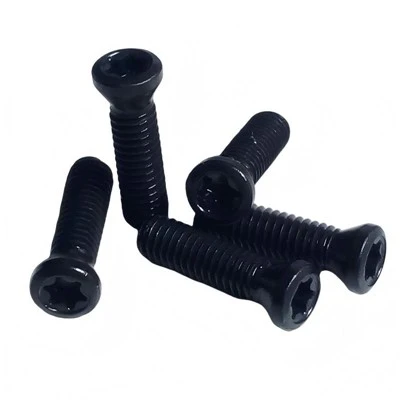
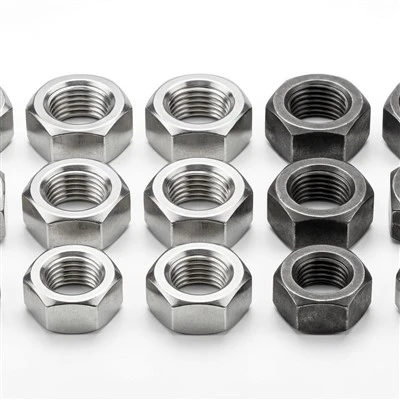
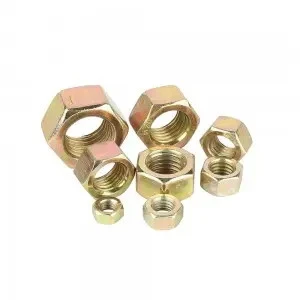
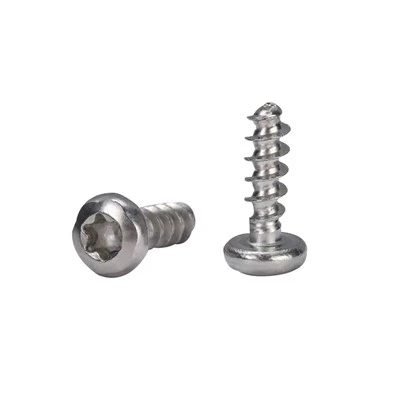
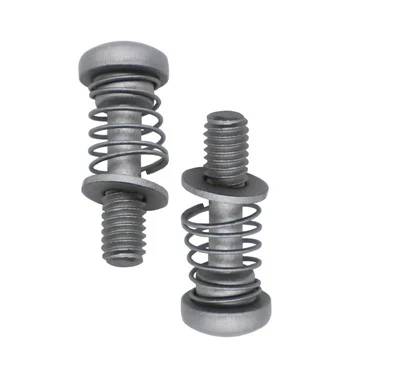
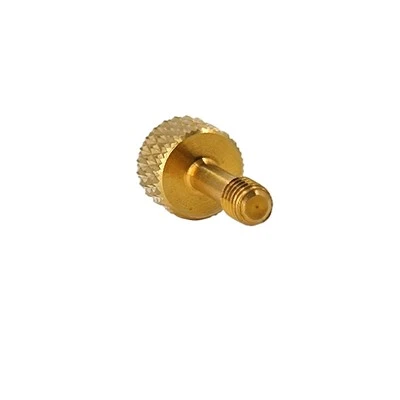
Stainless steel 304 cross flat head slotted pin (M3-M10) is a versatile fastener. Its core functions can be summarized as follows, with key points analyzed in layers according to actual application scenarios.
1. Precise positioning and axial fixation
Mechanical assembly positioning: The relative position accuracy between parts is ensured through the close fit between the pin and the hole slot, which is suitable for high-precision equipment such as molds and gearboxes.
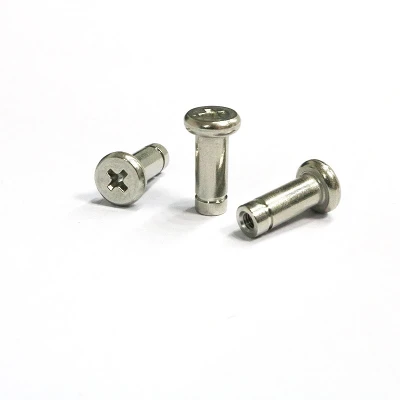
Anti-rotation design: The cross flat head slot cooperates with the screwdriver to prevent slipping during tightening. At the same time, the annular groove on the pin body can be embedded with the retaining ring to achieve axial double locking and avoid lateral displacement.
2. Modular quick disassembly and assembly
Retaining ring groove design: The preset groove of the shaft body matches the standard retaining ring, which can be quickly installed/disassembled without threads, and is suitable for automation equipment or transmission systems that require frequent maintenance.
Cross slot compatibility: Adapt to cross screwdrivers, simplify the installation process, and save more space compared to hexagonal structures.
3. Materials and environmental resistance
304 stainless steel features:
Corrosion resistance: Resistant to acid, alkali, and humid environments, suitable for food machinery, ship accessories, etc.
Tensile strength ≥520MPa, working temperature -196℃~800℃ (short term), meeting most industrial scenarios.
Surface treatment: optional passivation or electrolytic polishing to further improve corrosion resistance and reduce the friction coefficient.
4. Safety redundancy design
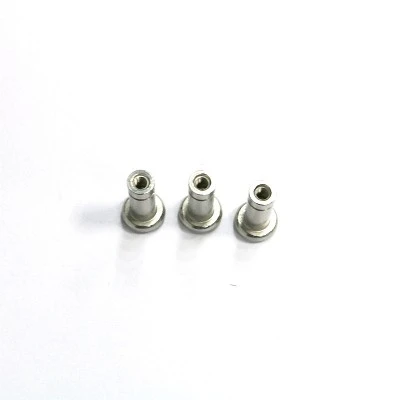
Anti-fall protection: The double insurance structure of retaining spring + thread improves reliability by more than 60% compared with a single fixing method, especially suitable for vibration environments.
Selection suggestions
Light-load electronic equipment: M3-M5 is preferred, and a nylon retaining spring is used to reduce weight.
Heavy industrial scenarios: Select M8-M10, and it is recommended to add thread glue to enhance seismic resistance.
Through the above design, the component achieves a balance between positioning accuracy, environmental adaptability, and maintenance efficiency, and is a cost-effective solution in mechanical design.