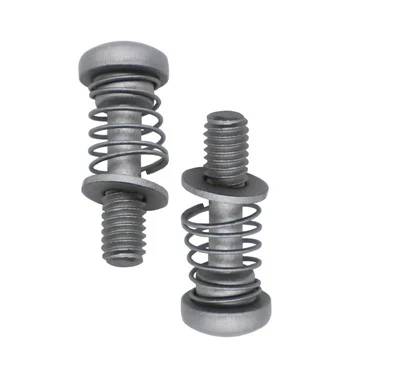
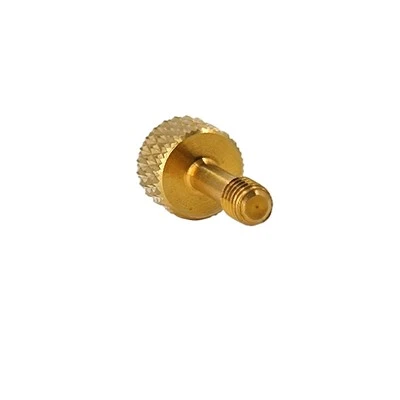
Hardware and plastic parts are two important parts in industrial manufacturing, each with its own characteristics and often used together. Let's take a brief look at the similarities and differences between them.
1. Similarities
Widely used: They are used in electronics, home appliances, automobiles, machinery, and other fields as structural parts, connectors, or functional parts.
Customized production: They can be mass-produced and processed with high precision through molds.
Surface treatment: They can be electroplated, sprayed, and other processes to improve aesthetics or corrosion resistance.
2. Core differences
Hardware material characteristics: The materials include steel, aluminum, copper, zinc alloy, etc., which are metals
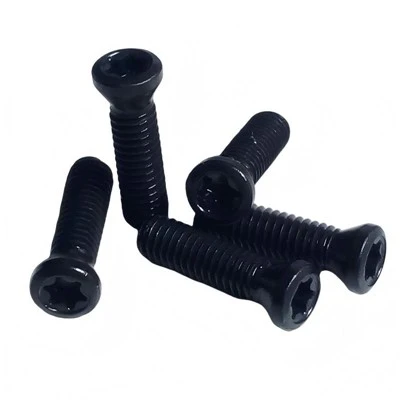
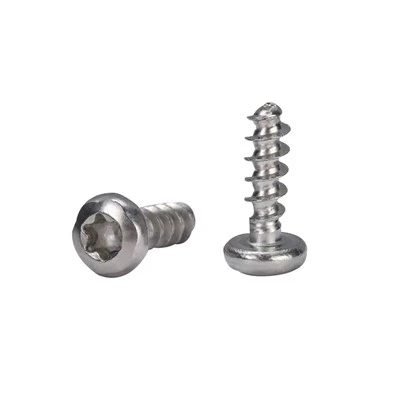
Features: high strength, high temperature resistance, good electrical and thermal conductivity, but prone to rust without surface treatment. Typical applications are bearings, screws, housings, etc.

Plastic material characteristics: plastic, including ABS, PC, PP, nylon, etc.
Features: lightweight, insulation, chemical corrosion resistance, but low strength, easily affected by ultraviolet rays and temperature, and prone to aging. Typical applications are buttons, housings, and insulating sleeves.
Processing technology
Hardware technology: stamping, CNC, casting, forging, etc.
Advantages: Suitable for high-precision and complex structures.
Limitations: High mold cost, small batch production is not economical.
Plastic parts technology: injection molding, blow molding, extrusion, etc.
Advantages: Suitable for complex shapes such as thin-walled and curved objects, low-cost, and large quantities.
Limitations: Shrinkage rate affects dimensional stability and requires post-processing, the most common of which is deburring.

3. Performance comparison
Density: Hardware has high density and is relatively heavy; plastic parts have low density and are very light.
Wear resistance: Hardware has good wear resistance because of the high hardness of metal; plastic parts have average wear resistance, so reinforcing fillers are usually required to make up for the lack of wear resistance.
Cost: Hardware materials have a high cost but long life; plastic materials have a low cost, but mold amortization is fast.
Design freedom: Hardware is very limited by the difficulty of metal processing itself, while plastic parts can be formed into complex, special-shaped structures.
Environmental adaptability
Hardware: High temperature resistant, but easy to break at low temperatures.
Plastic parts: Most materials have a temperature resistance below 100°C and good low-temperature toughness.

IV. Collaborative application
Electronic products: Lightweight insulation of plastic shell + structural support of hardware bracket.
Automotive parts: Flexible shape of plastic dashboard + high-strength connection of hardware fasteners.
Hardware is suitable for high-strength and temperature-resistant scenes; the advantages of plastic parts are lightweight, complex shape and low cost. In actual design, plastic-coated metal inserts are often used to achieve performance complementarity.