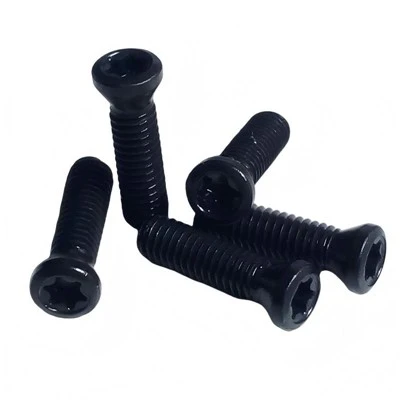
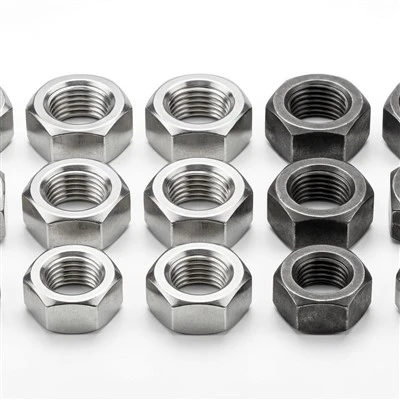
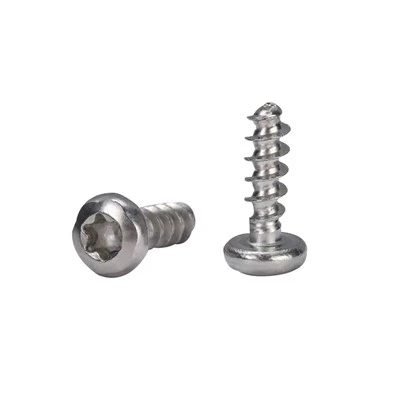
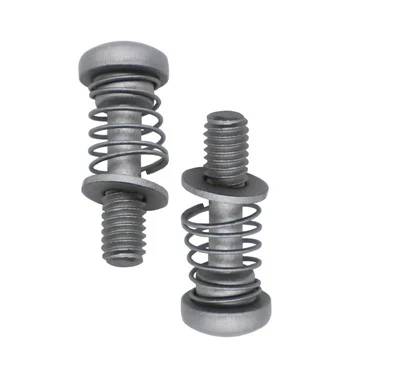
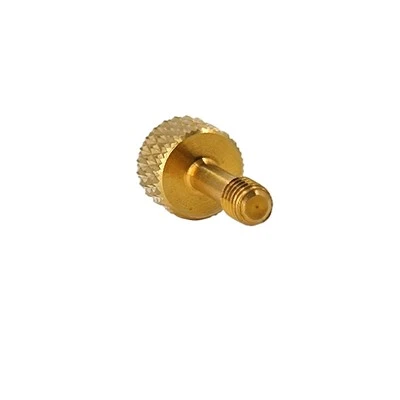
Copper column screws are a type of fastener commonly used in electronic equipment, mechanical assembly and other fields, mainly used to support, fix or connect parts. The following is a detailed analysis of the similarities and differences of its different properties.
1. Similarities
Material: All are copper or copper alloy, with conductivity, corrosion resistance, and certain mechanical strength, suitable for electronic, precision instruments, and other scenarios.
Basic structure: Contains external or internal threads and columns, usually cylindrical, and some are designed as hexagonal columns for easy tool twisting.
Application scenarios: Commonly used in PCB board fixation, chassis support, radiator installation, and other occasions that require conductivity, rust prevention, or frequent disassembly.

Surface treatment: Nickel plating, gold plating, or passivation treatment to enhance oxidation resistance, aesthetics or conductivity.
2. Differences
Classification by thread distribution
Double-pass copper column: Both ends are external threads, the middle is a hexagonal column or a threadless column, which needs to be used with nuts. Typical uses include PCB stacking fixation and mechanical structure connection.
Threaded copper column: One end of it is an external thread, and the other end is an internal thread (blind hole or through hole), which can be directly screwed into a screw or another copper column. It is often used for the vertical installation of equipment brackets and expansion interfaces.
Unthreaded copper column: It can only be used as a spacer column in terms of functional use. It has no threads and is fixed by interference fit or glue. It is basically used for electronic component isolation and short-circuit prevention support.

Classification by head or end design
Hexagonal head copper column: The head is hexagonal and can be tightened with a wrench. It is suitable for high-torque scenarios.
Knurled copper column: The column has knurled patterns, which are convenient for manual installation and adjustment without tools.
Flanged copper column: A flange is added to the bottom to increase the contact surface and improve stability.
Functional differences
Conductive type: High-purity copper column, used for grounding or signal transmission of RF equipment.
Structural type: Strengthen mechanical strength and support heavy components.
Insulation type: The surface is coated with an insulating layer to prevent short circuits.
Size: The length ranges from a few millimeters to tens of millimeters, customized according to demand, and the thread specifications are based on common metric or imperial systems, and need to be matched with screws or nuts.
Size
Length: From a few millimeters to tens of millimeters, customized according to demand.
Thread specifications: Common metric (M2, M3) or imperial (4-40, 6-32), need to match screws/nuts.
3. Selection recommendations
Conductive requirements: Choose gold-plated or pure copper materials to ensure low resistance.
Frequent disassembly: Prefer double-pass copper columns or internal threaded copper columns for easy maintenance.
Focus on anti-loosening: Threaded copper columns with nylon locking structure can be selected.
By clarifying the application scenario and installation method, you can quickly match the appropriate copper column screw type. Avoid many subsequent problems.