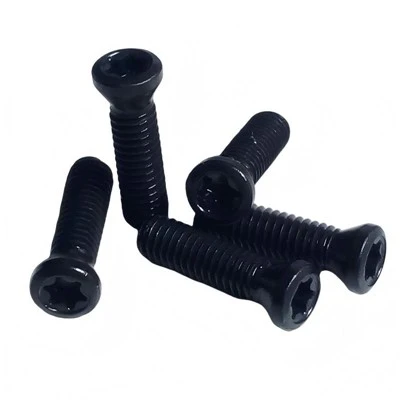
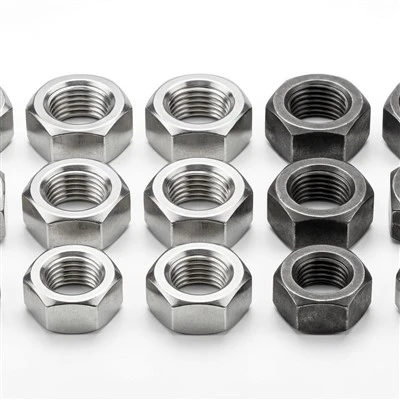
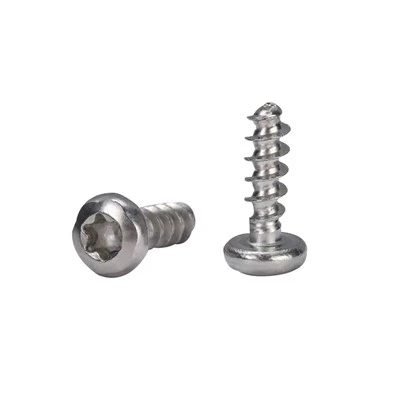
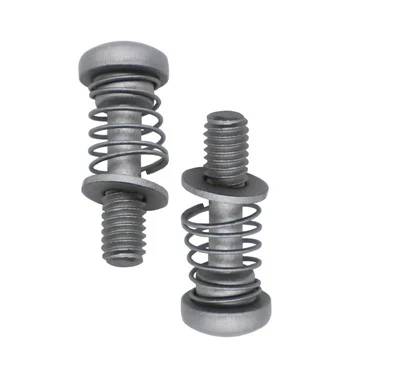
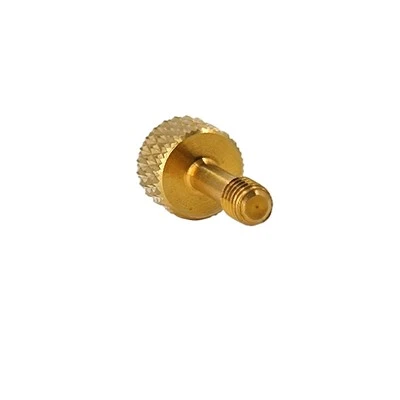
303 stainless steel is widely used in non-standard turning parts (such as external hexagon, internal thread, external thread, hollow screw, etc.) due to its excellent machinability, corrosion resistance, and medium strength. The following are its typical usage and precautions.
1. External hexagon turning parts
Applicable scenarios: occasions where tools are required for tightening, such as equipment brackets, valve connections, etc.
Usage:
Installation: Use a wrench to clamp the external hexagon head and screw it into the matching threaded hole clockwise to avoid deflection.
Anti-loosening measures: It is recommended to use elastic washers or thread glue in a vibrating environment.
Torque control: Refer to the standard torque table of stainless steel to avoid slipping caused by over-tightening.
Precautions: The hexagonal head is easily damaged by tool slippage, so it is preferred to use a high-precision sleeve; check regularly for rust in a humid environment. The corrosion resistance of 303 is slightly lower than that of 304.

2. Internal thread turning parts
Applicable scenarios: It needs to be matched with other external threaded parts, such as sensor fixing seats, pipe plugs, etc.
How to use:
Clean the threads: Use compressed air to remove debris from the inner hole to ensure smooth threads.
Manual pre-tightening: Manually screw in the external thread first, confirm that there is no jamming and then tighten with tools.
Sealing requirements: If leak-proof is required, you can wrap raw tape around the threads or apply sealant.
Precautions: Avoid repeated disassembly and assembly to cause wear of the internal threads. It is recommended to use wire thread sleeves to enhance the strength. The internal thread depth must match the external thread length to prevent false buckles.
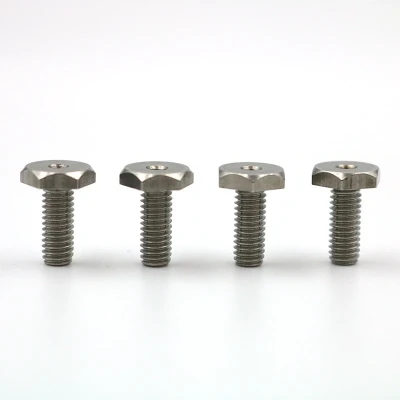
3. External thread (external thread) turning parts
Applicable scenarios: Directly screw into the internal thread hole or use with nuts, such as pipe joints, shaft end fixation, etc.
How to use:
Align the threads: After tilting the insertion, rotate in the reverse direction until a "click" sound is heard, and then tighten forward.
Leak-proof treatment: It is recommended to use PTFE tape or liquid sealant in fluid pipelines.
End treatment: For overlong threads, add nylon locking nuts or cut off the excess parts.
Note: Scratches on the outer surface can easily affect the sealing performance. Avoid scratches with hard objects during installation. When used with different metals (such as copper and aluminum), electrochemical corrosion must be prevented, and anti-rust oil can be applied.

IV. Hollow screws
Applicable scenarios: cable threading, hydraulic/pneumatic pipeline connection, heat dissipation channel, etc.
Usage:
Internal cleaning: Use a needle to clean the hollow channel before installation to prevent blockage.
Sealing design: If the medium is passed, add O-rings or copper gaskets at both ends.
Special fixation: Avoid friction between the cable and the sharp edge of the thread when threading, and a sheath can be added.
Note: The hollow structure has low strength, so avoid lateral force or over-torque tightening. It may deform in high-temperature environments, so heat-resistant sealing materials need to be selected.
Through reasonable selection and standardized operation, 303 stainless steel non-standard car parts can meet the special needs of most mechanical, electronic, and chemical fields, balancing cost and performance.