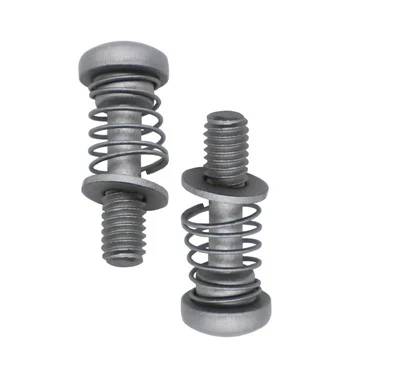
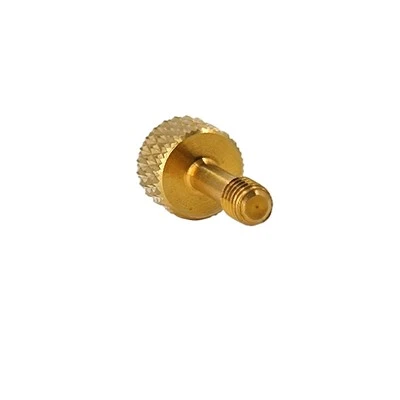
Today, we'll provide you with some easy-to-follow steps and tips for tightening screws.
1. Choose the Right Tool
Common tools include screwdrivers and power tools (such as electric drills or electric screwdrivers). When choosing, keep in mind the following:
Screwdriver: The size and type of the screwdriver should match the head of the screw. Common types include Phillips and slotted.
Power Tools: Power tools are more efficient for large-scale jobs or when you need to complete the task quickly, but they should be used with caution to avoid overtightening.
2. Align the Screw Hole
When tightening a screw, first ensure that the threads of the screw are aligned with the hole.
Align the screw in a straight line: Ensure that the screw is parallel to the hole; avoid inserting it at an angle.
Gentle Twist: Before tightening, gently twist the screw by hand a few times to ensure that it begins to enter the hole smoothly.
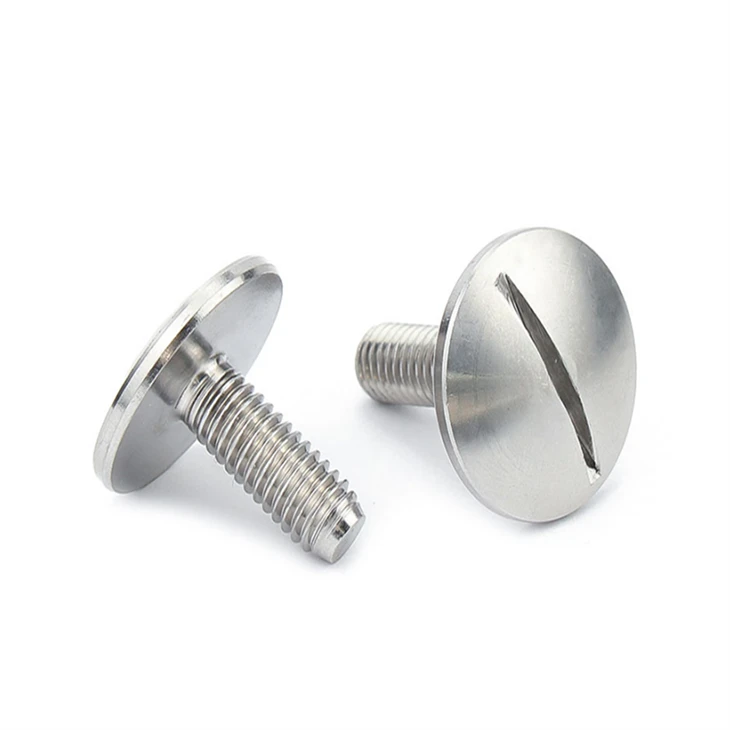
3. Apply moderate force to avoid overtightening
When tightening a screw, force is crucial. Using too little force can loosen the screw, while using too much force can damage the screw or the tool. How can you find the right amount of force?
Hand tightening: If you're using a hand tool (screwdriver), when you feel the screw begin to "seize," it's nearing the bottom and you should avoid applying excessive force.
Power tools: If you're using a power tool, it's recommended to set the torque appropriately to avoid overtightening.
4. Check if the screw is secure.
After tightening the screw, check that it's secure. Gently shake the object or feel around the screw to ensure it's not loose.
Test for tightness: If the screw is weight-bearing (such as furniture fasteners), gently pull or shake the object to confirm it's secure.
Avoid overtightening: Once the screw feels secure, avoid overtightening, as this can damage the threads.
5. Be careful not to damage the screw head.
A damaged screw head may prevent the tool from tightening properly. To avoid this, consider the following:
Choose the appropriate tools: As mentioned above, the size and type of the tool should match the screw.
Avoid excessive force: Excessive force may deform the screw head, hindering subsequent operation.
6. Use lubricant or thread sealant (as appropriate)
For screws that are frequently removed or used in humid environments, consider using some lubricant or thread sealant.
Lubricant: Reduces friction, making the screw easier to drive and tighten.
Thread sealant: Used to prevent screws from loosening, especially in mechanical or automotive repairs.