1. Choose Rust-Resistant Materials
The first step in preventing fasteners from rusting is choosing the right material.
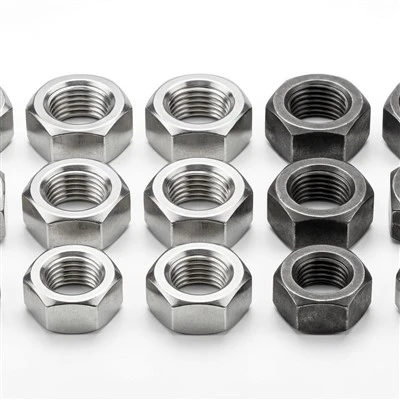
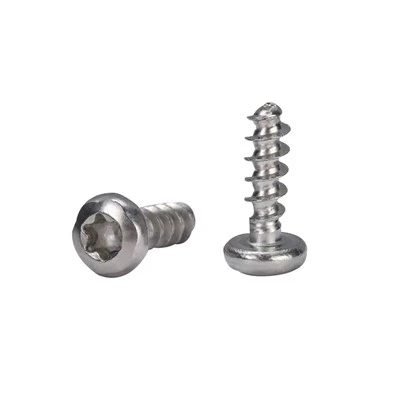
Stainless Steel: Stainless steel is a common rust-resistant material with strong corrosion resistance.
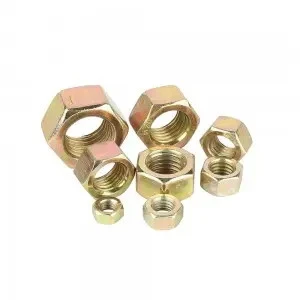
Galvanized Fasteners: Galvanizing is a common rust-resistant treatment process in which zinc is applied to the surface of steel to form a protective barrier.
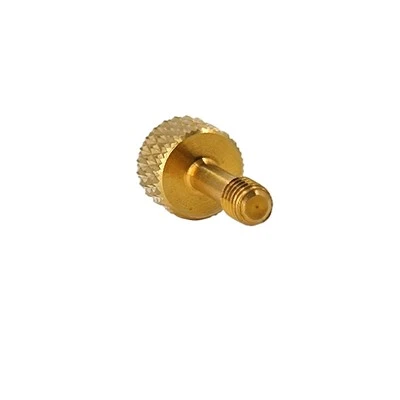
Brass and Copper Alloys: These materials offer excellent corrosion resistance and are suitable for use in extreme environments.
2. Apply Rust-Resistant Coatings
Rust-resistant coatings effectively isolate fasteners from moisture and oxygen in the external environment, thereby reducing the risk of corrosion.
Rust-Resistant Oil: Applying rust-resistant oil to the surface of fasteners creates a film that prevents moisture and air from contacting the metal surface, reducing the risk of rust.
Powder Coating: Powder coating not only prevents rust but also increases the fastener's wear resistance and chemical resistance.
3. Keep Dry: Moisture is one of the main causes of metal rust.
Prevent Fasteners from Exposing to Water: Try to avoid exposing fasteners to rain or humid environments for extended periods of time. Regular Inspection: Regularly inspect the condition of fasteners, especially if the equipment is used in a humid environment. Clean any moisture and dust promptly and keep the fastener surfaces dry.

4. Use Sealing Designs
Sealing designs effectively prevent moisture, dirt, and air from the external environment from entering the fastener contact surfaces.
Sealing Washers and Gaskets: Using sealing washers and gaskets at the screw-nut joints effectively prevents moisture and air from entering.
Waterproof Screws: Choose specially designed waterproof screws, which often have sealing rubber rings or special designs to prevent moisture penetration.
5. Regular Maintenance and Inspection
Regular maintenance and inspection are essential measures to prevent fastener rust.
Cleaning and Lubrication: Apply an appropriate lubricant to fasteners to reduce friction and corrosion.
Check for loose fasteners: Loose fasteners can create contact points, accelerating corrosion.
6. Use Electroplating and Hot-Dip Coatings
Electroplating and hot-dip coatings are two common metal anti-corrosion treatments that form a protective film on the metal surface, effectively preventing rust. Electroplating: Electroplating deposits metal ions onto the surface of fasteners using an electric current, creating a protective coating.
Hot-dip coating: Hot-dip coating involves immersing metal fasteners in molten zinc, creating a thicker zinc coating.