In machinery, construction, electronics, and other fields, screws, though small, are crucial to the stability and safety of the entire structure. Low-quality screws can cause loosening, breakage, and even serious accidents. So, how can you identify low-quality screws? This article examines five key indicators: material, hardness, tolerance, surface treatment, and certification standards, to help you avoid the pitfalls of low-quality screws!
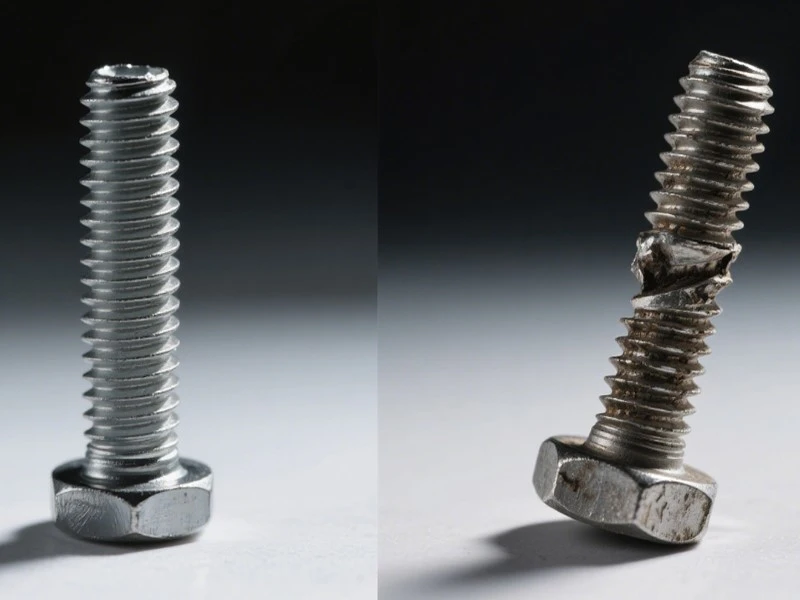
1. Substandard Materials: Cutting corners is the biggest hidden danger.
✅ High-quality screws: Made from standard carbon steel (such as grade 4.8 or 8.8), stainless steel (304/316), or copper alloy (H62 brass), accompanied by a material report (such as SGS testing).
❌ Low-quality screws:
Using recycled scrap steel or inferior alloys can easily rust and break.
Magnet Test: Stainless steel screws should be non-magnetic or weakly magnetic (304/316). Strong magnetism indicates a low-quality ferritic stainless steel (such as 430).
2. Substandard Hardness: Prone to deformation or brittle fracture
✅ High-Quality Screws:
Carbon steel screw hardness: Grade 4.8 (HV 120-180), Grade 8.8 (HV 250-320).
Stainless Steel Screw Hardness: A2-70 (HV 200-280).
❌ Low-Quality Screws:
Insufficient hardness (easily scratched with a file) or excessive hardness (prone to brittle fracture).
Not heat-treated, resulting in uneven hardness throughout the core.
Testing Method: Use a Rockwell hardness tester (HRC/HRB) or compare to a standard hardness test block.
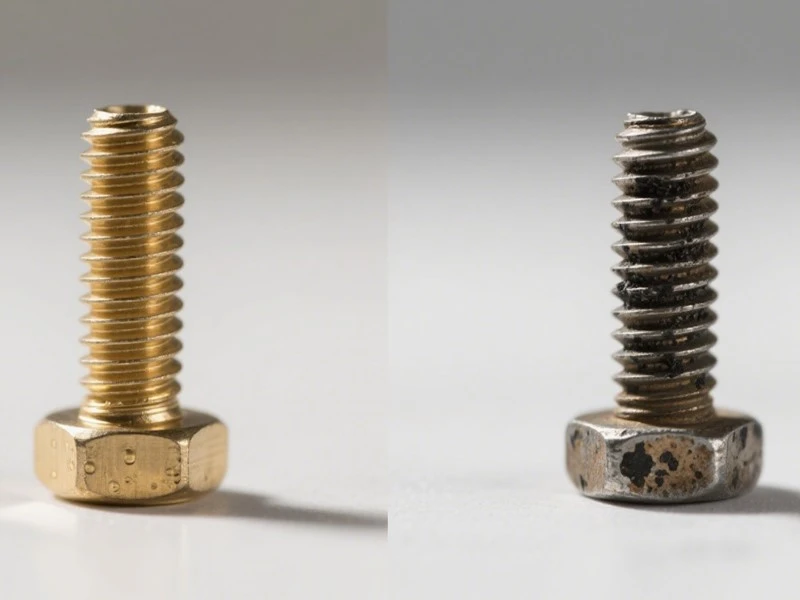
3. Exceeding Tolerances: Poor Thread Fit
✅ High-Quality Screws: Thread tolerances meet ISO 965 standards (e.g., 6g-grade external threads, 6H-grade internal threads), ensuring smooth thread engagement.
❌ Low-Quality Screws:
Thread burrs and misaligned threads can cause thread slippage or prevent tightening.
When tested with a go/no-go gauge, the go gauge may not fit through the thread, or the no-go gauge may fit through the thread.
Actual comparison: The thread pitch diameter of a certain brand of M6 screws exceeded the standard by 0.1mm. After installation, the threads stripped after only 50% of the rated torque.
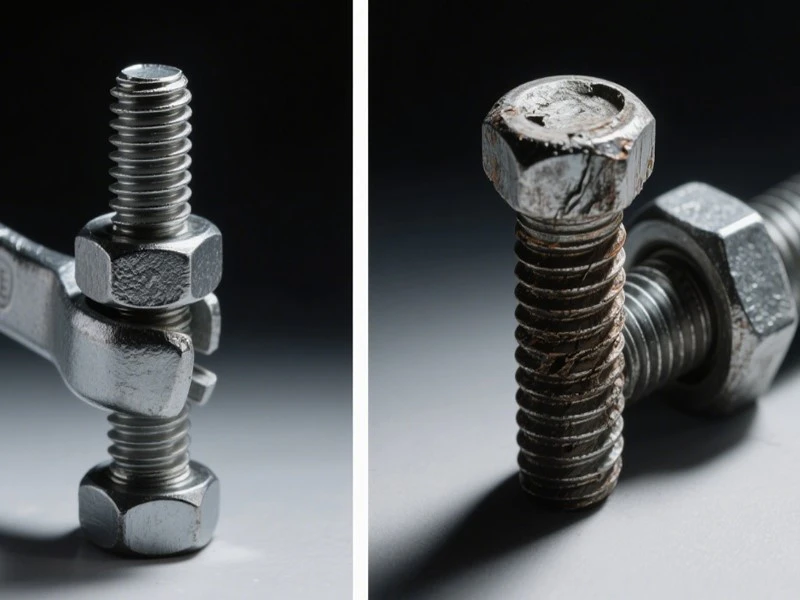
4. Cutting corners in surface treatment: prone to rust and poor wear resistance.
✅ High-quality screws:
Zinc plating ≥ 5μm (salt spray test for at least 24 hours).
Dacromet coating (salt spray test for 1000 hours or more).
❌ Low-quality screws:
Thin plating (salt spray test not required).
Bubble and peeling of the electroplating (peelable after the 3M tape test).
Industry standard: Automotive fasteners require a zinc plating layer ≥ 12μm (salt spray test for 240 hours), while low-quality products often only have a 5μm layer.
5. Lack of certification and traceability
✅ High-quality screws:
Marked with a performance grade (e.g., 8.8, A2-70).
Provide certification documents such as ISO 9001, RoHS, and ASTM. ❌ Low-quality screws:
No markings or unclear markings.
Unable to provide material certification or test reports.