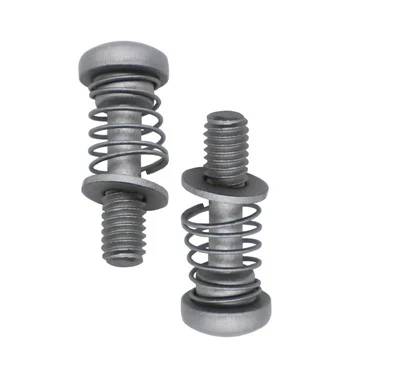
Understanding Material Properties is Essential Before Choosing Self-Tapping Screws
In actual manufacturing and assembly, most thread stripping, shell cracking, insufficient holding power, or screw breakage are not due to a quality issue with the screw itself, but rather to the use of screws made from unsuitable materials.
Different materials, such as metals, plastics, and wood, differ in hardness, elasticity, and internal structure. These characteristics directly affect the screw's forming effect during installation and its long-term holding force. Understanding the interaction between the screw and the material is fundamental to correctly selecting self-tapping screws.
|
Item |
Details |
|
Manufacturer |
|
|
Screw Type |
Self-Tapping Screw |
|
Applicable Materials |
Metal (Steel, Stainless Steel, Aluminum), Plastic, Wood |
|
Thread Design |
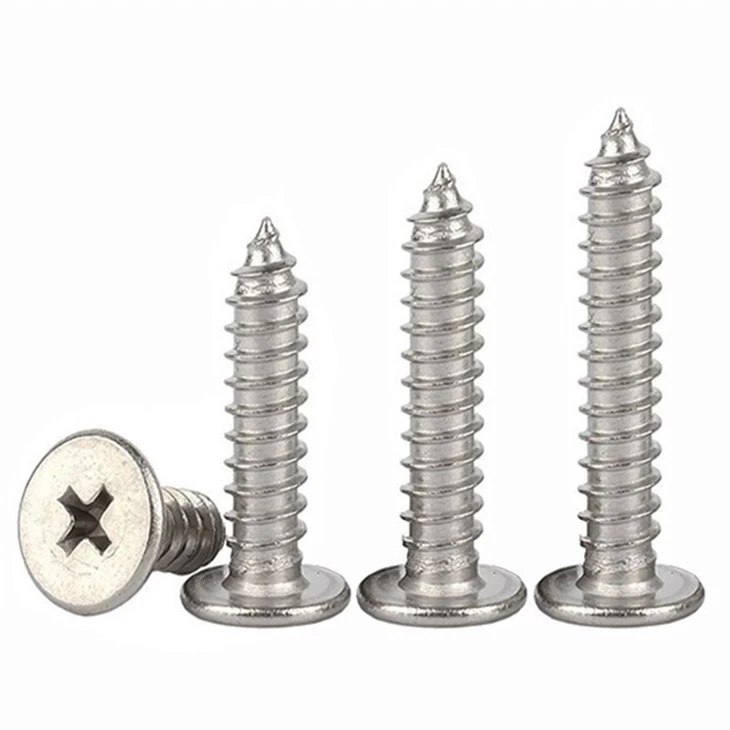
Tapered Point / Round Thread / Coarse Thread (depending on material) |
|
Screw Head Types |
Flat Head, Round Head, Countersunk Head, Phillips, Hex Socket |
|
Surface Treatment |
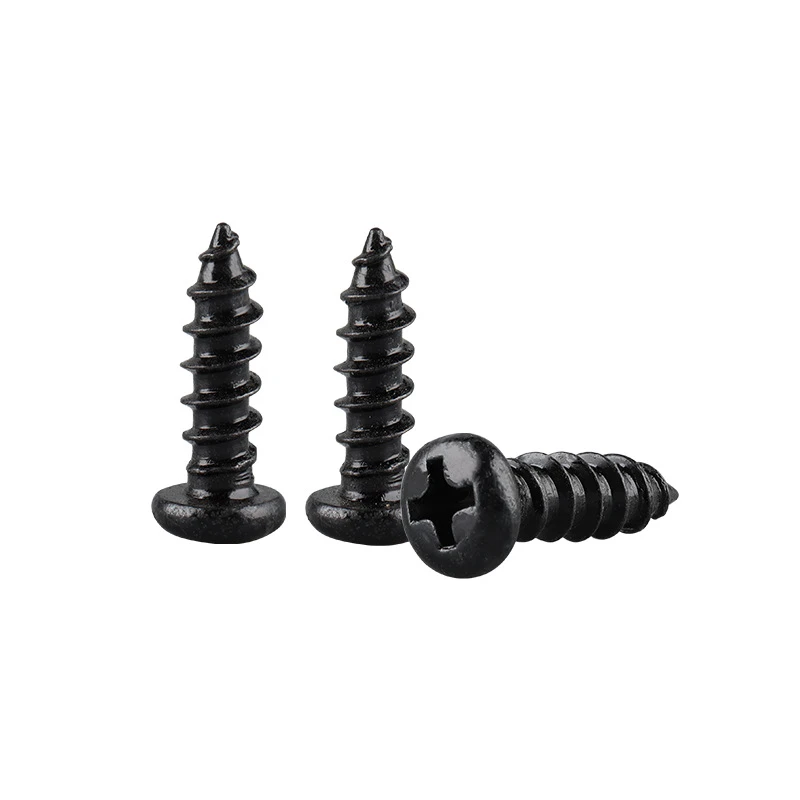
Zinc Plated, Black Oxide, Nickel Plated, Natural Stainless Finish |
|
Material |
Carbon Steel, Stainless Steel 304/316, Copper Alloy |
|
Standard Specifications |
M2 – M12, Length 6mm – 100mm |
|
Application Scenarios |
Furniture Assembly, Metal Sheet Fastening, Plastic Component Installation, Woodwork Joining |
|
Packaging Method |
Small Package (Box), Bulk Package (Bag/Drum), Custom Packaging Available |
|
Features |
High Strength & Durability, Precision Threads, Corrosion Resistant, Easy Installation, Reduced Material Damage |
|
Custom Service |
OEM/ODM Available; Supports Custom Threads, Dimensions, Surface Treatment |
|
Quality Certification |
ISO9001 / RoHS (Optional) |
How Material Matching Affects Screw Performance
Self-tapping screws form internal threads directly in the material during installation, unlike machine screws which rely on pre-formed threads. Because the screw is in direct contact with the material, the material's mechanical properties-hardness, thickness, density, and elasticity-affect the installation torque and long-term holding force. Using mismatched screws can lead to installation difficulties, thread stripping, cracking, or loosening.
For example, thin steel sheets require a sharp cutting edge to efficiently form threads, while harder stainless steel requires optimized drill bit length and thread angle to reduce installation resistance and prevent thread damage.
Metal Screw Selection: Drill Tail Length and Thread Design
Even in metal applications, the hardness and thickness of materials significantly influence the selection of self-tapping screws. Thin steel sheets require short, sharp drill tails and appropriate thread depths to ensure efficient penetration without excessive stress. Harder stainless steel requires longer drill tails and precise thread angles to reduce installation torque and prevent thread damage.
Choosing the wrong drill tail or thread geometry can lead to installation difficulties, inconsistent thread engagement, or even material deformation. By matching the drill tail length, thread depth, and angle according to the metal type and thickness, smooth installation, stable performance, and long-term durability can be achieved.
Analysis of the Relationship Between Metal Thickness and Installation Torque
Metal thickness is a key factor in determining the required installation torque. Thicker or harder metals increase installation resistance and require greater torque, while thinner metals require less torque. Applying too much torque can strip the threads, damage them, or deform the screw; too little torque may result in insecure fastening or insufficient thread engagement.
Understanding the relationship between material thickness, screw design, and installation torque helps engineers determine the optimal torque range before assembly, reducing the risk of screw failure and ensuring efficient and repeatable installation, which is especially critical in large-scale production environments.
How to Choose Specialized Self-Tapping Screws for Plastic Materials
Plastic materials are highly sensitive to localized stress. Improperly designed screws can lead to cracking, stripped threads, or loosening. Self-tapping screws originally designed for metal have excessive cutting forces that can create stress concentrations in plastic, compromising material integrity.
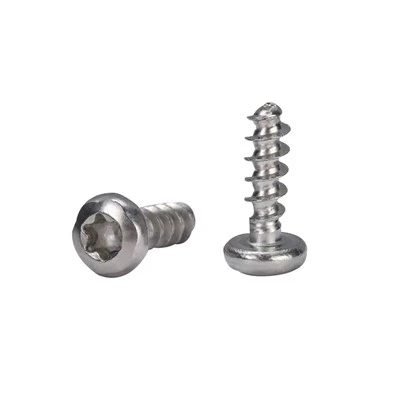
Specialized plastic screws have a larger pitch and a rounded thread profile. This design allows the plastic to gradually deform during installation, evenly distributing stress and maintaining thread integrity.
Plastic Self-Tapping Screws: The Impact of Thread Design on Holding Force
Thread geometry-including pitch, profile, and depth-directly affects the holding force of plastic assemblies. Incorrect thread design can lead to stripped threads, poor engagement, and gradual loosening, especially in applications requiring repeated assembly and disassembly. A rounded profile and optimized pitch design reduce stress concentration, improve fatigue resistance, and prevent cracking.
Furthermore, a suitable thread geometry can reduce installation torque while maintaining maximum holding force, especially suitable for brittle or fragile plastics. Choosing screws with optimized thread designs ensures reliable fastening without damaging the material.
Wood Screw Selection: Coarse Threads and Pointed Heads
Wood and its composites (such as MDF and particleboard) require coarse threads and optimized pointed head designs. Coarse threads can hold more material, increasing holding force; pointed head designs reduce splitting along the grain and ensure accurate alignment during installation.
Using metal-specific screws in wood often results in insufficient fastening force, cracking, or stripped threads. Choosing screws specifically designed for wood ensures a strong and stable connection and protects the material during installation.
Wood Screw Surface Treatment and Aesthetics Analysis
In furniture and decorative wood applications, both appearance and corrosion resistance are important. Surface treatments such as galvanizing, black anodizing, or decorative coatings not only prevent rust but also maintain an aesthetically pleasing appearance. Balancing functionality and aesthetics ensures that screws meet both engineering and design requirements.
Common Selection Mistakes When Purchasing Self-Tapping Screws
Many buyers focus solely on price, neglecting material matching, thread geometry, or installation parameters. Some even purchase in bulk without conducting sample testing. These mistakes often lead to assembly failures, increased rework, and rising long-term costs. Avoiding these problems requires careful evaluation of screw design and specific application requirements.
Choose a Professional Manufacturer to Ensure Reliable Screw Performance
Experienced manufacturers can provide technical guidance to ensure screws are matched to materials, loads, and environments. They can provide sample testing, application analysis, and custom thread or coating designs. OEM and ODM support helps buyers optimize performance and reduce risk.
Correct Selection Ensures Long-Term Reliability of Self-Tapping Screws
Correctly selecting self-tapping screws is fundamental to achieving durable and reliable fastening. By understanding material properties, matching screw design to application requirements, and controlling installation parameters, buyers can avoid common failures and maintain consistent performance. Partnering with professional manufacturers further ensures screws meet technical and environmental requirements, resulting in cost-effective, long-term reliable fastening solutions.