China has become one of the most important hex nut supply bases in the global fastener sourcing market. More and more buyers, engineering companies, brand owners, and OEM customers are looking to Chinese hex nut manufacturers for long-term partnerships.
Therefore, when choosing a Chinese hex nut manufacturer, buyers should not only focus on price, but also comprehensively evaluate the factory's production capacity, quality system, international certifications, OEM customization capabilities, and industry experience.
As a fastener manufacturer with 19 years of experience, I will explain in detail, from a professional industry perspective, how to choose a truly reliable Chinese hex nut manufacturer.

Why are more and more buyers choosing Chinese hexagonal nut manufacturers?
From steel raw material supply to cold heading, tapping, heat treatment, electroplating surface treatment, and export packaging, China has a complete industrial supporting capability.
Cost and Efficiency Advantages of a Complete Supply Chain
In many countries, fastener production often relies on multiple external suppliers to complete different processes. However, professional fastener factories in China can achieve integrated production from raw material procurement to finished product packaging.
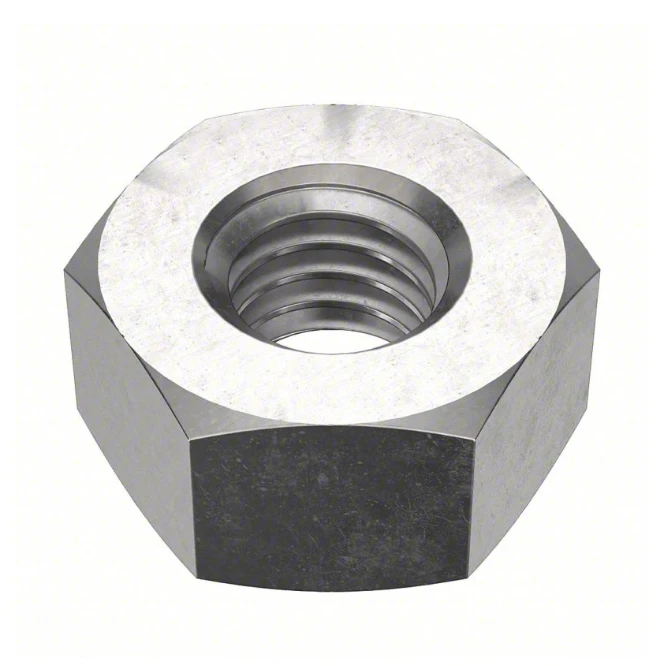
For example, the production process of a standard DIN934 hexagonal nut includes:
· Raw material procurement
· Cold heading
· Tapping
· Heat treatment
· Surface treatment
· Inspection
· Packaging
China's mature supply chain allows these processes to be completed in a shorter time while ensuring the stability of mass production.
Strong OEM and Non-Standard Customization Capabilities
In actual procurement, many customers purchase not just standard hex nuts, but non-standard fasteners customized according to equipment, mechanical structures, or special application scenarios.
For example:
· Special thread specifications
· Non-standard sizes
· Special materials
· Special strength grades
· Special surface treatments
· Special packaging requirements
Many professional hex nut manufacturers in China have mature OEM and ODM production experience and can customize products based on customer drawings, samples, or technical requirements.
This customization capability is crucial for the automotive, electronics, new energy, and industrial equipment industries because different equipment has different requirements for the dimensions, tolerances, materials, and corrosion resistance of hex nuts.
What core capabilities should a reliable Hex Nut manufacturer possess?
For global buyers, selecting a reliable Hex Nut manufacturer requires a thorough understanding of whether the factory truly possesses stable manufacturing capabilities, a comprehensive quality control system, and long-term supply capacity. While hex nuts are standardized industrial fasteners, in practical applications, they directly impact the safety and stability of machinery, building structures, automotive parts, and industrial assemblies.
Therefore, a truly reliable Hex Nut manufacturer must possess multiple core capabilities simultaneously, including production equipment, technical capabilities, quality management, adherence to international standards, and stable delivery. Buyers need to conduct a comprehensive evaluation from multiple dimensions, including factory authenticity, production system, quality control processes, and industry experience, when selecting a supplier.
Is it a genuine fastener manufacturing plant?
Many so-called "Hex Nut Manufacturers" on the market are actually just trading companies or intermediaries. They don't have their own production workshops and manufacturing equipment; instead, they purchase products from different factories and then resell them to customers.
Trading companies themselves aren't necessarily bad; some large trading companies have extensive export experience and strong resource integration capabilities. However, if a trading company lacks stable cooperative factories or technical capabilities, the following problems can easily arise:
· Products come from different factories, resulting in differences in size and color.
· Inconsistent thread precision between different batches.
· Unstable surface treatment processes.
· Delivery time depends on external factory arrangements and cannot be effectively controlled.
· Customer technical requirements cannot be accurately communicated to the production end.
Therefore, when selecting a Hex Nut Supplier, buyers first need to confirm whether the other party is a factory with genuine production capabilities.
How can buyers determine if a factory is genuine?
Many overseas buyers are unable to personally visit factories in China, therefore they need to use multiple methods to comprehensively assess the authenticity of suppliers.
View Factory Production Videos
· Cold Heading Production Line
· Automated Tapping Process
· CNC Machining Equipment
· Inspection Process
· Automated Packaging Process
Through production videos, buyers can gain a more intuitive understanding of the factory's scale and the completeness of its production processes.
Check the number of equipment and factory size
· Cold heading machine
· Automatic tapping machine
· Heat treatment equipment
· Optical screening equipment
· Salt spray testing equipment
· Tensile testing equipment
The number of equipment reflects not only the factory size but also its mass production capacity.
Requires video factory audits:
· Check the workshop
· Check equipment operation
· Check the warehouse
· Check the testing laboratory
· Check the packaging area
This method allows for a more direct assessment of the factory's authenticity.
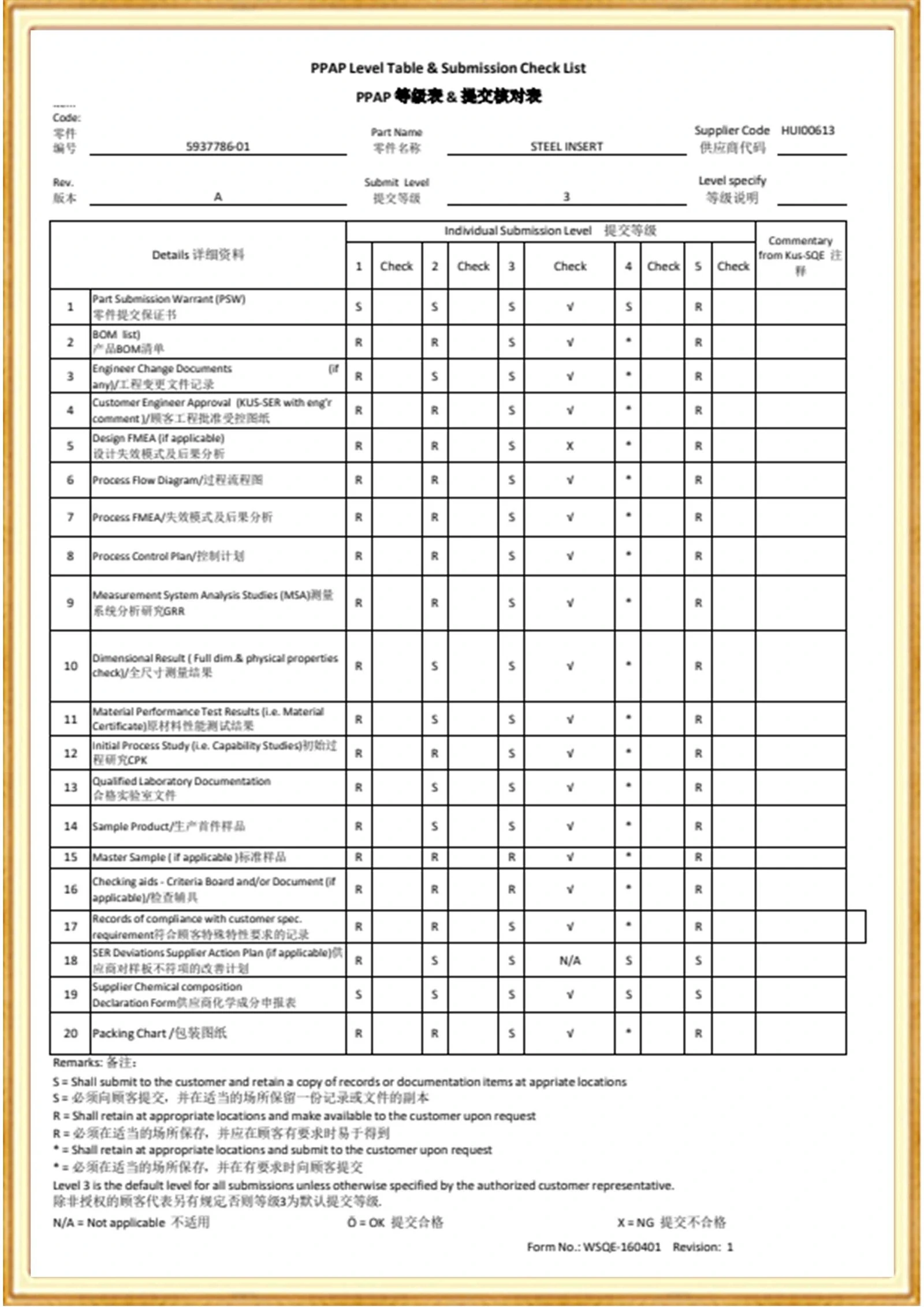
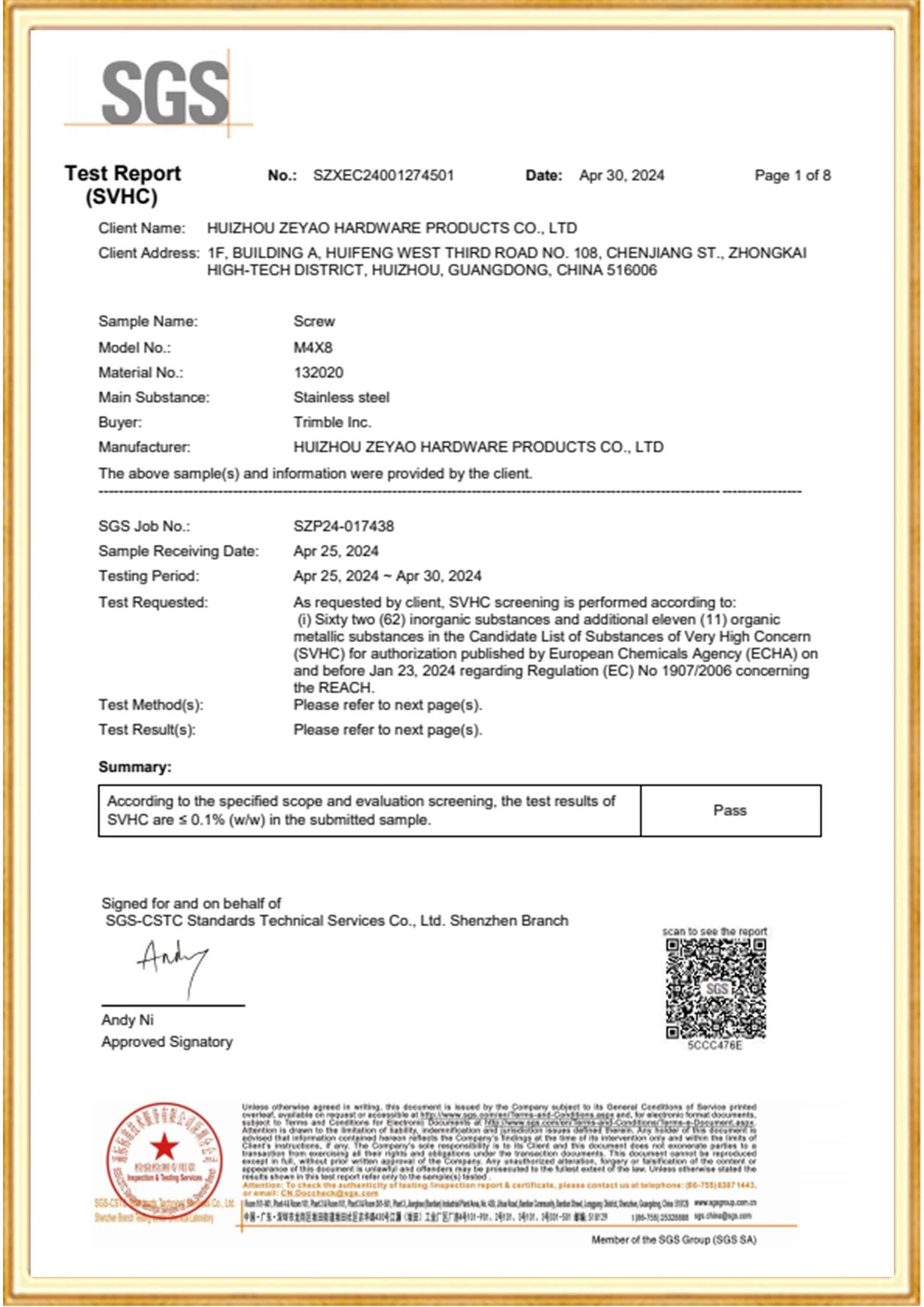
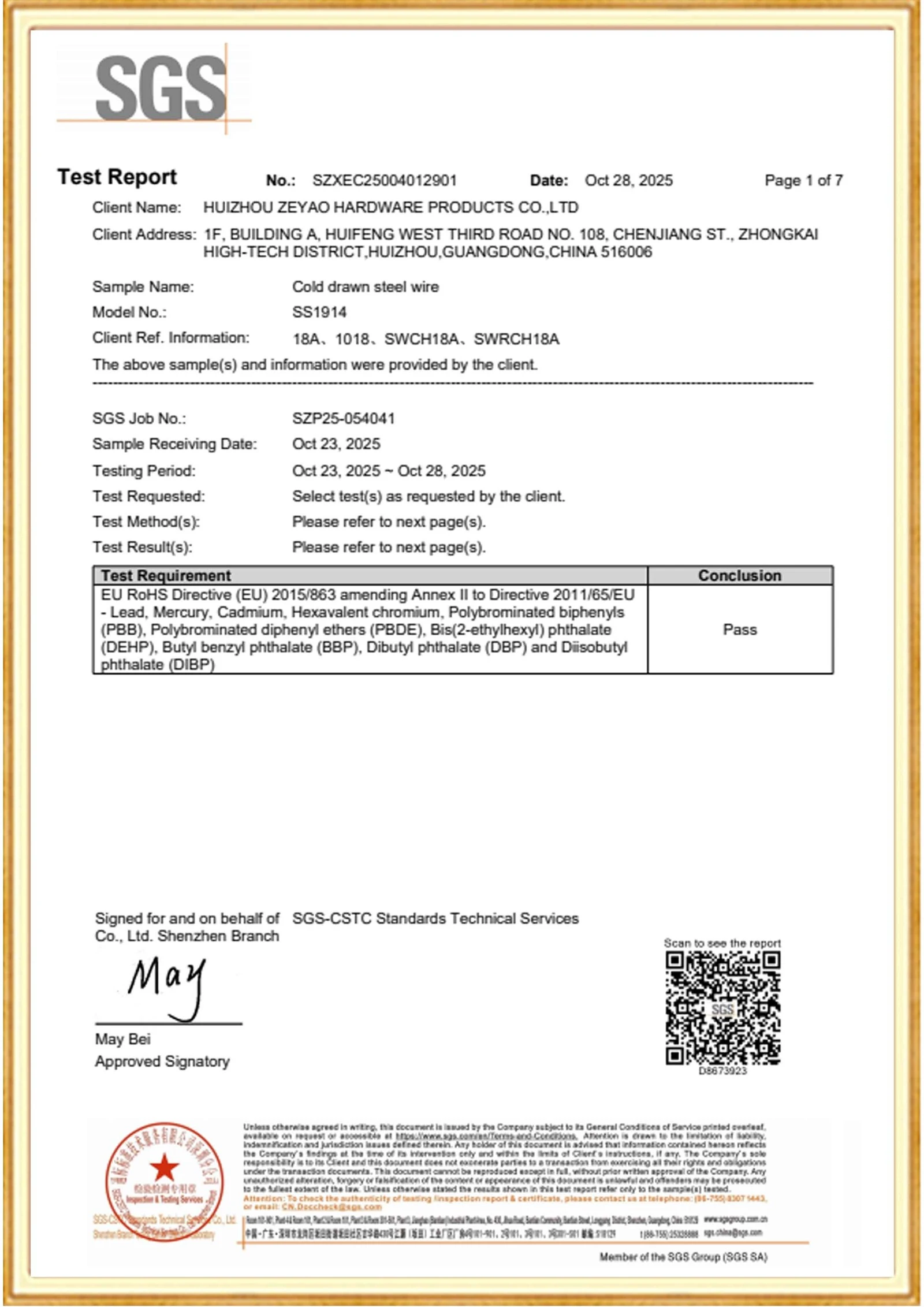
View Factory Certifications and Testing Reports
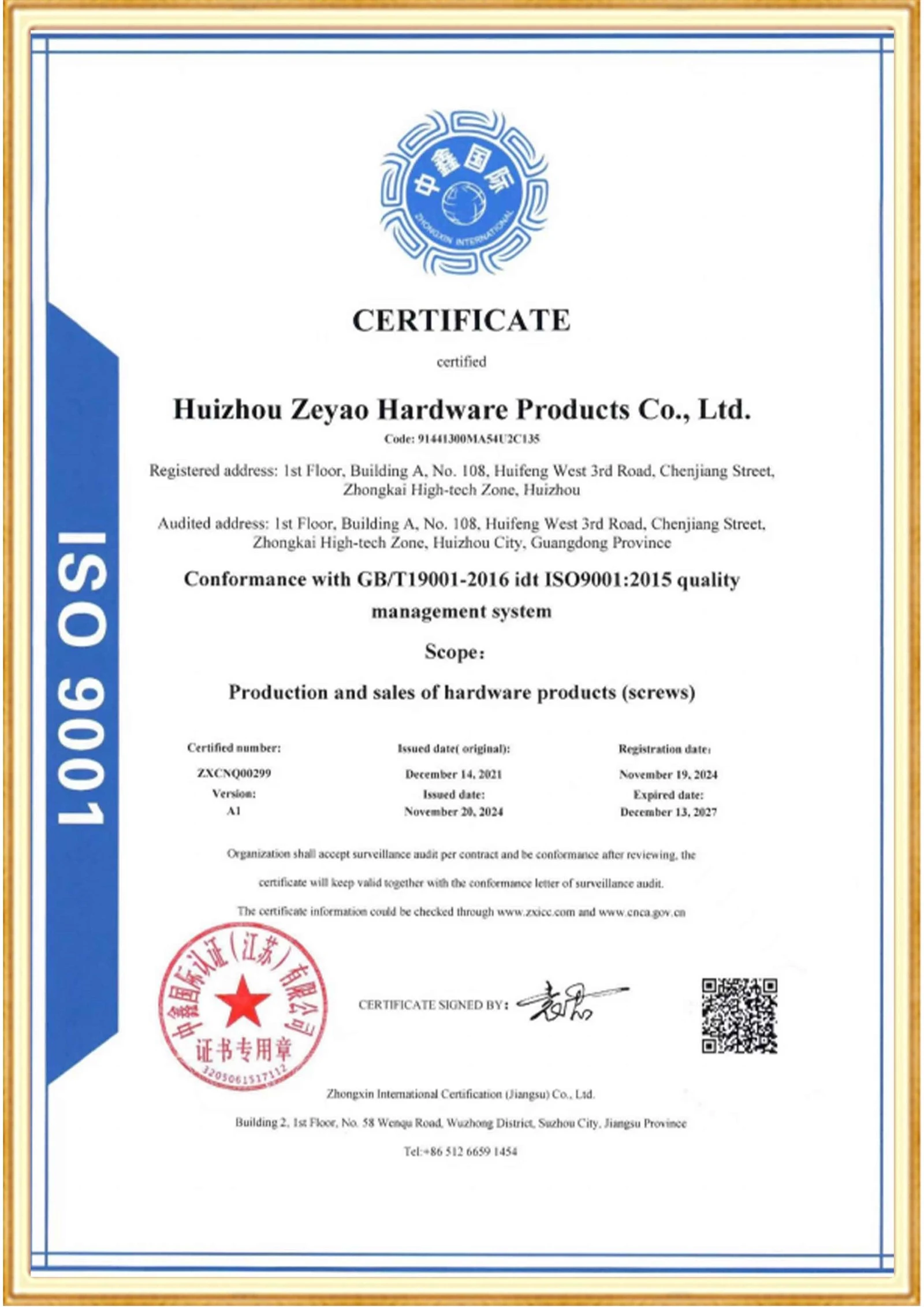
· ISO9001
· SGS Testing Report
· RoHS Environmental Report
· REACH Certification
· PPAP Documents (Automotive Industry)
These documents not only demonstrate the factory's management capabilities but also reflect its international export experience.
Does the factory possess an ISO 9001 quality management system?
Many buyers pay particular attention to ISO 9001 certification when selecting suppliers, as it's more than just a certificate; it represents whether a factory has a systematic and standardized quality management process.
Many low-cost factories can produce products, but due to the lack of a complete quality management system, they are prone to batch quality inconsistencies. For example:
* Products produced today are合格 (qualified/compliant).
* Products of the same specification next month may have dimensional deviations.
* Different batches may have different colors.
* Inconsistent thread precision.
This situation is very common in small factories lacking a quality management system.
The Importance of Raw Material Inspection
Professional factories will test the following before raw materials enter the warehouse:
· Chemical composition
· Material strength
· Hardness
· Material specifications
· Surface quality
Because the quality of raw materials directly affects the subsequent performance of hexagonal nuts.
The Importance of Production Process Inspection
During the production process, specialized factories typically conduct continuous inspections, rather than waiting until all products are completed.
Inspection items include:
· Thread accuracy
· Dimensions across flats
· Thickness
· Concentricity
· Surface finish
Dimensional inspection usually uses:
· Calipers
· Micrometers
· Optical inspection equipment
These inspections ensure that products meet DIN, ISO, or ANSI standards.
Why is a batch traceability system so important?
Because if quality issues arise later, factories need to be able to quickly trace:
· Raw material source
· Production date
· Production equipment
· Inspection records
· Operators
Professional Hex Nut manufacturers establish complete batch management systems, which are especially important for the automotive, new energy, and heavy machinery industries.
Why are international standards so important for hex nuts?
Many buyers often see the following standards when purchasing hex nuts:
·DIN934
·ISO4032
·ANSI B18.2.2
These are all international fastener standards.
These standards not only determine the dimensions of the hex nut, but also:
·Thread precision
·Mechanical properties
·Match stability
·Load capacity
Therefore, reliable Hex Nut manufacturers typically produce products strictly according to international standards.
The Importance of DIN Standards
DIN standards originate from German industrial standards and are widely used in the global industrial sector.
For example, DIN 934 is the standard for hexagonal nut dimensions.
It specifies:
· Dimensions across flats
· Thickness
· Thread specification
· Tolerance range
Many mechanical equipment and industrial projects explicitly require products conforming to DIN standards.
The Importance of ISO Standards
ISO 4032 is one of the most widely used international standards for hexagonal nuts. Compliance with ISO standards means that products are more easily applicable to the global market.
Summary: How to Choose a Hex Nut Manufacturer in China?
In the global fastener sourcing market, China has become one of the most important supply bases for hex nuts. China not only possesses a complete fastener industry chain, but also mature OEM customization capabilities, large-scale production capacity, and rich international export experience. Therefore, more and more buyers, engineering companies, and brand owners are choosing to source hex nuts from China.
However, for buyers, what is truly important is not just finding a supplier with the lowest price, but finding a professional hex nut manufacturer with whom they can have a long-term and stable partnership. This is because, although hex nuts are standard industrial fasteners, they directly affect the stability and safety of machinery, automotive parts, building structures, and industrial assemblies.
When selecting a Chinese hexagonal nut manufacturer, buyers should focus on the following aspects:
· Does the manufacturer genuinely own a fastener factory with production workshops and equipment?
· Does it possess complete capabilities in cold heading, tapping, heat treatment, and testing?
· Is it ISO9001 quality management system certified?
· Can it provide SGS, RoHS, REACH, and other testing reports?
· Does it have stable OEM and non-standard customization capabilities?
· Does it have a comprehensive quality control and batch traceability system?
· Does it have extensive export experience and stable delivery capabilities?
Furthermore, when comparing suppliers, buyers should not only focus on product price but also prioritize long-term procurement stability. Low-priced products may indicate poor raw material quality, inadequate testing processes, and unstable surface treatments, potentially leading to rework, customer complaints, or even project losses later on.
FAQ
Q: How can I determine if a Chinese Hex Nut Manufacturer is a genuine factory?
A: You can check production videos, equipment quantity, ISO certification, and third-party factory audit reports.
Q: What are the most common international standards for hex nuts?
A: Common standards include DIN934, ISO4032, and ANSI B18.2.2.
Q: What is the difference between 304 and 316 stainless steel hex nuts?
A: 316 stainless steel has stronger corrosion resistance and is more suitable for marine and highly corrosive environments.
Q: Do Chinese Hex Nut Manufacturers support OEM customization?
A: Most professional fastener factories support OEM and non-standard customization services.
Q: Why is salt spray testing important?
A: Salt spray testing helps assess a product's corrosion resistance, which is especially important for the automotive, outdoor, and marine industries.