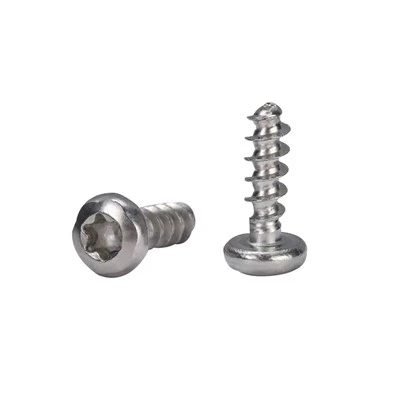
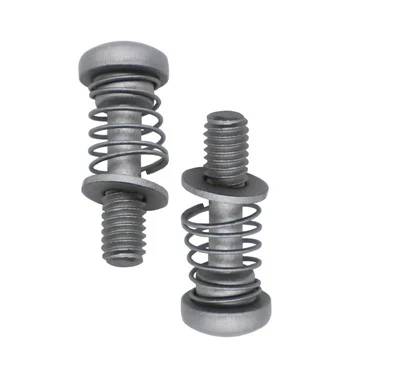
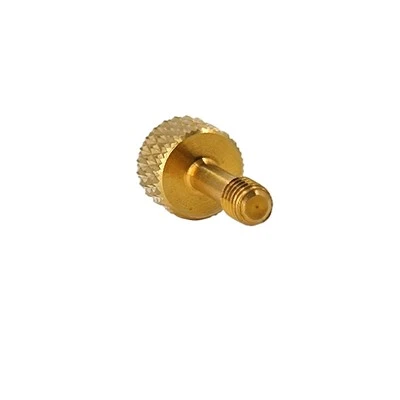
In the grand scheme of manufacturing, every seemingly tiny fastener-from a screw to a specialized bolt-is an indispensable cornerstone of modern industry. However, these parts have more than one path to creation. Cold heading and machining/turning are the two core processes in fastener manufacturing. Like the two martial arts schools, each possesses unique skills and is suited to different battlefields.
Understanding the differences between these two processes is crucial for designers, engineers, and procurement personnel, as it directly impacts product performance, cost, and lead time. This article provides an in-depth comparison of the two processes to help you make the most informed choice.
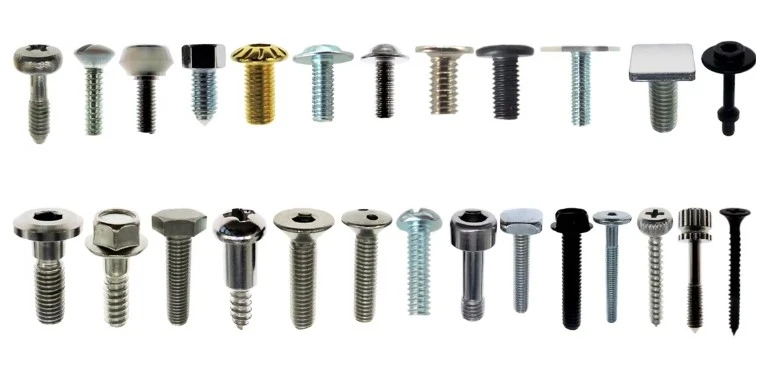
Core Concepts: The Essential Differences Between the Two Processes
1. Cold Heading: A "Shaping" Process
Cold heading utilizes the plastic deformation capacity of metal at room temperature. High pressure is applied to a metal wire through a die, causing it to rearrange its shape within the die cavity, thereby creating a part. It's like playing with playdough, "molding" the material into its final shape through steps like extrusion, upsetting, and punching, without removing any material.
2. Machining: A "removal" process
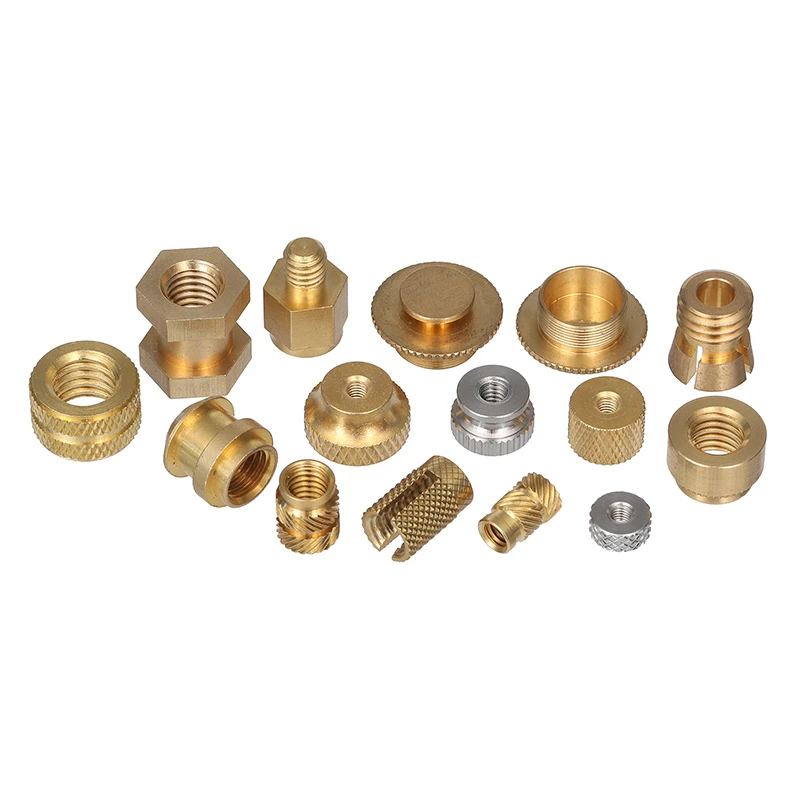
Turning uses a lathe or other machine tool, using sharp cutting tools, to remove excess material from a larger bar or blank, gradually producing the desired shape and size. It's more like a "sculptor," repeatedly reducing the workpiece until it reaches its final form.

Cold heading is preferred when you need:
Large-volume production (typically over 100,000 pieces).
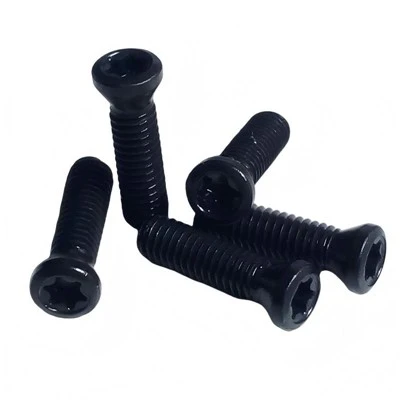
The product is a standard or slightly modified fastener (such as a bolt, screw, rivet, or stud).
You seek the highest material strength and fatigue resistance.
You are extremely cost-conscious and want to minimize the cost per part.
The product geometry meets the requirements of the cold heading process (axisymmetric and can be formed by stamping).
Turning is preferred when you need:
Small-volume production or rapid prototyping (proofing). The product is non-standard, special-shaped, or has a complex structure (e.g., radial holes, flat grooves, or non-circular features).
Extremely strict dimensional tolerances are required.
The material used is not suitable for cold heading (e.g., certain carbides or brittle materials).
An extremely high surface finish is required.