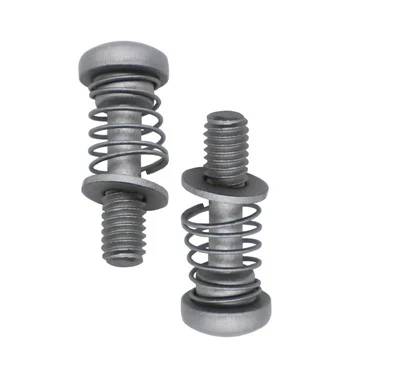
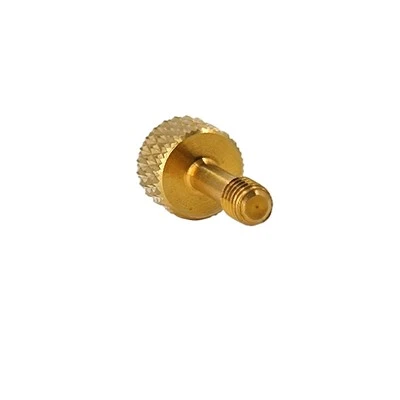
Production Process:
The production process of press-fit nuts is quite similar to that of other screws. The main difference is that screws are forged using screw machines, while nuts are forged using nut machines.
First, determine the material and composition of the press-fit nut to select the appropriate raw wire material for production. Once the material and composition are confirmed, the corresponding screw wire can be purchased.
Identify the specifications, type, size, and length of the press-fit nut to determine the appropriate wire diameter.
After confirming the material, composition, specifications, and type, check whether it is a standard press-fit nut. If so, the factory will likely have the corresponding molds. If it is non-standard, custom molds must be ordered.
Once all production preparations are complete, use a nut machine to forge the shape (appearance) of the press-fit nut.
After forging, use a tapping machine to thread the nut.
Once threading is complete, proceed with electroplating. Stainless steel press-fit nuts do not require electroplating and only need cleaning. For other colors, they must be sent to a
specialized electroplating facility for treatment.
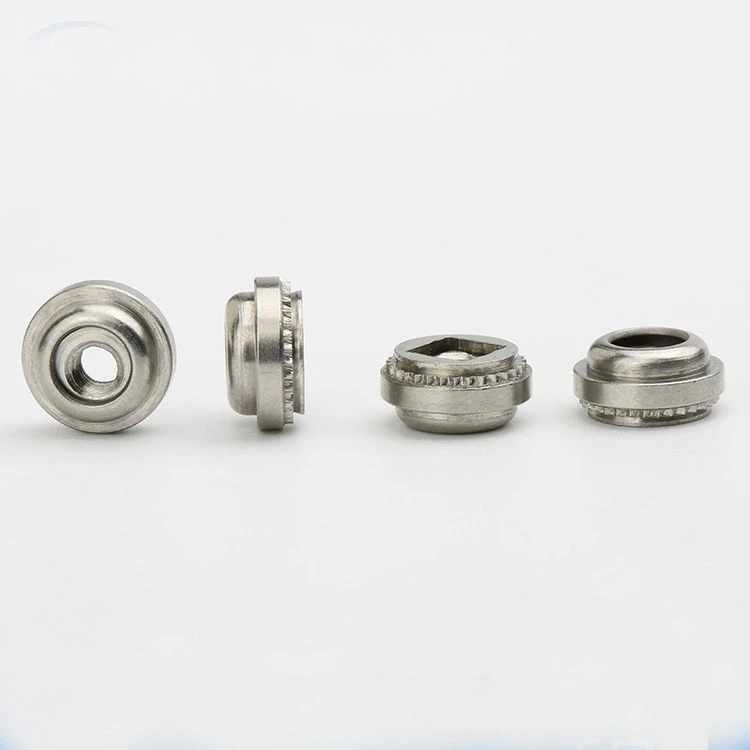
Usage:
S-series press-fit nuts are made of free-cutting iron, heat-treated, and surface-treated. CLS-series press-fit nuts are made of free-cutting stainless steel and do not undergo surface treatment.
The hardness of low-carbon steel plates must be less than 70 RB, and the hardness of stainless steel plates must be less than 80 RB.
Suitable for plates of various thicknesses, with a minimum thickness of 0.8mm. The tail code (Z) corresponding to dimension A must be determined based on the plate thickness and nut specifications. Users should select the tail code when placing orders according to the plate
thickness and reference table.
The aperture size must be precisely controlled, with a tolerance of 0 to +0.075mm. Punching is the preferred method for hole preparation. The nut should generally be installed from the "break-off" side of the plate. The installation process is typically achieved through "press-fit" operations, and impact or hammering must never be used.

Precautions:
Although the installation method and principles for press-fit studs are established, specialized riveting equipment is still required to ensure stable performance after installation. This is an indispensable factor. During installation, ensure that the riveting machine and the head of the press-fit stud remain vertical and balanced, applying even downward pressure. The installation process must be completed through "press-fit" operations, and impact or hammering is strictly prohibited.