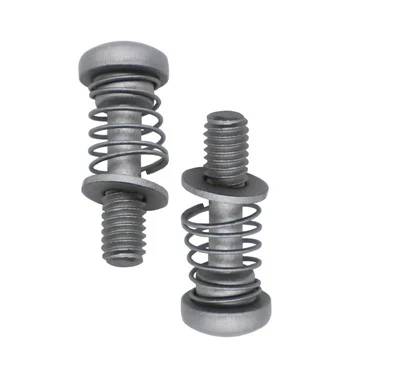
Spring washers are one of the most widely used locking fasteners in mechanical assemblies. Although they have a simple appearance, they play an important role in helping bolted joints maintain stability under vibration, dynamic loads, and repeated use.
Many people assume that a spring washer simply "adds friction" to prevent a nut from loosening. In reality, its working principle is more complex. The washer is designed to generate elastic force after installation, helping the fastener maintain clamping pressure even when slight movement or material deformation occurs.
What Is a Spring Washer?
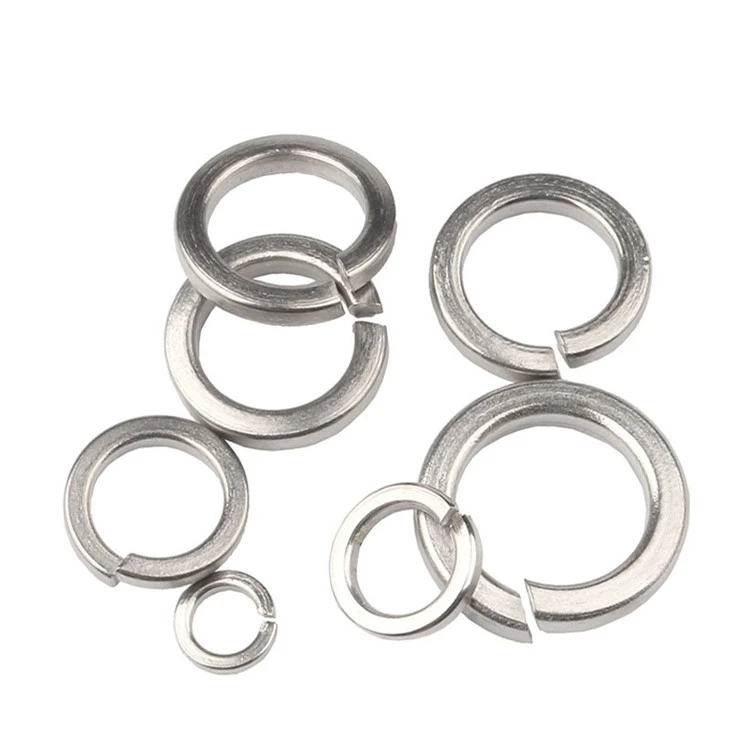
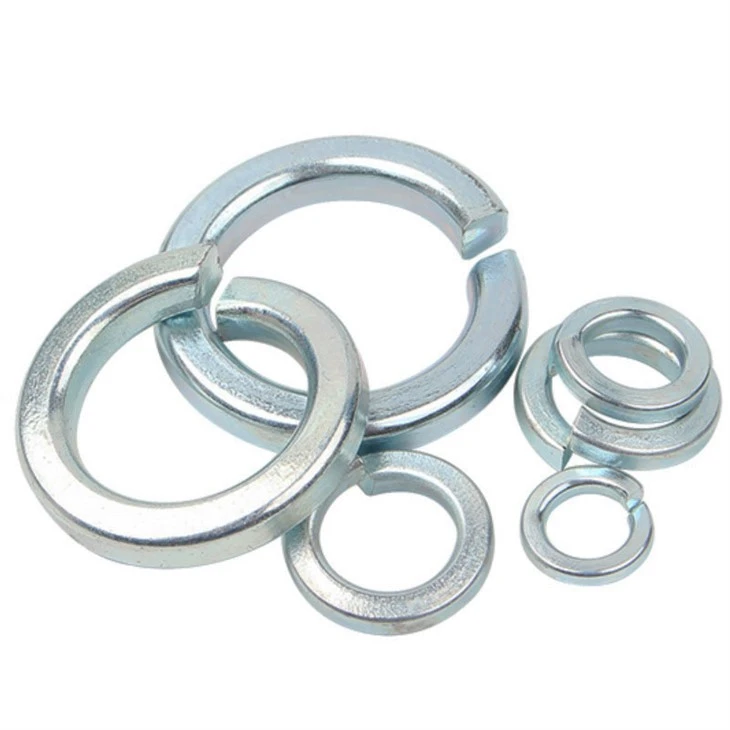
A spring washer is a mechanical locking washer designed with a split ring and a slightly twisted or helical shape. Unlike a flat washer, which mainly distributes the load over a larger surface area, a spring washer is specifically designed to introduce elasticity into a bolted connection.When the bolt or nut is tightened, the washer is compressed between the fastener and the joint surface. During compression, the spring washer attempts to return to its original shape, creating continuous elastic force against both surfaces.
Spring washers are manufactured in various materials, including carbon steel, stainless steel, alloy steel, and spring steel. Because of their simple design, low cost, and easy installation, spring washers remain one of the most commonly used locking devices in industrial fastening systems.
How Does a Spring Washer Work?
The effectiveness of a spring washer comes from its ability to maintain elastic pressure within a bolted joint. When a bolt is tightened, the connection is held together by preload, which is the clamping force generated during tightening. As long as this preload remains stable, the joint stays secure.
However, in real working conditions, preload gradually decreases due to vibration, temperature changes, repeated loading, material settlement, and slight deformation of the connected components.
How Elastic Force Maintains Bolt Preload
As the bolt is tightened, the split ring is compressed and stores elastic energy. Even if the connected materials move slightly or settle over time, the washer attempts to recover its original shape.
How Spring Washers Increase Friction
Another important function is increasing the friction between the contact surfaces. The compression force generated by the washer increases the normal force between the nut, washer, and workpiece.
The split ends of the washer may also create slight mechanical resistance by biting into the mating surfaces, particularly on steel components. Although this biting effect contributes to locking performance, modern engineering studies generally agree that the primary function of a spring washer is maintaining preload rather than relying solely on mechanical biting.For this reason, spring washers perform best in applications where moderate vibration exists and maintaining bolt tension is essential.
Spring Washer vs. Flat Washer
Although spring washers and flat washers are often used together, they perform very different functions.
What Does a Flat Washer Do?
A flat washer primarily distributes the tightening force over a larger contact area. This helps protect softer materials from damage, reduces surface indentation, and improves load distribution. However, a flat washer does not provide any locking function by itself.
What Does a Spring Washer Do?
A spring washer, on the other hand, is specifically designed to improve fastening security by maintaining elastic pressure within the joint. It helps reduce the risk of loosening caused by vibration or relaxation of the clamping force.In many industrial assemblies, engineers combine both washers. The flat washer protects the surface, while the spring washer helps maintain bolt preload.
Common Applications of Spring Washers
Spring washers are used in many industries because bolted joints are rarely exposed to completely static conditions. Machines vibrate, equipment heats and cools, structures expand and contract, and components experience repeated loading during operation.
Automotive Industry
Spring washers are frequently used in engine assemblies, suspension systems, braking components, and chassis connections where vibration is unavoidable.
Industrial Machinery
Manufacturing equipment, conveyors, pumps, compressors, and heavy-duty machines all experience continuous mechanical movement that can gradually reduce bolt preload.
Electrical Equipment
Control cabinets, electrical panels, transformers, and power distribution equipment often use spring washers to maintain secure electrical connections while minimizing loosening caused by equipment vibration.
Construction and Heavy Equipment
Construction machinery, agricultural equipment, mining machines, railway systems, and general industrial equipment also use spring washers extensively because reliable fastening directly affects equipment safety and service life.
Advantages and Limitations of Spring Washers
Advantages of Spring Washers
Spring washers offer several important advantages. They are inexpensive, easy to install, compatible with standard bolts and nuts, and require no special installation tools. Their ability to maintain elastic pressure makes them suitable for many general industrial fastening applications.
Limitations of Spring Washers
For applications involving severe vibration, heavy impact loading, or critical safety requirements, spring washers alone may not provide sufficient locking performance. In addition, repeated reuse may reduce the elastic properties of a spring washer. If the washer has been permanently deformed, corroded, or damaged during previous installation, it should be replaced rather than reused.
How to Choose the Right Spring Washer
Selecting the right spring washer involves more than simply matching the bolt size. Factors such as material, industry standards, surface treatment, and manufacturing quality all affect the washer's performance, durability, and service life. Choosing the correct spring washer helps improve joint reliability, reduce maintenance, and ensure long-term fastening stability.
Choose the Right Material
The material determines the spring washer's strength, elasticity, and corrosion resistance. Carbon steel spring washers are widely used for general industrial applications because they offer high strength and cost-effective performance. For outdoor, marine, food processing, or chemical environments, 304 and 316 stainless steel spring washers provide excellent corrosion resistance and a longer service life.
Check International Standards
A high-quality spring washer should comply with recognized standards such as DIN 127, DIN 7980, or ISO specifications. Using standardized products also improves compatibility, simplifies replacement, and reduces assembly issues.
Select the Proper Surface Treatment
Surface treatment protects spring washers from corrosion and extends their service life. Zinc plating is suitable for most indoor industrial applications, while hot-dip galvanizing provides better protection for outdoor environments. Black oxide is commonly used for machinery, and passivation enhances the corrosion resistance of stainless steel spring washers. The appropriate finish should be selected according to the working environment.
Evaluate the Manufacturer's Quality
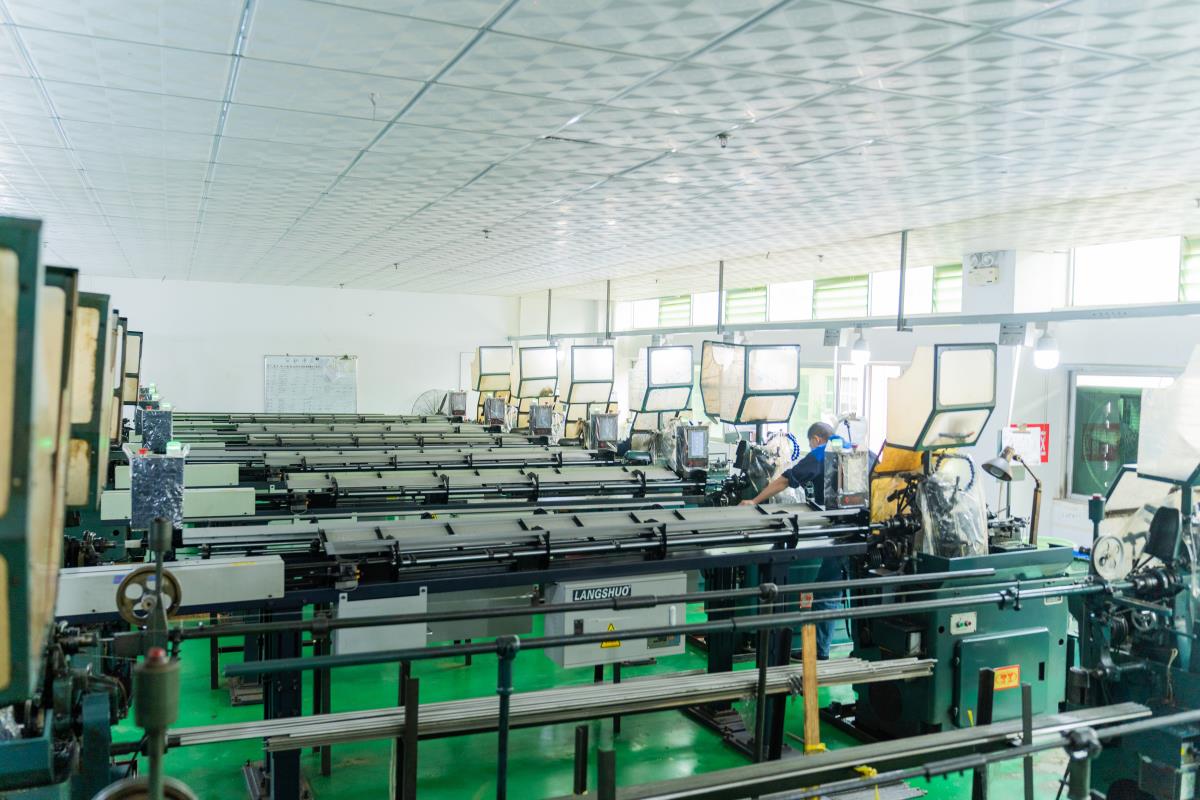
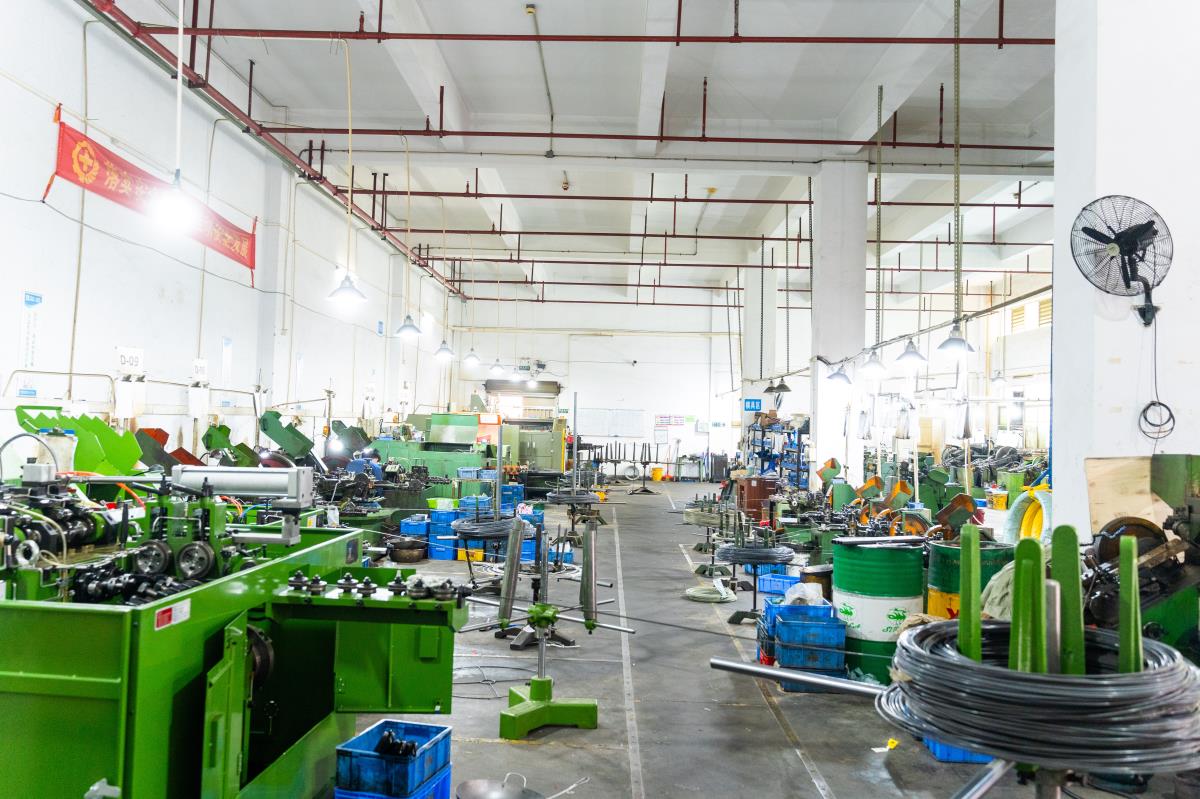
A reliable spring washer manufacturer should have a stable production process and a comprehensive quality management system. Look for suppliers with ISO 9001 certification, advanced inspection equipment, and strict quality control throughout production. Manufacturers with extensive OEM experience and modern production facilities are more likely to deliver consistent quality, reliable lead times, and long-term supply stability.
Conclusion
Although a spring washer is one of the simplest components in a fastening system, its function is extremely important. By generating continuous elastic force and helping maintain bolt preload, it improves the stability of bolted joints and reduces the likelihood of loosening during normal operation.
FAQ
Q: What is the function of a spring washer?
A: Spring washers help maintain bolt preload and reduce the risk of loosening due to vibration or movement.
Q: Can spring washers completely prevent bolt loosening?
A: No. They help reduce loosening under normal conditions, but may require additional locking measures under severe vibration.
Q: Can spring washers be reused?
A: Reuse is not recommended if the washer loses its elasticity, is damaged, or shows signs of corrosion.
Q: What materials are spring washers made of?
A: Common materials include carbon steel, stainless steel, spring steel, and alloy steel.
Q: In which fields are spring washers typically used?
A: They are widely used in the automotive, industrial machinery, electrical equipment, construction, agricultural machinery, and general machinery assembly industries.
Q: How to choose the right spring washer?
A: Select washers based on bolt size, material, corrosion resistance, application environment, and international standards such as DIN or ISO.