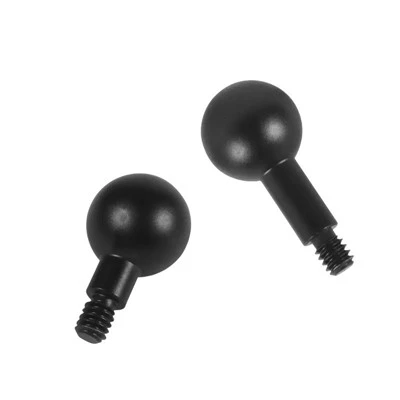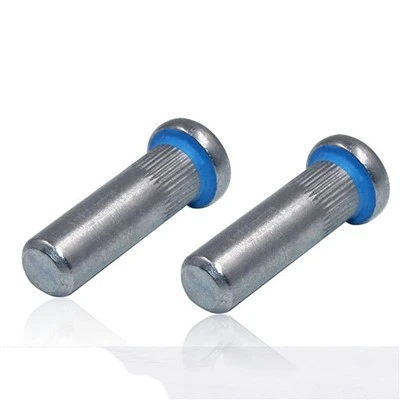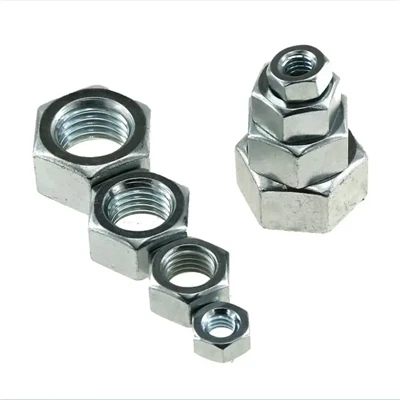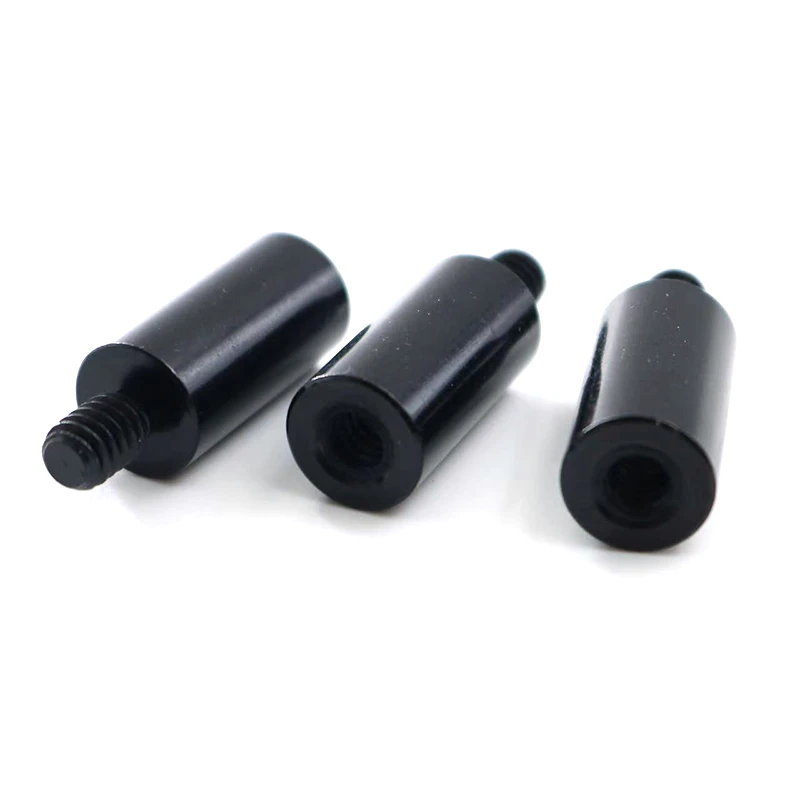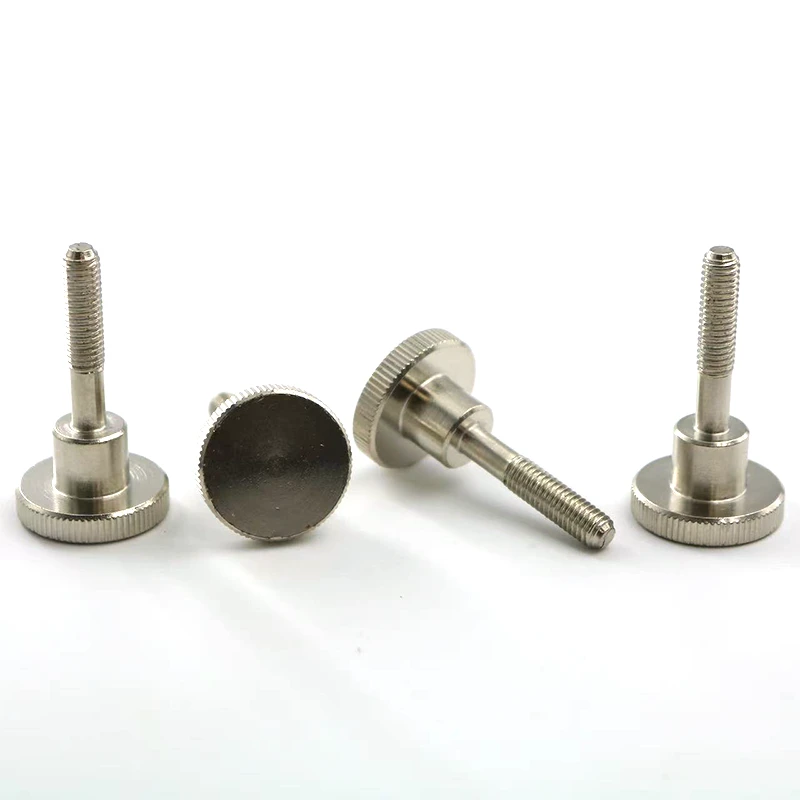
In mechanical design and engineering applications, thread selection is often overlooked, yet it is a critical factor in determining connection reliability. Coarse and fine threads each have their advantages and disadvantages, and improper selection can lead to connection failure, component damage, and even safety incidents. This article will provide an in-depth understanding of the characteristics of these two thread types, helping you make an informed choice for different applications.
Understanding the Basic Characteristics of Threads
Characteristics of Coarse Threads
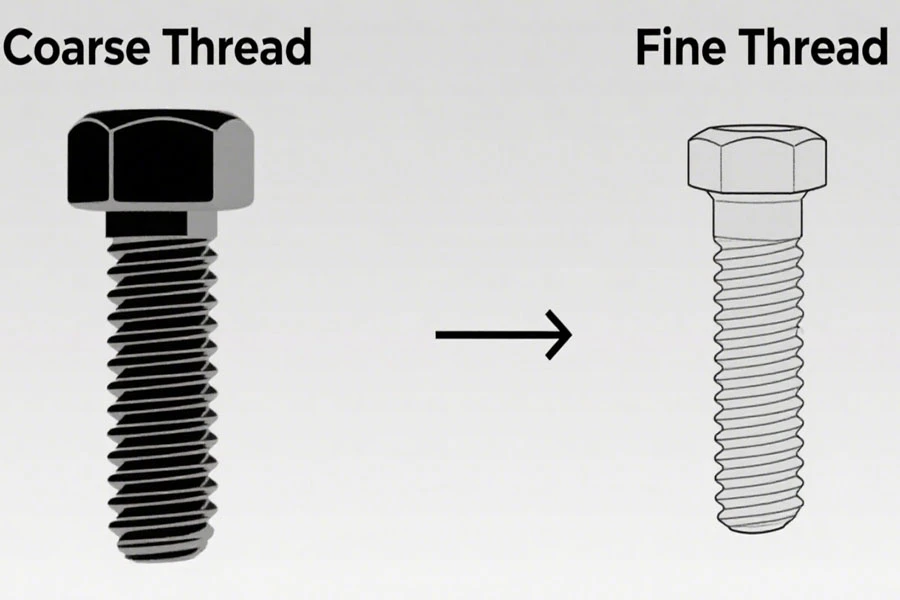
The most notable feature of coarse threads is their larger pitch, which translates to fewer threads per inch. This design offers several distinct advantages: fast installation, making them particularly suitable for mass production; a deeper thread profile, providing improved shear resistance; and relatively low material requirements, making them excellent for softer materials such as aluminum alloys and plastics.
Characteristics of Fine Threads
Fine threads, by contrast, have a smaller pitch and a higher number of threads per unit length. This structure provides unique properties: superior anti-loosening capabilities, making them particularly suitable for vibrating environments; more precise preload control; and improved adaptability to thin-walled parts due to their shallower threads.
Performance Comparison Analysis
In terms of shear resistance, coarse threads have an advantage due to their deeper thread profile. Experimental data shows that, for the same diameter, coarse threads typically offer 15-20% higher shear strength than fine threads. However, in terms of tensile strength, fine threads may have a slight advantage because their greater contact surface area distributes stress.
Another key consideration is loosening resistance. Fine threads, with their increased contact surface area, offer greater frictional resistance, allowing them to maintain a tighter connection longer in vibration environments. NASA research shows that in spacecraft vibration testing, the probability of loosening in fine-threaded connections is approximately 40% lower than in coarse-threaded connections.
Application Selection Guide
Where Coarse Threads Are Preferred
In applications such as building steel structures and heavy equipment assembly, coarse threads are a better choice. Their quick installation significantly improves construction efficiency, while their strong shear resistance ensures structural safety. The reliability of coarse threads is particularly reliable when working with softer materials or performing field repairs.
Advantages of Fine Threads
Fine threads demonstrate irreplaceable value in applications requiring extremely high anti-loosening properties, such as precision instrument manufacturing and aircraft engines. Data from the automotive industry indicates that the use of fine threads in critical engine areas reduces fastener failures due to vibration by 35%. Furthermore, fine threads are the preferred choice for applications requiring precise control, such as connecting thin-walled pipes and adjusting optical equipment.
Precautions for Use
Pay special attention to thread matching in actual applications. Industry surveys show that approximately 12% of threaded connection failures are due to coarse/fine thread mismatch. It is recommended to confirm thread specifications before use and, if necessary, use a thread gauge for inspection.
Torque control is also critical. Fine threads are more sensitive to overload, so using a calibrated torque wrench is recommended. The American Society of Mechanical Engineers (ASME) recommends that the assembly torque for fine threads is typically 15-25% lower than that for coarse threads of the same specification.
Summary and Recommendations
Multiple factors should be considered when selecting threads: from material hardness to operating environment, load type, and installation conditions. It's recommended to establish a system selection process: first, assess whether the application environment is prone to high vibration, then consider material properties, and finally, weigh installation efficiency requirements.
With advances in materials science, new thread designs are constantly emerging. Engineers are advised to stay updated on industry trends. For example, innovative designs like variable pitch threads, which have emerged in recent years, may provide better solutions for specific applications. Regardless of the thread type chosen, proper installation and maintenance are the final line of defense for ensuring a reliable connection.