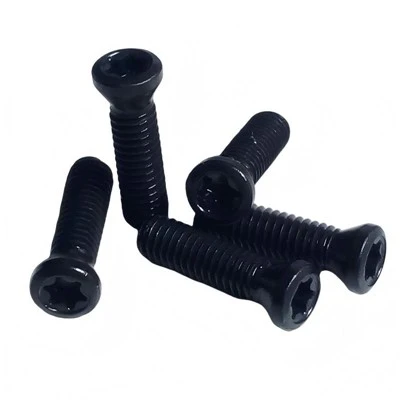
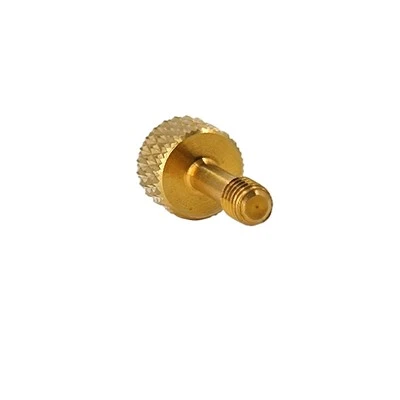
Screws are common fastening tools in our daily lives, widely used in various industries, including automobiles, construction, and home appliances.
In this article, we will briefly explain the fastening principle of screws to help you better understand how they securely fasten objects.
How do screws work?
The fastening principle of screws is simple, relying primarily on threads and torque. As the screw is rotated, friction between the threads and the surface of the object creates a clamping force, ultimately securing the two objects together.

1. The Function of Threads
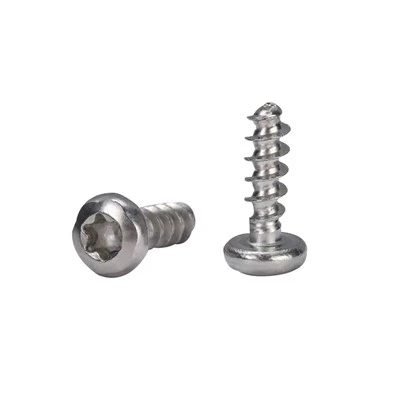
A thread is a spiral structure with beveled surfaces. As the screw rotates, the friction between the threads and the object pushes the screw into the object.
2. Torque and Clamping Force
When sufficient torque is applied, the screw generates an axial clamping force (compression). The greater this clamping force, the more secure the object. Excessive torque may result in a loose connection, while excessive torque may damage the screw or the connected component.
3. The Role of Friction
Friction between the threads plays a significant role in the tightening process of screws. Friction not only helps screws secure objects but also prevents them from loosening.
Points to Note When Tightening Screws
1. Controlling Torque
When tightening screws, controlling torque is crucial. Use a torque wrench to precisely control the tightening force.
2. Selecting the Right Screw Material
Different working environments require different screw materials.
3. Avoid Overtightening
While screws require sufficient clamping force, overtightening should be avoided. Overtightening can damage the threads and even affect the stability of the entire structure.
4. Regular Inspection
Screws may loosen over time, especially in environments with high vibration.
Practical Applications of Screws
The principle of screw tightening is widely used in various industries. Here are a few typical applications:
Automotive Industry: Components such as engines, bodies, and doors often require screws to secure them, ensuring overall vehicle stability and safety.
Construction Industry: Steel structures in buildings, bridges, and other large structures also rely on screws for connection and fastening.
Home Appliance Industry: From televisions to washing machines, home appliances contain numerous screws to ensure proper function.
I hope this article helps you understand how screws work and improve efficiency and reliability in practical applications.