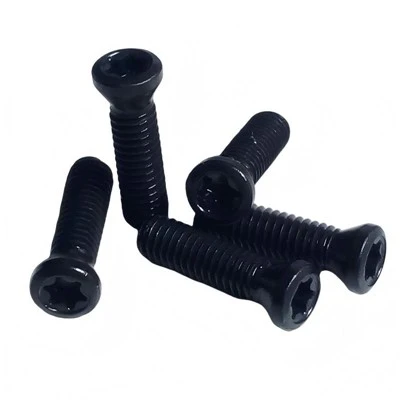
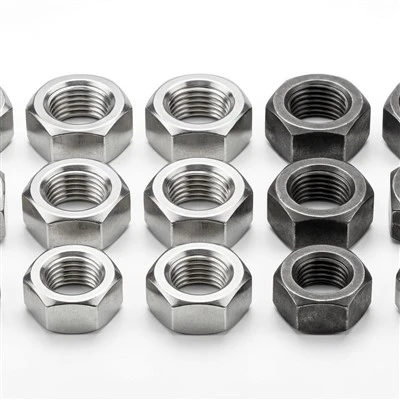
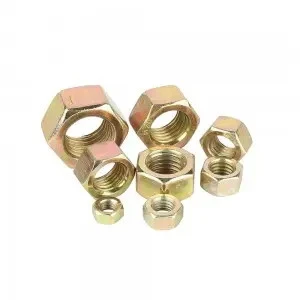
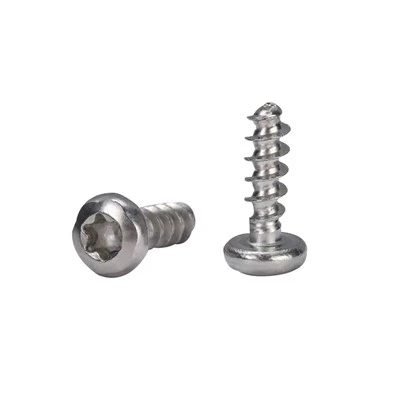
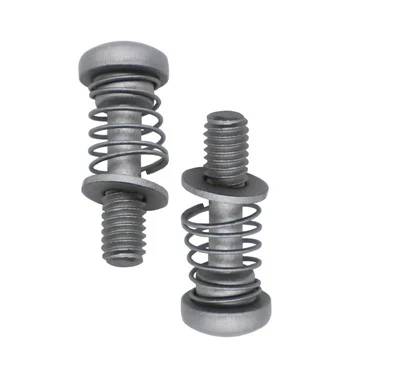
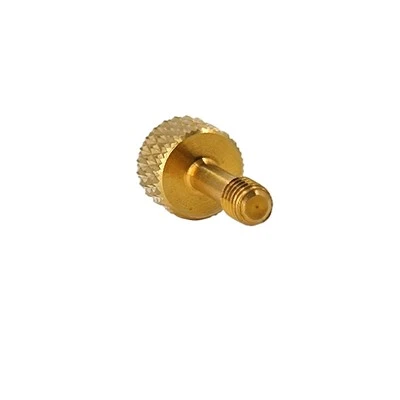
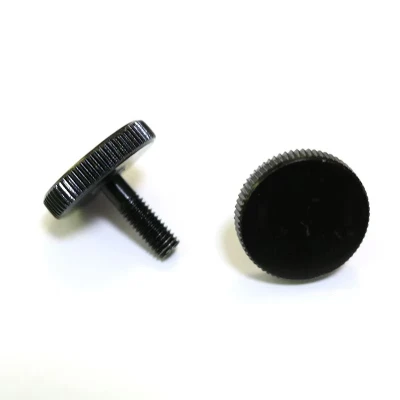
Carbon steel, aluminum, copper, and stainless steel electrophoretic black M3, M4, M5, M6, and M8 1/4-20 straight-grain, thin-head knurled thumb screws are a type of manually installed knurled screw that combines various materials, specifications, and surface treatments. The following is an introduction to their surface treatments.
1. Carbon Steel Screws
Electrophoretic Black Treatment
Process: Electrophoretic coating, which evenly adheres black epoxy resin to the surface through electrodeposition.
Advantages: Uniform black appearance, superior corrosion resistance to conventional blackening, and low cost.
Disadvantages: Low hardness, easy scratching, and potential for rust in long-term humid environments.
Applicable Applications: General indoor equipment and instruments, not subject to highly corrosive environments.
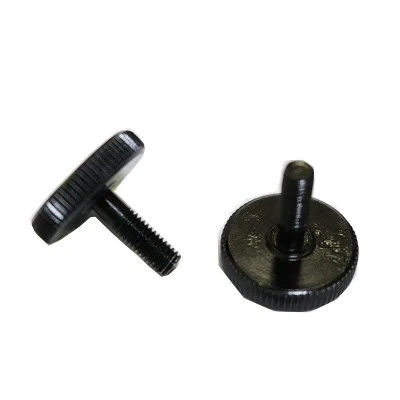
2. Aluminum Screws
Anodizing + Electrophoretic Black Treatment
Process: Anodizing first creates a porous oxide layer, followed by electrophoretic black filling.
Advantages: Lightweight, excellent corrosion resistance, and strong black adhesion.
Disadvantages: Lower mechanical strength than steel and prone to thread wear.
Applicable Applications: Aviation, electronic equipment, and other applications requiring weight reduction.
3. Copper Screws
Electrophoretic Black + Sealer
Process: Electroless nickel or zinc plating is required before electrophoresis; otherwise, the copper base coating may easily peel.
Advantages: Maintains conductivity and a unique appearance.
Disadvantages: High cost, complex process, and poor wear resistance.
Applications: Electronic grounding and decorative purposes.
4. Stainless Steel Screws
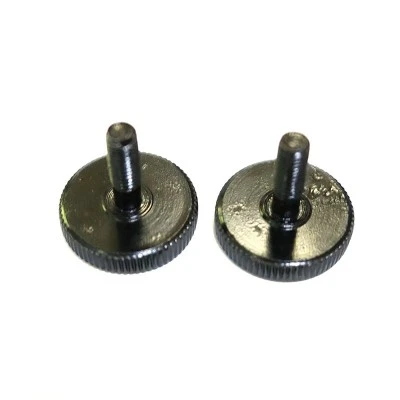
Electrophoretic Black Alternatives
Issue: The stainless steel passivation layer results in poor electrophoretic adhesion and easy peeling.
Alternatives: Vacuum Black Vacuum Deposition (PVD): Wear resistance and high color fastness, but high cost.
High-temperature oxidation blackening: Economical, but uneven color, and may reduce corrosion resistance.
Applications: Medical and food equipment, etc., requiring corrosion resistance.
General Features
Knurling Design: Straight knurling increases friction and is suitable for small manual adjustment sizes such as M3-M8 and 1/4-20.
Thin-head design: Saves space, but pay attention to thread engagement length (recommended ≥ 1.5 times the thread diameter).
Common Characteristics of Electrophoretic Black:
Thickness: Typically 15-25 μm, must cover the thread root.
Test Standard: Salt spray test (neutral NSS) ≥ 500 hours (except stainless steel).
Material Selection Recommendations: High strength: Choose carbon steel (grade 8.8 and above) with electrophoretic black.
Corrosion resistance: 316 stainless steel with PVD black plating is preferred, with anodized aluminum being a secondary choice.
Cost-sensitive: Carbon steel with electrophoretic black plating is the most economical.
The above material processing options can balance appearance, performance, and cost to meet different application requirements.