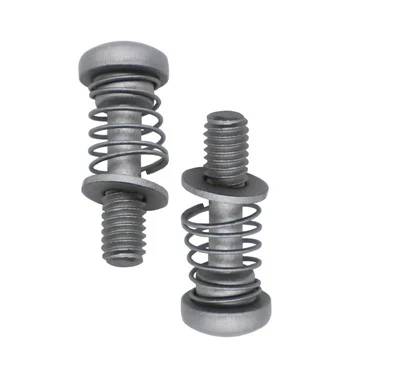
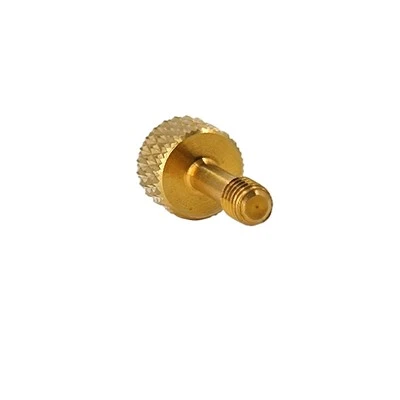
The galvanized anti-loosening flange lock nut is a specially designed fastener that combines the characteristics of anti-loosening, flange structure, and galvanized anti-corrosion. It is often used in situations that require high reliability and rust prevention. Its core function is to ensure that the fastener maintains a stable connection under vibration, impact, or dynamic load through multiple designs to prevent loosening and falling off. Its core functions can be broken down as follows.
1. Anti-loosening mechanism
Flange surface design: The flange is integrated at the bottom of the nut to increase the friction with the contact surface, disperse the axial stress, and resist rotational loosening.
Locking structure: Asymmetric threads, nylon inserts, or metal deformation grooves are usually used to generate additional resistance through elastic deformation to offset the thread slip caused by vibration.
2. Additional functions of the galvanized layer
Anti-corrosion protection: The zinc layer provides sacrificial anode protection, delays rust, and avoids thread biting or preload reduction caused by corrosion.
Improved surface hardness: The galvanized surface can slightly improve the surface wear resistance and extend the service life of repeated disassembly and assembly.
3. The synergistic effect of flanges
Pressure distribution is optimized: flanges increase contact area, reduce local pressure, and prevent the collapse of plastics, aluminum alloys,
or other soft materials.
Sealing assistance: flanges can replace gaskets in some scenarios, and cooperate with flat sealing materials to reduce leakage.
4. General scenario enhancement
Applicable to high vibration environments: common in automobiles, rail transit, engineering machinery, and other occasions that need to resist continuous vibration.
Dynamic load: suitable for equipment with frequent start and stop or impact loads, such as wind turbines and hydraulic systems.
Notes
Torque control: Standard torque must be used during installation. Over-tightening may cause nylon inserts to fail or metal threads to deform.
Temperature limit: nylon locking type is not suitable for continuous high temperatures above 120°, but the all-metal locking type can be used in more severe environments.
In summary, the galvanized anti-loosening flange locking nut is based on galvanized anti-corrosion. Through the coordinated design of the flange and the locking structure, it achieves long-term and reliable anti-loosening performance. It is suitable for mechanical connection scenarios with high requirements for safety and durability.