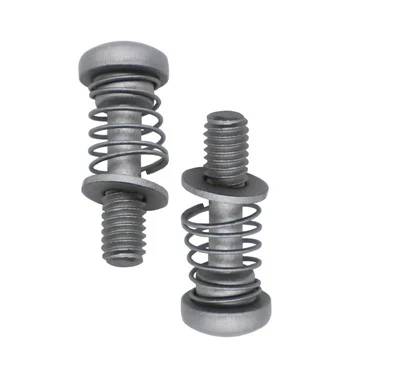
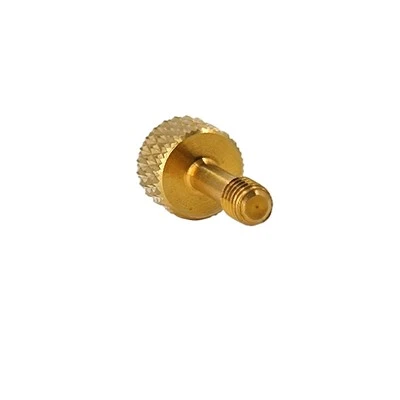
304 stainless steel butterfly screws are widely used in machinery, construction, shipbuilding, decoration and other industries. Users may be engineers, purchasers, or DIY enthusiasts, and special specifications or requirements need to be customized according to different user needs. The following is a comprehensive guide to the customization of 304 stainless steel butterfly screws (butterfly type/yuanbao type/shroud bolts and nuts), integrating industry standards, supplier capabilities and technical details.8
First is the material and surface treatment
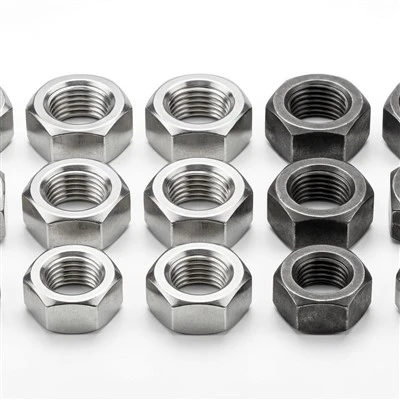
Basic material: 304 stainless steel is the mainstream choice because of its high cost-performance and good corrosion resistance. The material can also be 316 or 316L, of which 316L has stronger alkali resistance, and 201 stainless steel or carbon steel is relatively economical. Copper alloy, etc.
Surface process: natural color, nickel plating can support matte plating, bright light, black nickel, zinc plating can be blue zinc or color zinc, and passivation (the purpose is to enhance rust prevention), and some support ROHS environmental certification.

Specifications and Design
Customization of thread specifications: M4 to M12 is a common range, and some manufacturers support large sizes above M30.
Structural design
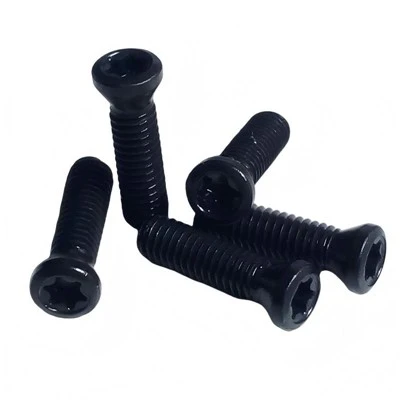
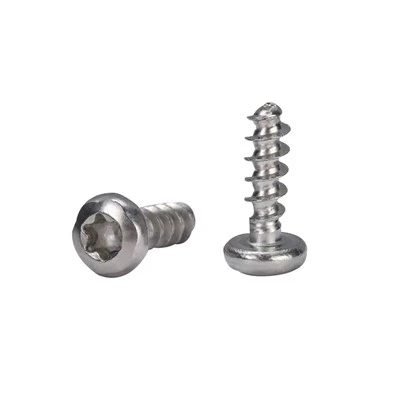
Head type can be customized: pan head, countersunk head, flange head, external hexagon head, etc..
Slot type can be customized: flat head, cross head, hexagonal head, internal hexagon, etc. (some need to be adapted to manual or electric tools}
Special needs: welded studs (for clamp fixing), extension rods, double-start threads, etc.
Special process support
Heat treatment and tempering (such as A2-70 strength grade), cold heading, anti-loosening treatment (add butterfly wing friction pattern).

Customization process and quality control
Demand communication: First, provide drawings or samples, and the content that needs to be clarified includes material, thread accuracy, tensile strength (≥700MPa), and related salt spray test requirements.
Production and testing process: wire cutting → stamping → thread processing → surface treatment → Quality inspection;
Quality inspection items: dimensional tolerance (caliper measurement), thread gauge test, salt spray machine corrosion resistance verification.
Delivery and after-sales
Use plastic bags or paper boxes for packaging, because they are scratch-resistant and support labeling.
Application scenarios and customization suggestions
If used in a heavily corrosive environment, such as the shipbuilding and chemical industries, 316L material + plating passivation is recommended.

If frequent manual operation is required, optimize the thickness of the butterfly wing to prevent deformation, and add knurling anti-slip patterns.
Decorative requirements: choose natural color shock finish or chrome polishing, which takes into account both beauty and rust prevention.
Risk avoidance suggestions
To ensure the authenticity of the material, the manufacturer needs to provide a material report (304 needs to contain Ni ≥ 8%, Cr≥18%). Next is the sample verification stage. It is best to test the samples before the first batch of orders. The test standards are usually these three: whether the product size is standard, whether the anti-rust force is normal, and whether the torque is confirmed to be OK.

Contract terms: clarify the responsibility for delivery delays, among which the products of small and medium-sized factories may fluctuate greatly in terms of production capacity stability
Directly providing drawings or physical samples during customization can reduce communication errors and give priority to manufacturers with salt spray testing capabilities to ensure long-term anti-rust.