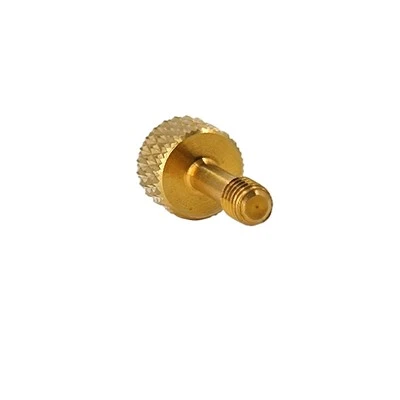
The following is a guide to the customization of non-standard aluminum parts.
1. Clear core requirements
Material requirements: Aluminum alloy grades include 6061 with strong versatility, 7075 with high strength, and others.
State: T6 defaults to heat treatment or others.
Special requirements: It can be customized to enhance corrosion resistance, conductivity, etc., but it needs to be clearly annotated.

Key dimensions and tolerances
Total height/diameter: ±0.1mm belongs to the conventional tolerance range, and ±0.02mm belongs to the precision tolerance range.
Number of steps and size of each step: A cross-section or list of data is required.
Geometric tolerances, such as concentricity and verticality requirements.
Process selection
CNC machining: suitable for complex steps, high-precision manufacturing, and high manufacturing costs.
Casting + finishing: suitable for large quantities, but because molds need to be opened, the initial cost is very high.
Surface treatment: optional anodized colors, sandblasting, electroplating, etc.
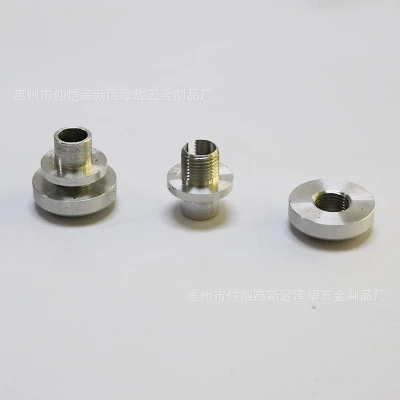
2. Design optimization suggestions
Weight reduction design: non-load-bearing parts can be hollowed out or thinned.
Stress concentration: Chamfering is recommended at the step transition.
Compatibility: if it is to be assembled with other parts, an interface drawing is required.
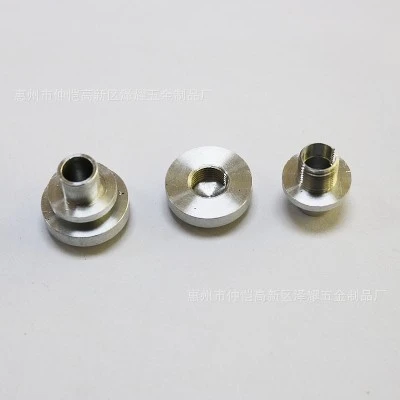
3. Common problem avoidance
Material waste: Reduce material waste by optimizing the nesting scheme.
Assembly interference: It is recommended to provide a 3D model for pre-installation verification.
Surface defects: When slight scratches are allowed, the acceptance criteria must be clearly defined.