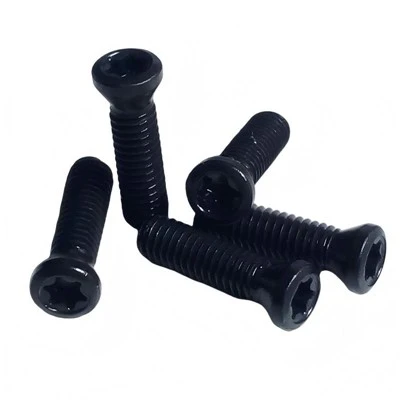
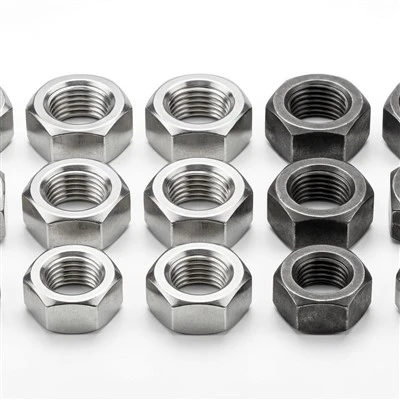
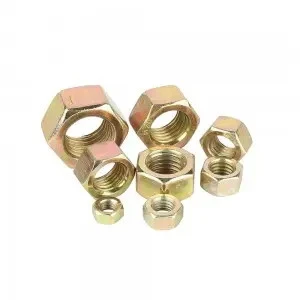
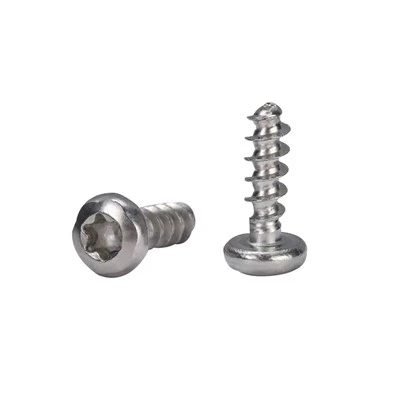
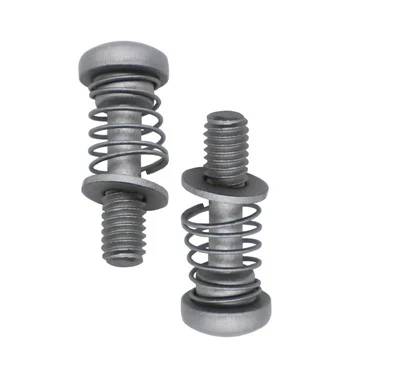
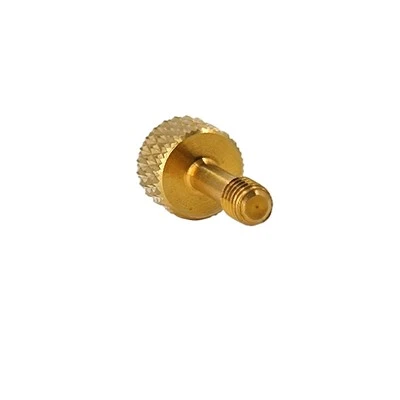
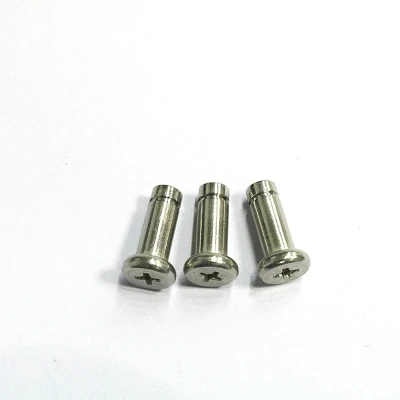
Stainless steel 304 cross flat head slotted pin is a multi-purpose fastener, usually used for mechanical positioning, axial fixation, or with a retaining ring to achieve anti-drop function. The stainless steel 304 cross flat head slotted pin is a precision mechanical connector. The following is an introduction to its core functions.
1. Core functions
Positioning and fixing
Axial positioning: The relative position between the parts is accurately fixed through the interference/transition fit between the cylindrical surface of the pin and the matching hole to prevent radial displacement.
Shear resistance: The high strength of 304 stainless steel can withstand lateral loads and is suitable for vibration environments.
Quick assembly and disassembly
Cross groove design: The cross groove on the top of the flat head supports quick installation or disassembly without special tools, improving maintenance efficiency.
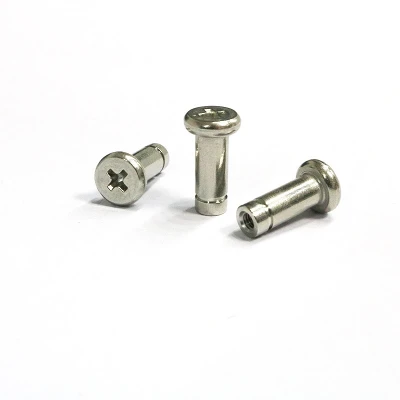
Axial limit: The flat head structure can fit the surface to avoid protruding and interfering with other parts.
Anti-loosening and safety
Slot locking: The through groove or threaded groove can be used with elastic pins and retaining rings to prevent axial movement and replace some bolt functions.
Anti-corrosion and durability: The acid and alkali resistance and oxidation resistance of 304 stainless steel extend the service life.
2. Key design features
Material properties: 304 stainless steel provides a hardness of HRB ≤ 90, balancing strength and toughness.
Tolerance control: The diameter tolerance is often processed according to h9 or m6 level to ensure the tightness of the hole fit.
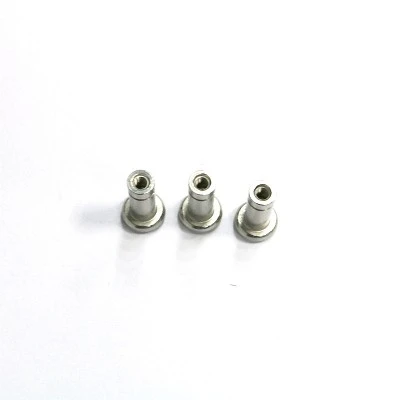
Slot optimization: The cross groove depth is usually 1/4~1/3 of the pin diameter, taking into account the tool bite force and structural strength.
3. Typical application scenarios
Automation equipment: Modular positioning of assembly line guides.
Medical equipment: Joint connectors that can be frequently disinfected.
Outdoor facilities: Guardrail hinge pins with high weather resistance requirements.
4. Selection considerations
Load matching: Dynamic loads require shear strength verification.
Fit selection: Interference fit is used for high-precision positioning, and transition fit is easy to disassemble.
Surface treatment: Electrolytic polishing can further improve corrosion resistance.
This type of pin achieves a balance between high-precision positioning, convenient maintenance, and environmental adaptability through the combination of structural design and material properties, and is an efficient solution in mechanical transmission and connection.