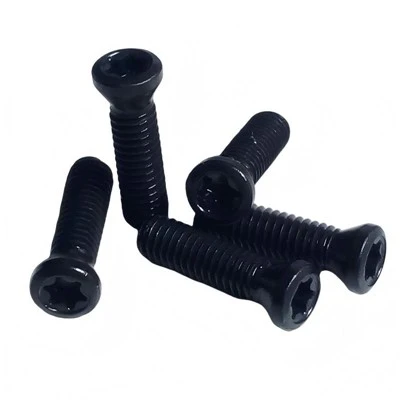
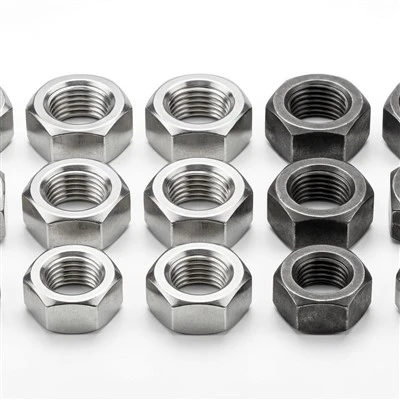
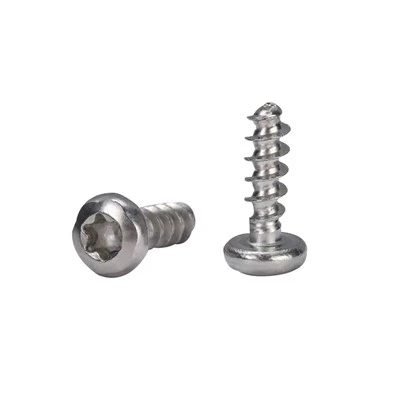
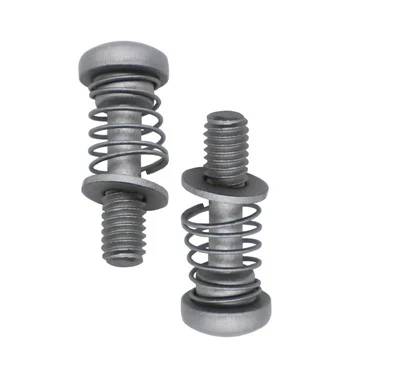
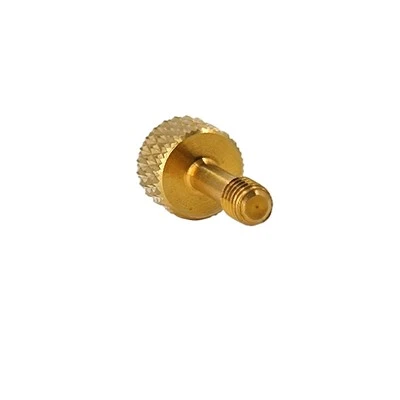
As a high-strength fastener, the core functions of 12.9-grade CNC tool screws revolve around high precision, high strength, and high stability, and are designed for the harsh working conditions of CNC machine tool tool systems. The following is a detailed analysis of its core functions.
1. Ultra-high strength bearing
Material and heat treatment: Alloy steel is used and quenched + tempered to ensure that no fracture or plastic deformation occurs under high-speed cutting and vibration loads.
12.9-grade calibration: The screw performance level is 12.9, which is far superior to ordinary 8.8-grade screws and can withstand the extreme torque and impact of CNC machine tools.
2. Precision positioning and repeated clamping
Micron-level tolerance: The thread cooperates with the tool clamping system to achieve repeated positioning accuracy within ±0.01mm, avoiding processing errors caused by tool offset.

Anti-loosening design: Some models use fine-pitch threads or eccentric flange surfaces to suppress loosening by increasing the friction of the contact surface to adapt to the inertial impact of high-speed start and stop of the spindle.
3. Anti-fatigue and corrosion resistance
Surface treatment: zinc-nickel alloy, Dacromet coating or oxidation blackening treatment, salt spray test for more than 500 hours, to prevent strength attenuation caused by corrosion of coolant and cutting oil.
Stress dispersion structure: arc groove design is adopted at the transition of the screw to reduce stress concentration, and fatigue life is increased by 3-5 times compared with ordinary screws.
4. Thermal stability
High temperature resistance: working temperature range -50℃ to +150℃, keep the clamping force stable at high temperature, and avoid the decrease of preload force due to heating of the machine tool spindle.
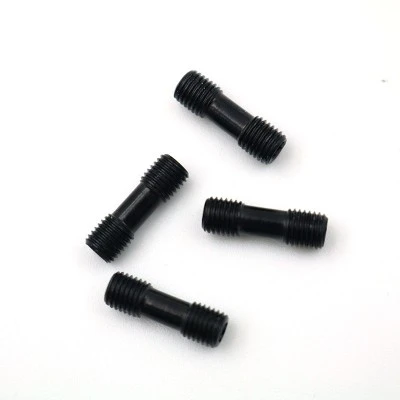
5. Quick disassembly and compatibility
Standardized interface: the hexagonal head design matches the automatic tool changing system of the CNC tool library, supports fast grabbing of the manipulator, and the tool changing time can be controlled within 1 second.
6. Application scenario comparison
High-speed milling: ordinary screw threads are easy to slip and break; 12.9-grade CNC screws with high-strength material and fine thread resistance to centrifugal force.
Heavy-duty cutting: Insufficient clamping force of ordinary screws causes tool vibration, and the high preload force of 12.9-level CNC screws combined with anti-loosening design maintains stability.
Wet machining environment: Rust of ordinary screws causes torque attenuation, and the coating protection of 12.9-level CNC screws extends service life.
The core function of 12.9-level CNC tool screws is to maintain the rigidity of the tool system under dynamic loads through the combination of material science, precision manufacturing and structural design. Its value is directly related to the quality, consistency, efficiency, and safety of CNC machining.