Although fasteners are small components, they play a critical role in machinery, construction, automotive systems, and electronic equipment. They are not only responsible for connecting and fixing parts together, but also directly affect structural stability, safety, and service life.
A single incorrect screw or nut can lead to the failure of an entire system.
That is why understanding fastener types, specifications, materials, and surface treatments is essential knowledge for engineers, designers, and procurement professionals.
In this guide, Zeyao, a Chinese fastener manufacturer with 19 years of production experience, will walk you through a comprehensive overview of hardware fasteners.
Main Types of Fasteners
Fasteners mainly include screws, bolts, nuts, washers, and rivets. Each type serves a different function and application.
Screws
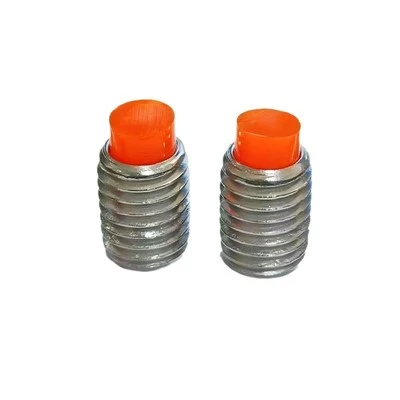
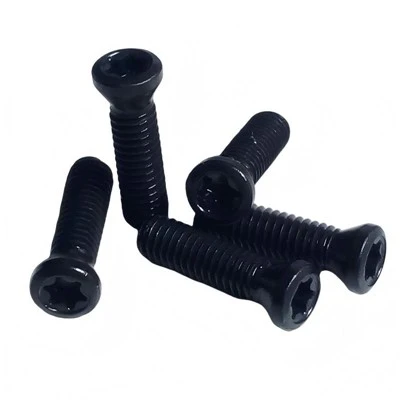
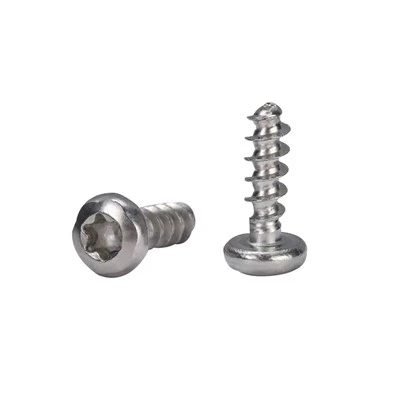
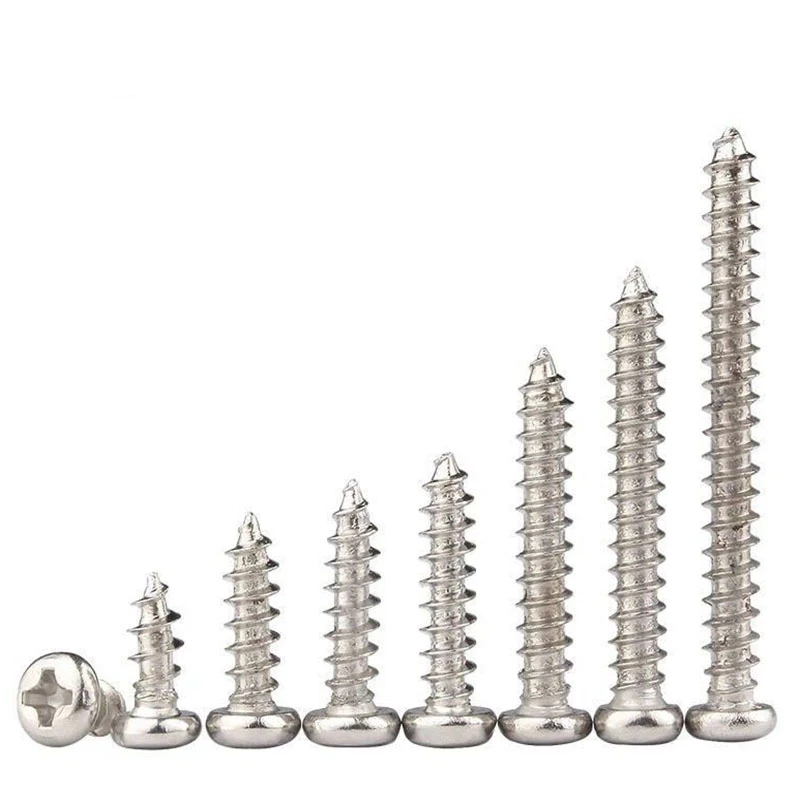
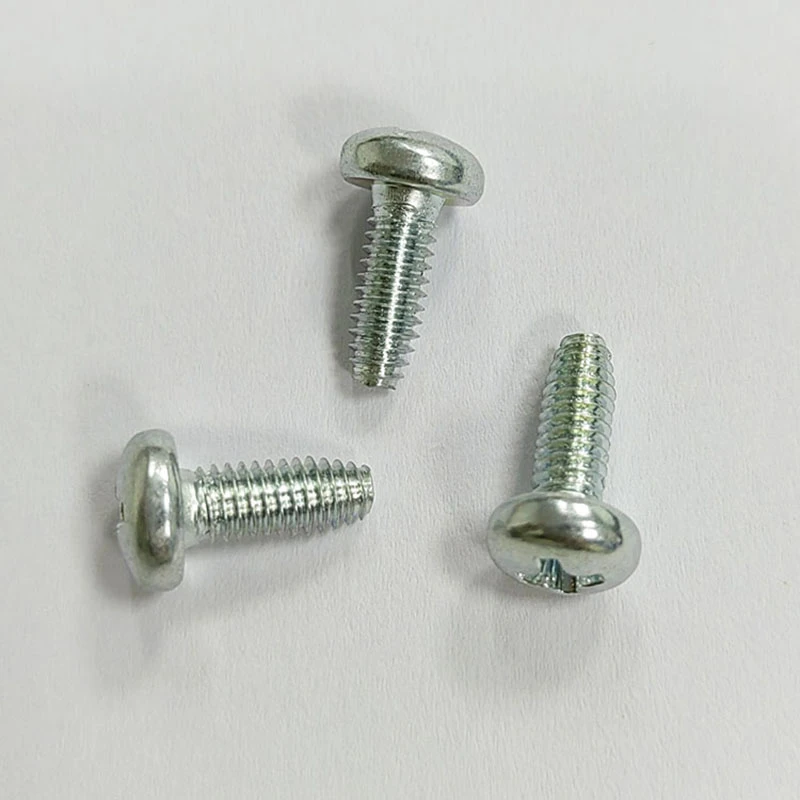
Screws are commonly used to fasten two or more parts together. They can be driven directly into threaded holes or used with nuts. Screws are widely used in electronic housings, furniture, and light mechanical assemblies.
Bolts
Bolts are used together with nuts and are suitable for load-bearing structural connections. They are commonly found in machine frames, automotive chassis, and bridge structures.
When selecting bolts, in addition to length and diameter, the strength grade (such as 8.8 or 10.9) must be considered to ensure the required load capacity is met.
Nuts
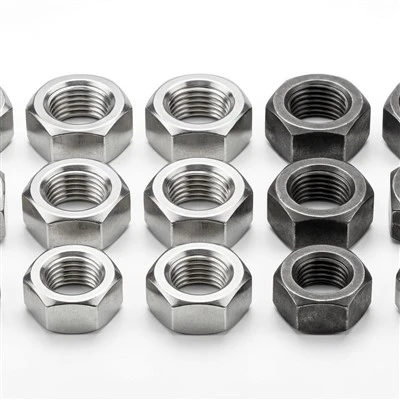
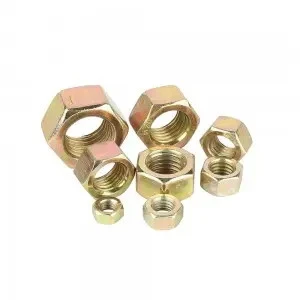
Nuts work together with bolts to form a complete fastening system and provide the required preload force. They are widely used in machinery assembly, mold fixing, and automotive components.
Material compatibility should be considered to prevent corrosion caused by contact between dissimilar metals.
Washers
Washers are mainly used to distribute pressure, protect material surfaces, and improve fastening stability. They are commonly applied in automotive engines, mechanical equipment, and electronic assemblies.
Rivets
Rivets are used for permanent fastening and are suitable for structures that are not intended to be disassembled, such as aircraft components, vehicle bodies, and metal enclosures.
When selecting rivets, the length should match the thickness of the materials being joined. In general, the rivet length should be 1.5 to 2 times the total material thickness to ensure secure fastening.
Tip: Always start by defining the application. Then consider load requirements, assembly frequency, and environmental conditions to ensure safe and accurate fastener selection.
|
|
|
Dimensions and Thread Selection
Fastener diameter, length, thread type, and pitch directly determine load capacity and assembly compatibility.
Diameter: Larger diameters provide higher tensile and shear strength. For example, M6 bolts are suitable for light to medium loads, while M20 bolts are used for heavy machinery and structural applications.
Length: The length must cover the combined thickness of the connected parts and allow sufficient thread engagement. Incorrect length can lead to weak fastening or interference with surrounding components.
Thread Type and Pitch:
Fine threads are suitable for high-precision assemblies and vibration environments.
Coarse threads are better for fast installation or softer materials such as wood.
Metric threads (M series) and imperial threads (UNC/UNF) are the most commonly used standards.
Strength Grade:
Grade 4.8 is suitable for light loads.
Grade 8.8 is widely used for medium-to-high strength applications.
Grades 10.9 and 12.9 are designed for critical, high-load components.
Materials and Performance
The material of a fastener determines its strength, wear resistance, corrosion resistance, and service life.
Carbon Steel: Low cost, moderate hardness, suitable for indoor or dry environments.
Stainless Steel (304 / 316): Excellent corrosion resistance, ideal for humid, outdoor, or chemical environments.
Alloy Steel: High strength and wear resistance, suitable for heavy-load structural applications.
Aluminum Alloy / Copper: Lightweight and corrosion-resistant but with limited load capacity, commonly used in electronics and light mechanical equipment.
Selection Tip:
For critical structural or high-load applications, prioritize high-strength alloy steel or premium stainless steel.
For corrosive or marine environments, 316 stainless steel or coated steel is recommended.
Surface Treatment and Corrosion Protection
Surface treatment not only improves appearance but also enhances corrosion resistance and extends service life.
Zinc Plating: Suitable for indoor machinery, furniture, and light industrial use.
Hot-Dip Galvanizing: Ideal for outdoor, bridge, and coastal environments.
Black Oxide: Provides light corrosion resistance and increased friction, commonly used in indoor machinery.
Nickel / Chrome Plating: Combines corrosion resistance with a decorative finish, often used in high-end equipment.
Special Specifications and Customization Options
Non-standard Sizes: Designed for space-limited or special load requirements.
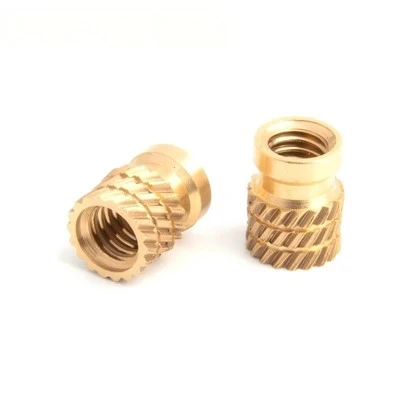
Special Head Types: Knurled heads, flange heads, triangle heads, hex socket heads-optimized for specific tools or improved clamping force.
OEM / ODM Customization: Custom threads, materials, markings, and packaging to meet project-specific requirements.
These customization options are especially important for high-temperature, high-load, or highly corrosive environments such as aerospace, automotive, and new energy equipment.
Selection and Purchasing Recommendations
When purchasing fasteners, specifications alone are not enough. Real operating conditions and long-term performance must be considered.
First, clearly define the application. Load-bearing structures require careful attention to tensile and shear strength, while components requiring frequent assembly benefit from high thread precision and wear resistance. Environmental factors such as temperature, vibration, and humidity must also be considered.
Second, ensure proper size and thread matching. The diameter and length must correspond to the material thickness, providing sufficient clamping force without interference. Fine threads are better for vibration resistance, while coarse threads are more suitable for fast assembly and softer materials.
Material and surface treatment directly affect service life and safety. Carbon steel is suitable for indoor use, stainless steel-especially 316-is recommended for corrosive environments, and hot-dip galvanizing is often the most durable option for long-term outdoor exposure.
Finally, reference international standards such as ISO, DIN, GB, and ASTM to ensure dimensions, tolerances, and strength grades meet industry requirements.
Quality Inspection and Safety Standards
High-quality fasteners must undergo standardized testing to ensure safety and reliability in real-world applications.
Tensile Testing: Verifies load-bearing capacity and is critical for structural fasteners.
Thread Accuracy Inspection: Ensures smooth assembly and prevents thread damage or uneven preload.
Coating Thickness and Corrosion Testing: Evaluates the durability of zinc or other surface treatments, especially for outdoor or humid environments.
Hardness Testing: Confirms wear resistance and overall strength, ensuring fasteners resist deformation or failure under long-term stress.
In procurement, choosing manufacturers certified under ISO, DIN, or ASTM systems helps ensure stable quality, batch consistency, and reduced risk.
Conclusion
Fasteners come in many types and specifications, and correct selection is essential for structural safety and long-term performance. A professional supplier not only provides standardized products, but also offers customized solutions and technical support.
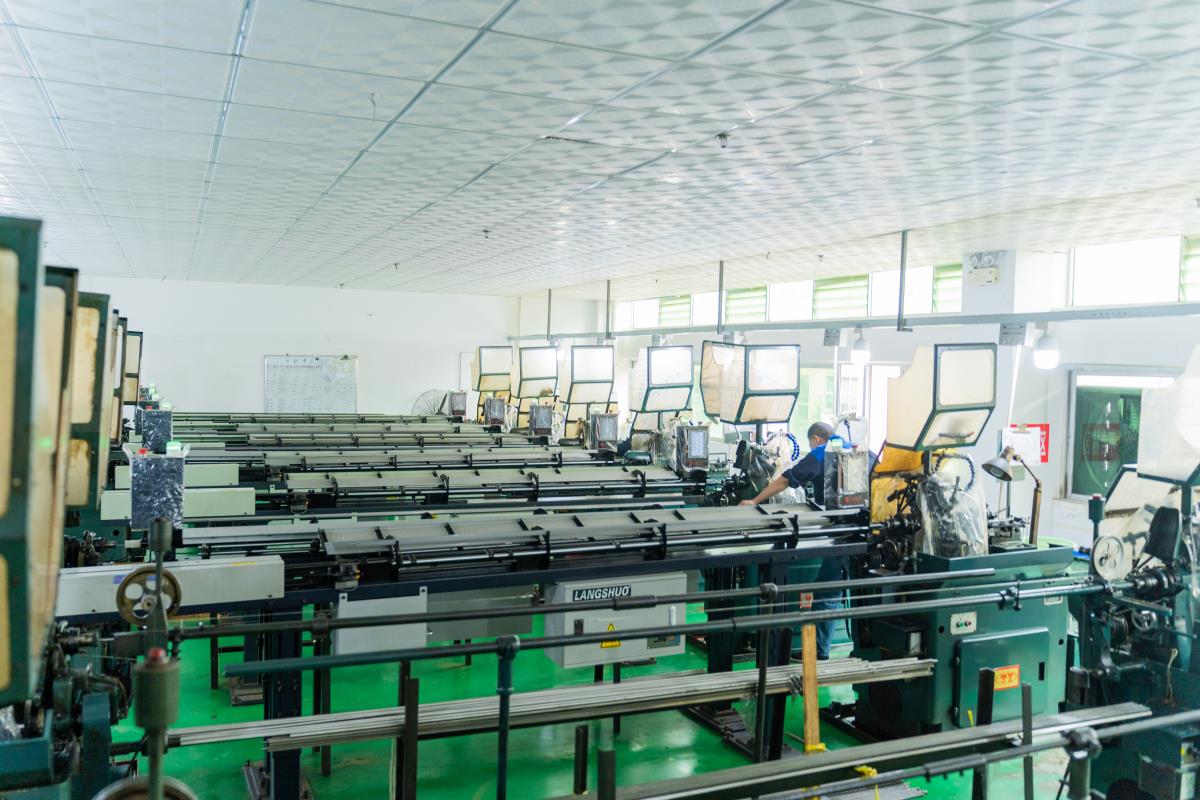
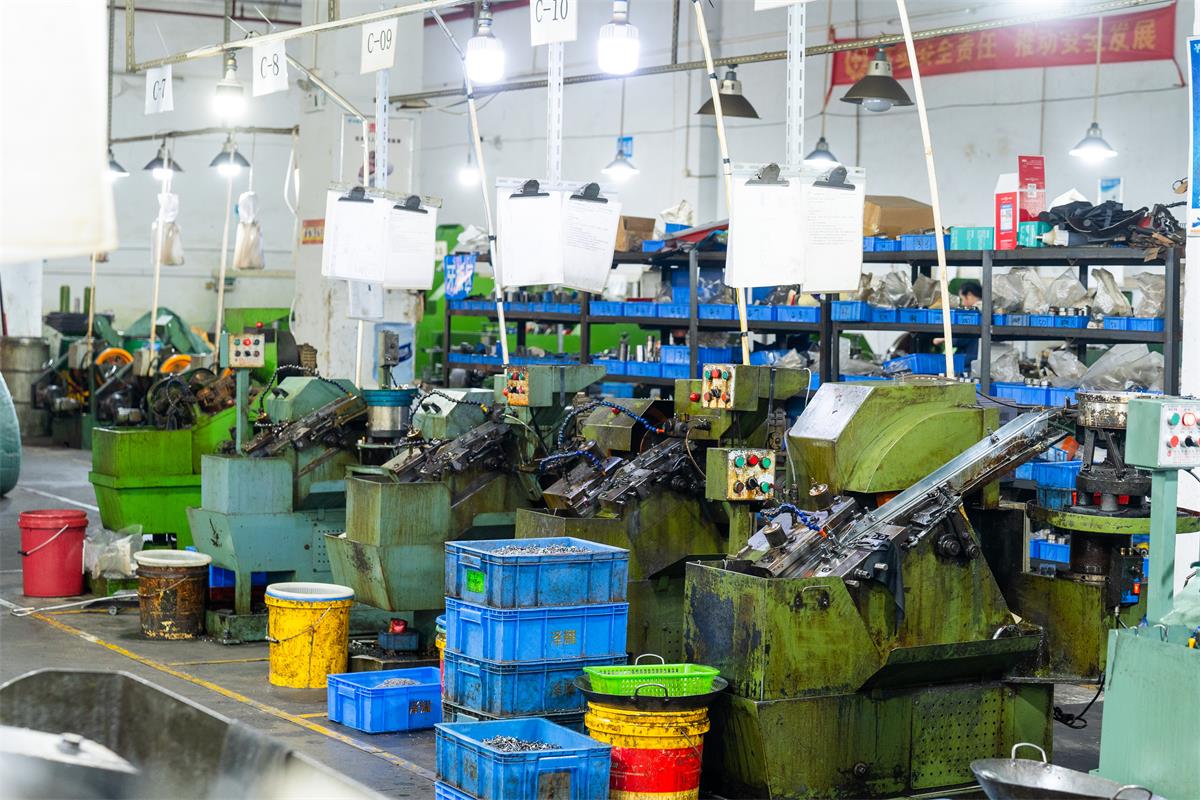
Zeyao Fastener, with 19 years of manufacturing experience, over 160 production machines, and a monthly output exceeding 10 million pieces, supports full OEM / ODM customization.
Whether for high-precision machinery, construction structures, or large-volume procurement, Zeyao delivers stable, high-quality fasteners and professional technical support to ensure every project runs smoothly.