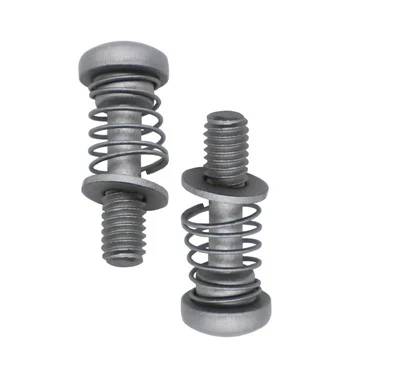
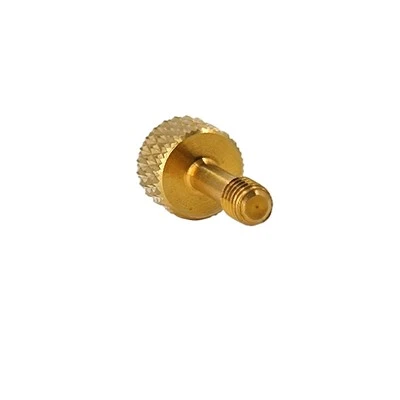
Introduction of Nuts
Nuts are common fastener. They're used with screws and bolts in different applications. Because of its widely use, the demand for nuts is huge. However, with different types , even experienced mechanics might not recognize every specialized nut out there.
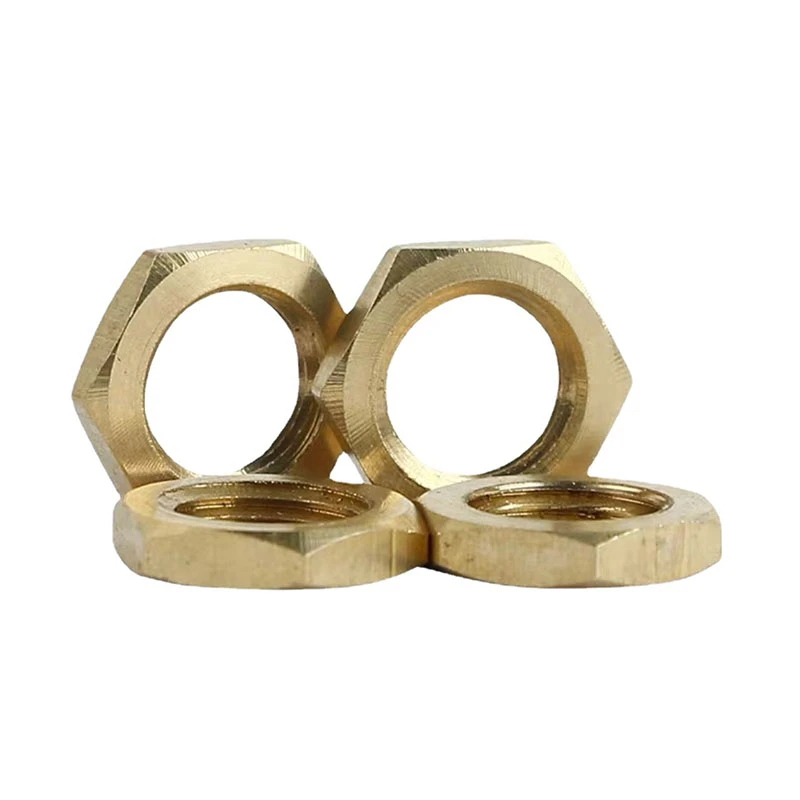
1. Hex Nut
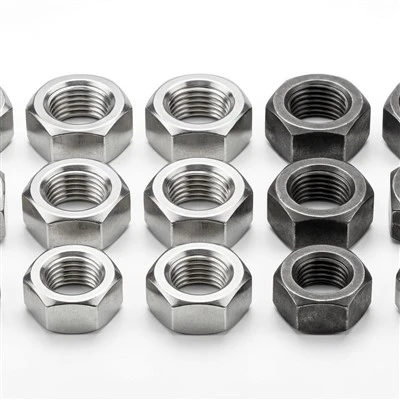
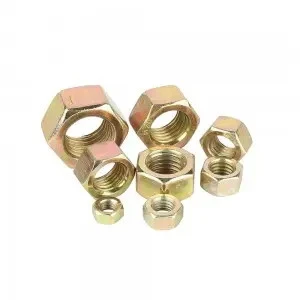
A hex nut is a hex fastener designed to work with bolts or screws.Hex nuts are divided into three main types based on their thickness: Type I, Type II, and thin Type. For high-strength use (Grade 8 or above), Type I nuts are further classified into Grades A, B, and C.
Application:
Grades A & B: Used in precision machinery and equipment where a smooth finish is important.
Grade C: used for rough surfaces or less critical applications.
Type II Hex Nuts: Thicker than standard nuts, ideal for parts that need frequent assembly and disassembly.
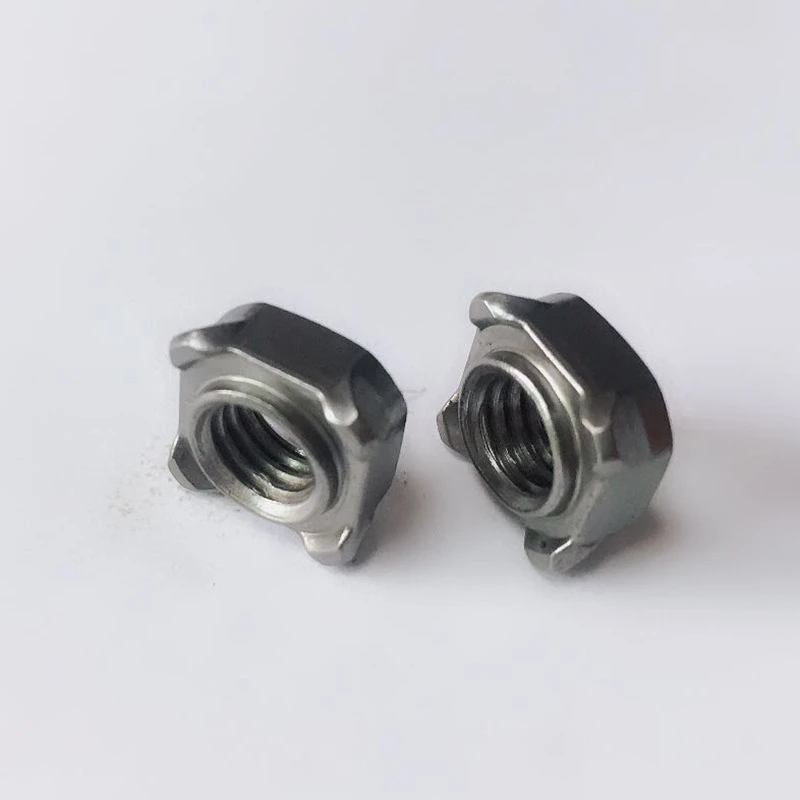
2. Square Nut
Also called a four-sided nut, this type is often welded between two components for a strong, permanent hold.
Application:
Provides a sturdy, vibration-resistant connection.
Applied in construction, furniture assembly, and other heavy-duty requirements.
3. Flange Nut
This nut has a built-in washer with anti-loose serration under the flange, Providing better anti-loosening performance than a standard nut and washer combo.
Application:
Great for pipe fittings and situations requiring a wider contact surface.
Provide a tight, durable seal under high pressure and heat.

4. Nylon Nut
Made from stronge plastic such as NylonPA66, these nuts are lightweight, non-conductive, and resistant to heat, corrosion, and chemicals.
Application:
Perfect for electrical and telecom applications (no interference with signals).Works well in harsh environments where metal nuts would corrode.

5. Lock Nut
A lightweight, single-spring nut often used as a secondary fastener to prevent loosening.
There are different lock nuts, such as nylon insert lock nut, metal insert lock nut, torque thread lock nut.
Application:
Not for heavy loads-used mainly to keep primary nuts in secure condition.
Commonly used in aerospace: first tighten a standard nut, then hand-tighten the lock nut before giving it a final 60°–90° turn with a wrench.

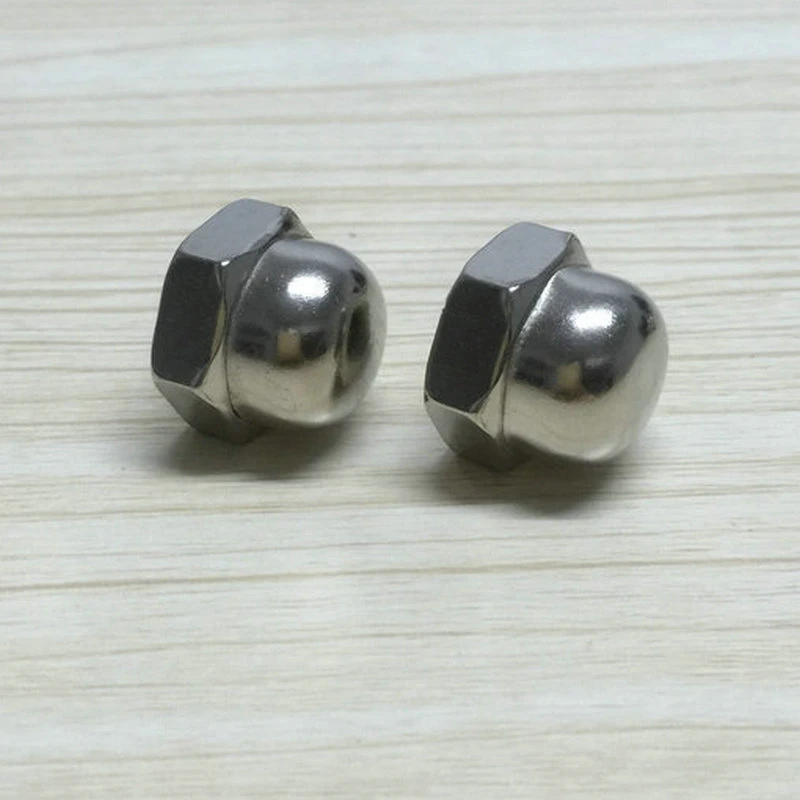
6. Cap Nut
A hex nut with a domed top to protect threads from moisture and damage. Some cap nuts have self-locking threads to resist vibration loosening.
Application:
Used on car axles, outdoor light fixtures, and machinery exposed to weather.Requires an open-end wrench or specialty socket for installation.
7. Slotted Nut
A hex nut with slots on top, designed to work with a cotter pin for extra security.
Application:
Keeps vehicle wheel bearings in place.
Also used in machinery to secure gears, bearings, and couplings.
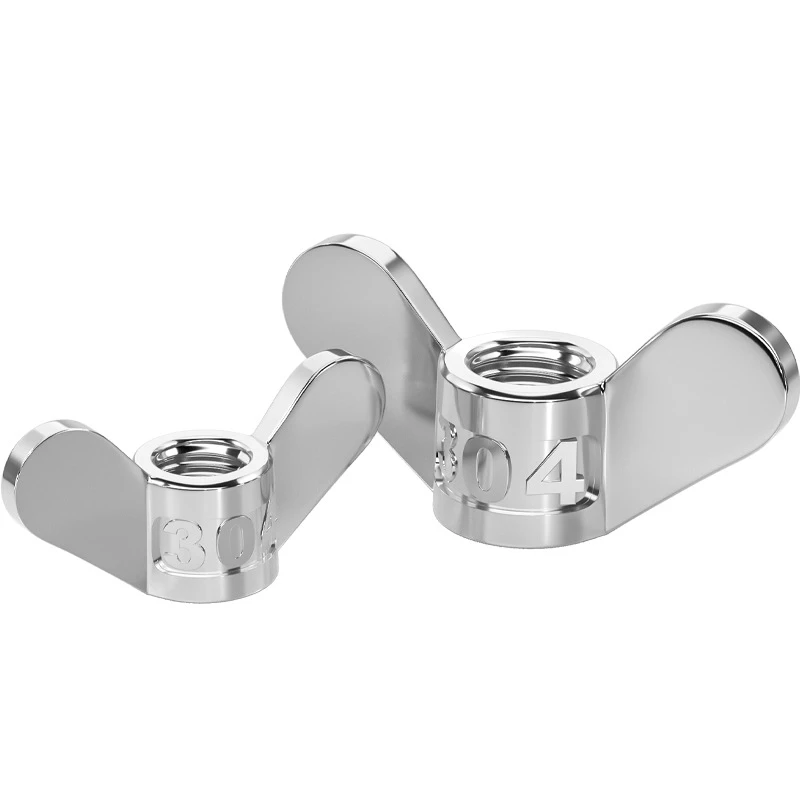
8. Wing Nut
Easily recognizable by its "wings," this nut can be tightened by hand-no tools needed.
Application:
Great for equipment that's frequently adjusted, like medical devices, industrial machines, and aerospace components.
9. T-Nut
A T-shaped nut that locks in place to prevent spinning during assembly.
Application:
Often used in T-slots on milling machines for easy positioning.
10. Spring Nut
Made from spring steel, this nut stays secure even under vibration, shock, or temperature changes.
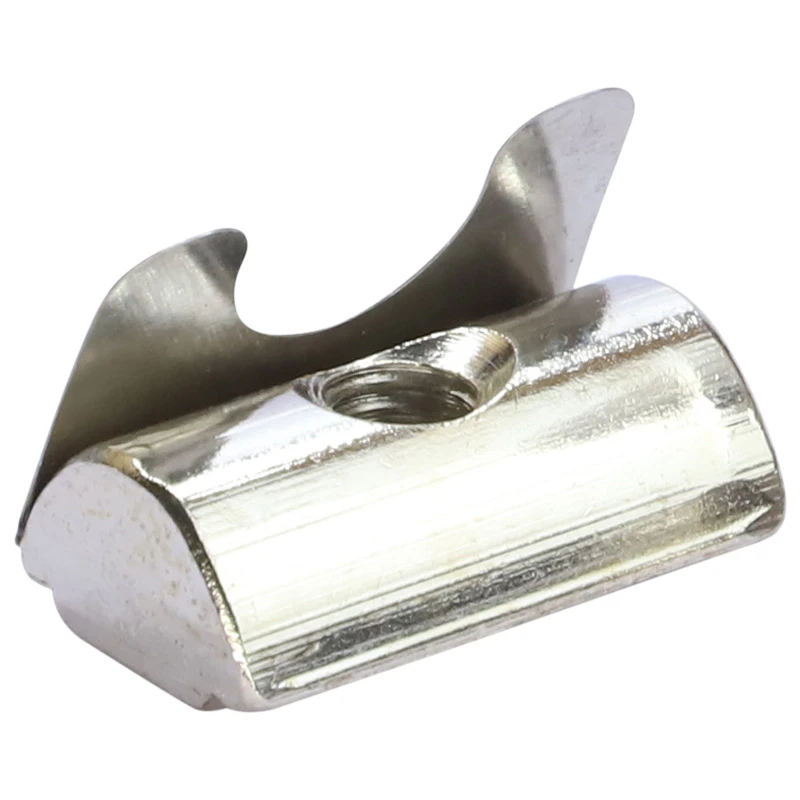
Application:
Reliable for high-stress applications across multiple industries.
Each nut type has its own strengths depending on the job. Choosing the right one which will fit the needs of your project-whether it's strength, corrosion resistance, or ease of use. Knowing these options will help you to choose the right nuts for your projects.