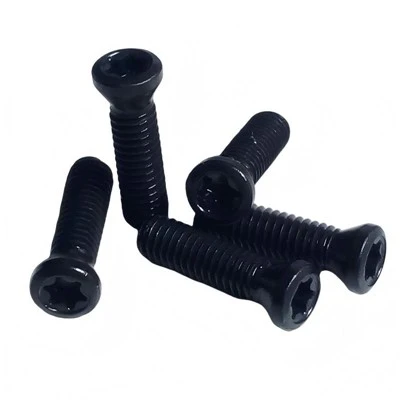
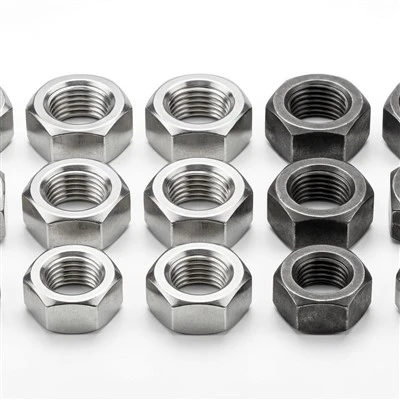
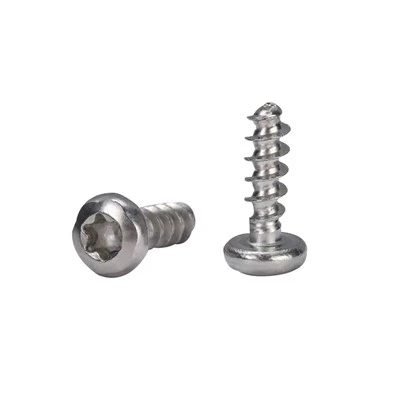
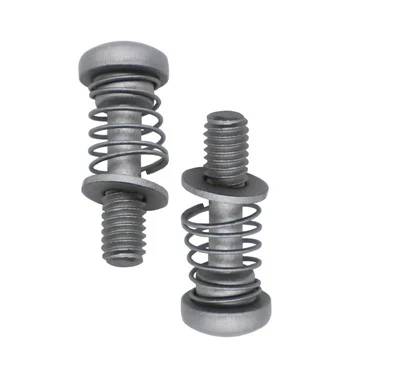
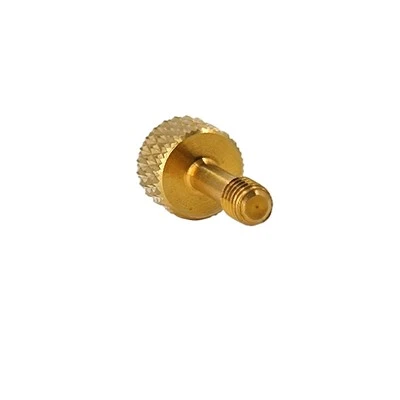
Nuts are an indispensable fastener, mainly used in conjunction with bolts or screws to achieve a fastening connection between two or more parts and ensure the integrity and stability of the equipment. The following are the main functions of nuts:
Fastening connection
Nuts are used in conjunction with bolts or screws to tightly connect two or more parts together by tightening and fixing. This connection method is widely used in machinery, equipment, vehicles and other fields to ensure the integrity and stability of the equipment.
Adjusting and fixing position
Nuts can also be used to adjust the position of certain parts in the equipment. For example, in mechanical equipment, by adjusting the position of the nut, the parameters such as the running clearance and working distance of the equipment can be adjusted to meet the needs of production or work.
Withstand pressure and torque
Nuts also play an important role in withstanding pressure and torque. In some equipment or structures that need to withstand large loads, such as cars and machines, nuts can disperse and transmit these pressures and torques to ensure the normal operation of the equipment.
Application in electrical and electronic equipment
In the assembly of electrical and electronic equipment, nuts are used to fix electronic components to ensure the electrical connection and normal operation of the equipment. In addition, due to their good conductivity, nuts are also often used to tighten electrical connection points to ensure stable and safe current transmission.